
A Beginner’s Guide To Martial Arts & Weight Loss
A question I hear frequently is, “will martial arts help me lose weight?” Martial arts have been around for thousands of years and have evolved into diverse practices that can be used for self-defense, fitness, and personal growth. With the growing emphasis on health and wellness, many people are now turning to martial arts to lose weight and improve their overall fitness. This article will explore the pros and cons of using martial arts for weight loss and the principles most effective for burning calories and shedding pounds.

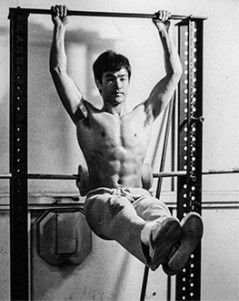
Today, martial arts are synonymous with good health and fitness in most people’s minds, and this is in no small part due to the impact that people like Bruce Lee have had on the world of martial arts and fitness. Bruce Lee was a legendary martial artist known for his famous quote, “Be water, my friend.”
More than 50 years after his death, he is still widely considered to be one of the most influential figures in the history of martial arts. His incredible build and persona have inspired many people to pursue martial arts to improve their health and fitness.
Thank’s to Lee’s amazing physique, it’s no wonder so many people pursue martial arts to help lose weight.
Can Martial Arts Help You Lose Weight?
The short answer to this question is yes; martial arts can help you lose weight. Many styles involve high-intensity cardio and strength training, which can result in significant calorie burn and weight loss. However, it is important to remember that weight loss is not the only goal of martial arts training. Many people also practice martial arts for self-defense, mindfulness, and personal growth.
When it comes to weight loss, it’s important to understand that the underlying principle is simple: you have to be in a calorie deficit to lose weight. This means you need to consume fewer calories than your body is burning. While there are many different approaches to weight loss, this basic truth remains the same.
The Power of Martial Arts in Supporting Weight Loss Efforts

Martial arts, like other forms of exercise, can support your weight loss efforts in two key ways:
- helps provide stimulus to maintain muscle mass during a calorie deficit
- helps create or increase a deficit by burning extra calories
First, exercise like martial arts helps to provide a stimulus to maintain muscle mass during a calorie deficit. When you’re in a calorie deficit, your body tends to break down muscle tissue to use it for energy.
In his article “How to Lose Fat Without Losing Muscle,” Chris Masterjohn writes,
“But if you choose to lose weight, you have to focus on losing fat, not muscle.
Unfortunately, the average person who cuts calories to lose weight will lose between 40% and two-thirds of that weight as lean mass. This ratio is HORRIBLE.
There is no need whatsoever to lose as much or more muscle as fat, and this shows you that standard calorie-cutting is a tremendously bad way to lose weight.”
Losing lean tissue can be a problem because muscle tissue is a key contributor to your metabolism, meaning that the more muscle you have, the more calories your body burns at rest. Additionally, not all lean tissue is muscle; this includes organ tissue and bone mass as well.
Again, quoting from Chris Masterjohn’s article:
There is no need whatsoever to lose as much or more muscle as fat, and this shows you that standard calorie-cutting is a tremendously bad way to lose weight.
There is no need whatsoever to lose as much or more muscle as fat, and this shows you that standard calorie-cutting is a tremendously bad way to lose weight.
So how do we preserve lean mass when losing weight?
Exercise more, do not eat less. Rather, get your total resistance training and high-intensity workouts up to six hours per week with the base of this being full-body resistance training and the remainder high-intensity intervals and sprints.
Add some moderate-intensity work on top of this base and lots of light activity like walking. If you are able to recover from this exercise and feel good, and you are not losing weight fast enough, add more activity. If you hit a wall exceeding your recovery capacity, it is time to cut food intake.
Exercise like martial arts can be a great form the of moderate to high-intensity exercise discussed by Masterjohn to prevent muscle tissue loss. This can help maintain your metabolism and offset the dreaded “metabolic slowdown” that often accompanies weight loss.
Second, exercise like martial arts can help to create or increase a calorie deficit by burning extra calories. When you engage in physical activity, your body burns calories to fuel your movement. The more intense the activity, the more calories you burn. Martial arts can be a great way to get in some extra physical activity and create a calorie deficit, which can help you to lose weight.
Related Articles


Personal Responsibility
Additionally, martial arts are renowned for fostering self-discipline. We develop a strong sense of focus and commitment by setting and working towards goals in the training environment. This mindset can be easily transferred to other areas of life, such as eating healthier, which is key to weight loss success. By setting achievable nutrition goals and sticking to them, we can improve our overall health and well-being.
Support & Accountability
Not all peer pressure is bad. Belonging to a community of like-minded individuals is a powerful motivator. Martial arts helps us not only take responsibility for our own safety, but for all of our thoughts, feelings, and actions. By working alongside others towards common goals, individuals are held accountable for their progress and can stay motivated. The camaraderie of a martial arts community can help individuals stay on track with their weight loss goals and encourage them to continue improving their health and fitness.

Mindfulness of Food
Zen philosophy is key to many martial arts practices like I Liq Chuan. Whenever we have been on meditation retreats at MABA (Mid-America Buddhist Association), mindfulness of food and eating was always stressed as part of the training. By cultivating mindfulness of food, we can approach mealtime with a greater sense of balance and awareness. This can greatly support long-term weight loss efforts.

Eating slowly and mindfully can have a greater impact on weight loss and overall health than just focusing on what, when, and how much we eat. Eating mindfully can bring immediate benefits, such as eating less without feeling deprived [1]. Physiology and psychology play a role in this, as our body needs time to register feelings of fullness, and savoring our food leads to feeling satisfied with less.
Eating slowly and mindfully can also improve digestion, reduce bloating and stomach pain, and increase nutrient absorption. This, in turn, leads to feeling better physically and mentally and helps develop a better relationship with food by learning to listen to our body’s internal hunger and satiety cues. This skill can lead to healthier food choices for the rest of our life instead of relying on a rigid meal plan.
Four Tips for Effective Weight Loss with Martial Arts
Starting a weight loss journey can be a challenge, but with martial arts as your companion, you can achieve your goals. To help you get started, here are four tips to consider:

- Calories count
- Eat more protein
- Avoid liquid calories
- Focus on whole foods
It’s important to remember that martial arts alone do not mean guaranteed weight loss. When it comes to weight loss, there’s really only one requirement: you have to be in a calorie deficit. If you’re eating more calories than you’re burning, you won’t lose weight, regardless of how much martial arts you do.
However, when combined with a healthy diet and a calorie deficit, martial arts can be a powerful tool for weight loss.
Calories are King
When it comes to weight loss, calories are still king. We cannot break the laws of thermodynamics. Counting calories can be a tedious task, but it can be extremely useful short term, especially in the beginning. By tracking your calorie intake, you’ll better understand how much you’re eating and how many calories you need to cut back to create a deficit. This can help you to make informed choices about what to eat and how much of it to eat. Remember, to lose weight; you need to be in a calorie deficit.

Eat More Protein
Protein is an important nutrient that helps to build and maintain muscle mass. When you’re in a calorie deficit, your body tends to break down muscle tissue to use it for energy. Eating enough protein can help to prevent this [2], which can be especially important if you’re engaging in martial arts or other forms of exercise as part of your weight loss journey. People tend to eat more calories when they undereat protein, so it’s important to make sure you’re getting enough.
Whether you’re looking to maintain muscle mass, create a calorie deficit, or both, eating more protein can help to support your weight loss efforts and improve your overall health and fitness.

Avoid Liquid Calories
Drinks like soda, Starbucks frappuccinos, and smoothies can pack a lot of calories from sugar. Although smoothies and shakes are often touted as helpful for weight loss, in reality, the opposite is usually true. Shakes and smoothies can easily top 1000 calories or more; liquids also tend to empty your stomach quickly. This can leave you feeling hungry again soon. To avoid liquid calories and help with weight loss, drink water or other calorie-free drinks like green tea instead.

Focus On Whole Foods
Focusing on whole foods during a calorie deficit boosts micronutrient intake (vitamins and minerals) and helps you eat fewer calories. Whole foods provide essential nutrients while taking longer to chew. This helps keep you feeling satisfied and reduces the temptation to snack. Getting enough vitamins and minerals is important because they play a role in the metabolic processes that help us burn body fat for fuel [3] and keep our immune systems strong.

By following these tips, you’ll be on your way to effective weight loss. Remember, weight loss is a journey, and just like martial arts, it’s important to be patient and persistent. By incorporating martial arts into your routine, you’ll improve your overall health and fitness and progress towards your weight loss goals.
Other Questions About Martial Arts & Weight Loss
Here are some other common questions regarding martial arts and weight loss:
Which Martial Art is Best for Weight Loss?

No single martial art is best for weight loss, as each style has its unique combination of physical and mental benefits. The number of calories burned during martial arts training depends on the intensity and resistance of the workout, not the specific martial art style. Higher intensity and resistance lead to more calories burned, improving fitness and weight loss. However, some styles, like MMA and Thai Boxing, are more likely to include high-intensity workouts, which can be especially effective for burning calories and losing weight.
In contrast, low-impact styles like Tai Chi might better suit older folks or those with limitations. While not as intense as other styles, all activity counts and is much better than sitting on the couch! Qigong (breathing exercises) can also reduce pain, helping us to be more active overall, which can be helpful for managing weight. Breathing exercises can also help those who are already fit recover better from intense training so they can see even better results.
Can Martial Arts Reduce Belly Fat?
While martial arts can help you lose weight overall, unfortunately, it’s impossible to target specific body areas for fat loss. However, building lean muscle mass and increasing your metabolism can burn calories and reduce body fat, including belly fat.
Which Martial Art Burns the Most Calories?

The number of calories burned during a martial arts workout will vary depending on your age, weight, fitness level, and the intensity of your workout.
However, some styles are known for their high-intensity workouts, which can result in significant calorie burn. Some of the most calorie-intensive martial arts styles include:
- Muay Thai
- Boxing
- Krav Maga
- Brazillian Jiu-jitsu (BJJ)
Does Martial Arts Increase Metabolism?
Martial arts training can help increase your metabolism by building lean muscle mass and improving cardiovascular health. The more muscle you have, the more calories you burn, even when resting. Additionally, you can improve your cardiovascular fitness and metabolism by engaging in high-intensity workouts, helping you lose weight and keep it off.
Summary & Conclusion
Martial arts can support our weight loss efforts in two key ways. First, it helps to provide a stimulus to maintain muscle mass during a calorie deficit, preventing us from losing muscle tissue. Second, martial arts can create or increase a calorie deficit by burning extra calories, resulting in weight loss.
In addition to physical benefits, martial arts also promote self-discipline and mindfulness of food, which help us make better long-term food choices and eat less without feeling deprived.
Belonging to a martial arts community helps us stay accountable and motivated toward our weight loss goals.
While martial arts alone do not guarantee weight loss, they can be a powerful tool when combined with a healthy diet and calorie deficit. Remember that the underlying principle of weight loss is simple: you have to be in a calorie deficit to lose weight.
Ready To Take The Next Step?
If you’re looking to get involved with martial arts classes to lose weight, get in shape, or improve your health, you’re not alone. It’s one of the most common reasons people say they’re interested in a martial arts class, but remember what you do “off the mats” is just as important, if not more so, than what you do on the mats. A complete martial arts program is not just about fighting; it’s a way of life!
If you’re still not sure about how to get started, you can join my one-on-one health coaching program and receive personalized guidance, support, and accountability no matter where you are in the world. With my guidance and support, you’ll have the tools and confidence you need to reach your goals and achieve lasting results. Sign up for a free discovery call and find out if my program is right for you!
If you’re just looking for martial arts training, join us for personalized lessons during our small group classes or from the comfort of your own home with our online classes.

Read More!
- You Should Be As Strong As Possible For Self-Defense (& Daily Life)

- Warrior’s Diet: The Omega-3 Hack That Makes You Nearly Invincible in the Cold

- Five Concepts To Help Build Real Fighting Skill (No Matter What Martial Art You Train)

- Testosterone & Prostate Health

References
- Andrade, Ana M., Geoffrey W. Greene, and Kathleen J. Melanson. “Eating slowly led to decreases in energy intake within meals in healthy women.” Journal of the American Dietetic Association 108.7 (2008): 1186-1191.
- Jo, Edward, et al. “Resistance training during a 12-week protein supplemented VLCD treatment enhances weight-loss outcomes in obese patients.” Clinical Nutrition 38.1 (2019): 372-382.
- Johnston, C.S., Corte, C. & Swan, P.D. Marginal vitamin C status is associated with reduced fat oxidation during submaximal exercise in young adults. Nutr Metab (Lond) 3, 35 (2006). https://doi.org/10.1186/1743-7075-3-35
About the Author

Ashe Higgs, I Liq Chuan Master Instructor & L2 Nutrition Coach
Ashe is a highly skilled martial arts instructor and certified nutrition coach with over two decades of experience in the field. He holds a Master Instructor certification in I Liq Chuan under Sam FS Chin, making him one of only several individuals worldwide to hold the title. He has taught classes and workshops worldwide and is passionate about helping others achieve their fitness and wellness goals.
With a background in full-contact fighting and a Level 2 certification from Precision Nutrition in nutrition coaching, Ashe is a well-rounded expert in the fields of martial arts. In addition to his expertise, he has a wealth of experience in teaching and mentoring others. He has a natural ability to connect with his students and inspire them to reach their full potential.
Disclaimers & Conflicts of Interest
I am not a doctor or a lawyer, and the information provided should not be considered medical or legal advice.
The information provided is for educational and informational purposes only and should not be used as a substitute for professional legal or medical advice, diagnosis, or treatment. Consult your doctor or a qualified healthcare professional before making any changes to your diet, exercise routine, or lifestyle.
Please note that some of the links provided in this content may be affiliate links, meaning that I may receive a small commission if you purchase through them. However, please rest assured that any products or services recommended are based on my personal experience and belief in their value. I only recommend products or services that I have personally used and believe in.