
Posted on

Magnesium & Vitamin D Role In Chronic Pain

While martial arts like Tai Chi can be a great way to manage chronic pain and improve overall health, two key lifestyle factors – vitamin D and magnesium – can also play a significant role. Vitamin D, often known as the “sunshine vitamin,” is crucial for bone health and immune function, while magnesium is a key player in muscle function and energy production. Both of these nutrients can not only help manage pain, but they can also maximize performance for martial artists who are already healthy. So, in this week’s “Fit To Fight,” we’ll dive deeper into the roles of vitamin D and magnesium and how they can help you on your martial arts journey.


Welcome to another installment of Fit-To-Fight, the series where we explore the intersection between ancient practices and modern science as part of a more natural way of living.

This series aims to help you experience your best physical and mental health by incorporating these practices into your life. We explore exciting topics that will get you thinking about your fitness and martial arts routine in a whole new way.


Vitamin D Deficiency & Magnesium Deficiency For Chronic Pain

Chronic pain is a prevalent condition that affects millions of people worldwide. It can be caused by various factors, including autoimmune diseases, injuries, and nerve damage. In recent years, there has been a growing interest in the potential benefits of vitamins and minerals in the management of chronic pain. Two such nutrients that have garnered attention are Vitamin D and Magnesium.

What Is Vitamin D?

Vitamins are like the helpful friends our bodies need to work properly. They act as co-factors or co-enzymes, which means they help proteins in our body complete chemical reactions, like breaking down our food or building our cells. Some vitamins are water-soluble, which means they dissolve in water and leave the body quickly. Others are fat-soluble, which means they can be stored in our body’s fat and used over time. So, whether it’s helping us get energy from our food or keeping our skin healthy, vitamins are key players in keeping us feeling and performing our best.

Vitamin D3, also known as cholecalciferol, is a type of steroid hormone. Steroid hormones are powerful chemicals that can travel through the body and cause various changes. They’re like messengers, delivering important instructions to our cells.

What Is Magnesium?

Magnesium is the fourth most common mineral in our body and the second most common positively charged particle found inside your body’s cells, playing a crucial role in many of the body’s functions, including as an electrolyte. It is needed for about 300 enzymes in the body and may help with various conditions such as sugar absorption, high blood pressure, pain, mood, and sleep.[1]

Magnesium Deficiency & Benefits

Magnesium deficiency is a common problem, especially among people who consume a low-magnesium diet (which is pretty much everybody in the 21st century). 

Symptoms of magnesium deficiency include muscle cramps, heart palpitations, anxiety, and fatigue. Magnesium supplementation may help with:

  • Pain relief
  • Sleep
  • Mood improvement
  • Conditions such as neuropathy, migraines, and chronic regional pain syndrome.

Autoimmune Diseases & Chronic Pain

Autoimmune diseases, such as lupus, rheumatoid arthritis, and multiple sclerosis, can cause chronic pain. These conditions occur when the immune system mistakenly attacks healthy cells in the body, resulting in inflammation and pain. 

Vitamin D Benefits

Vitamin D is like a multitasking superhero for our bodies. We all know it’s important to keep our bones and teeth strong, but it does much more. 

Imagine vitamin D as a master controller that can turn on and off certain functions in our body. It does this by interacting with special areas in our cells called vitamin D response elements. It’s like flipping a switch to activate over 900 different genes in our body.[2]

One of the key roles of vitamin D is to help our body absorb and use calcium, which is crucial for strong bones and teeth. But it doesn’t stop there. Vitamin D also helps our cells grow properly and can even slow down the growth of some cancer cells.

This study found that men with sufficient vitamin D levels had significantly higher levels of testosterone than those with insufficient or deficient vitamin D levels, revealing a concordant seasonal variation between vitamin D and androgen levels.[7]

Vitamin D also plays a role in our immune system. It can help control how our immune cells respond to threats, ensuring they react just the right way.

Vitamin D has been shown to improve: 

  • Autoimmune disorders[5]
  • Testosterone levels
  • Diabetes
  • Muscle function, mood, and sleep 
  • Immune system and recurrent infections
  • Heart health

In a nutshell, vitamin D is a vital part of many different processes in our bodies. From our bones to our immune system, it helps keep us healthy in more ways than we might realize. 

Vitamin D Levels

Vitamin D levels in our body can be a bit tricky to measure. The best way we currently have is to look at the levels of a form of vitamin D called 25(OH)D3 in our blood. This gives us a good idea of how much vitamin D we’re getting from sunlight, food, and supplements. But it doesn’t tell us how much vitamin D is stored in our body’s tissues.

We also look at parathyroid concentrations, which can give us a better idea of how our body uses vitamin D. 

When we talk about vitamin D levels, we usually use units like nanomoles per liter (nmol/L) and nanograms per milliliter (ng/mL).

  • Vitamin D insufficiency is defined when the levels of 25-hydroxyvitamin D (25OHD) are between 20–29 ng/mL
  • Deficiency is considered when the levels are ≤20 ng/mL.
  • Adequate levels of vitamin D are generally defined as a serum concentration of 25-hydroxyvitamin D (25OHD) of 30 ng/mL or above.

How Is Vitamin D Made

Here’s how our bodies create this superhero, vitamin D3: When our skin gets some sunshine, a substance in the skin called 7-dehydrocholesterol gets excited and transforms into pre-vitamin D. This pre-vitamin D then changes itself into vitamin D3.

Once D3 is formed, it hops into our bloodstream and travels to the liver. It changes into a new form called 25-hydroxyvitamin D, or 25(OH)D. This is the main type of vitamin D that circulates in our bodies.

But the journey doesn’t end there. The 25(OH)D then heads to the kidneys, where it transforms into its most active form, 1α,25-dihydroxyvitamin D, or 1,25(OH)2D. This superhero version of vitamin D does all the amazing things we’ve discussed, like helping our bones and immune system. This whole process is carefully controlled by our bodies, ensuring everything happens just right.

However, the amount of Vitamin D produced from sunlight exposure can vary depending on several factors, such as time of day, season, skin color, and geographical location. 

In Arizona, we’re lucky to be close enough to the equator that we can get some vitamin D all year round, depending on the time of day. However, anywhere north of Atlanta, you can only get vitamin D from sun exposure between April and October.

Magnesium And Vitamin D Research Studies

Several research studies have shown a correlation between Vitamin D and Magnesium levels and chronic pain. One study found that taking Vitamin D and Magnesium supplements together can help reduce pain and improve the overall quality of life in patients with fibromyalgia. Another study found that Magnesium supplementation can help reduce pain in patients with chronic lower back pain.

Magnesium & Chronic Pain

Magnesium is important for nerve function and may help alleviate chronic pain. It works by blocking N-methyl-D-aspartate (NMDA) receptors, which are involved in the transmission of pain signals to the brain.[3] Magnesium supplementation may also help improve sleep quality, which can be beneficial for individuals with chronic pain.[4]

Magnesium Benefits

Magnesium has many benefits for the body. It helps regulate blood pressure, supports the immune system, and aids in the absorption of calcium. Magnesium may also play a role in mood regulation and can help alleviate symptoms of anxiety and depression. We’ll go into depth on all the benefits of magnesium in another article; for now, we’ll focus on the interaction between magnesium and vitamin D.

Magnesium & Vitamin D

Magnesium works with Vitamin D by helping it bind to transport in the blood vessels and converting basic forms of Vitamin D to more functional forms. This process is essential for the body to utilize Vitamin D effectively.[6]

  • Magnesium plays a crucial role in the conversion of pro-vitamin D into active Vitamin D3 in the body.
  • Vitamin D starts as cholesterol in the body and goes through a conversion process to become 25 hydroxy Vitamin D through the catalyzation of UV light.
  • This 25 hydroxy Vitamin D further converts to 1,25 hydroxy Vitamin D, also known as calcitriol, which is the active form of Vitamin D in the body.
  • Magnesium is needed to help convert the basic forms of Vitamin D to the more advanced forms that are functional in the body.
  • Additionally, Magnesium assists in the binding of Vitamin D to transport in the blood vessels, further supporting its role in Vitamin D metabolism.

Magnesium Foods

Dark, leafy green foods are your best source of magnesium from foods.  Almonds and dark chocolate are other options. However, some people are sensitive to oxalates in dark, leafy greens or allergic to foods like almonds and chocolate.

Large-scale, mono-crop agriculture has depleted our soils over time, which means that the micronutrient density of fruits and vegetables today is not as high as it was in the past, so even if you eat plenty of fruit and veg, you may not be getting enough magnesium to meet your needs, especially if you’re a hard-charging athlete or martial artist, so you may still benefit from supplementing with additional magnesium.

Best Way To Take Magnesium Dosage

The current Recommended Dietary Allowance (RDA) for magnesium for adult men is 400-420 mg per day and 310-320 mg per day for adult women.

It’s important to consult with a doctor before starting magnesium supplementation, especially for individuals with kidney problems. Avoid taking magnesium supplements with dairy.

Best Magnesium Supplements

Getting sufficient magnesium through food alone can be challenging, and absorption through the gut may be limited, so supplements and topical sprays are alternative options.

The research around magnesium sprays and creams has mostly been sponsored by manufacturers of those products.  Independent research has shown that topical magnesium is not well absorbed, so for that reason, I prefer to supplement with caps.  My favorite brand is BioEmblem Triple Magnesium Complex.

Vitamin D Deficiency

Vitamin D is a crucial nutrient that our bodies need for many functions. Despite this, over a billion people around the world don’t get enough of it.[8] This isn’t just about strong bones – lack of vitamin D can lead to a host of health problems, from heart disease and diabetes to certain types of cancer. 

The study “Prevalence of Vitamin D Deficiency and Associated Risk Factors in the US Population (2011-2012)” looked at how common vitamin D deficiency is among different groups of people in the United States, using health data from over 4,900 adults.[9]

Here are some key points to consider:

  1. Race and Vitamin D Deficiency: The study found that race was a significant risk factor for vitamin D deficiency. African-American adults had the highest vitamin D deficiency prevalence rate, followed by Hispanic adults. This is due to the increased melanin levels found in the skin of these races, which absorbs and scatters ultraviolet rays from sunlight, resulting in less efficient conversion of 7-dehydrocholesterol to pre-vitamin D3, a precursor of vitamin D.
  2. Age and Vitamin D Deficiency: Contrary to common belief, the study found an increased incidence of vitamin D deficiency among participants aged under 65 years of age, thus refuting the commonly accepted notion that increasing age is directly proportional to the risk of being vitamin D deficient.
  3. Education, Health Status, and Vitamin D Deficiency: The study found that individuals with college education had statistically significantly lower rates of vitamin D deficiency. Similarly, individuals with poor/fair health status were more likely to be vitamin D deficient. 
  4. Smoking and Vitamin D Deficiency: The study found that current smokers were more likely to be vitamin D deficient. This may be related to the ability of sinus mucosa to activate circulating vitamin D levels, which is impaired in smokers.
  5. Obesity and Vitamin D Deficiency: The study showed statistically significant differences in vitamin D deficiency rates with respect to weight, with a higher percentage of vitamin D deficient participants falling under the category of obese (BMI ≥30).
  6. Daily Milk Product Consumption and Vitamin D Deficiency: The study found that daily consumption of milk products serves as an effective prophylaxis against vitamin D deficiency in conjunction with daily sun exposure.
  7. Cancer and Vitamin D Deficiency: Contrary to established associations, the study found a statistically significant higher rate of cancer among the vitamin D sufficient population compared to the vitamin D deficient population.
  8.  Diabetes and Vitamin D Deficiency: The study found a statistically significant relationship between vitamin D deficiency and diabetes, supporting growing evidence suggesting vitamin D deficiency is a contributing factor to the development of both type 1 and type 2 diabetes.

Our bodies usually make vitamin D when our skin is exposed to sunlight. But most people spend over 90% of their time indoors. Combined with an indoctrinated sense of fear of the sun, most people cover their bodies with sunscreen and clothing when outside, meaning most of us don’t get nearly enough sun exposure to match ancestral levels of vitamin D.

To tackle this, we need to educate people about the importance of vitamin D, check people’s vitamin D levels regularly, and make sure our food contains enough of this vital nutrient. It’s a big task, but one that could make a huge difference to our global health.

Best Way To Get Vitamin D

Sunlight exposure is the best way to get Vitamin D. 10 to 15 minutes of sun exposure per day is recommended as it has additional benefits beyond Vitamin D production. The darker skinned, or the further north you live, the longer it takes to generate enough vitamin D. If sunlight exposure is limited, Vitamin D supplements, particularly Vitamin D3, can be taken. However, caution should be exercised to avoid toxicity.

Best Vitamin D Supplements

Vitamin D supplements come in various forms, such as Vitamin D2 and Vitamin D3. Vitamin D3 is the more active form of Vitamin D and is preferred by most health professionals. 

Dr. Weston A Price was a pioneer in research on nutrition and degenerative disease.  He knew that vitamin D worked in concert with another compound that was unidentified at the time, which he referred to as “activator x.”  In the modern era, many researchers now believe that “activator x” is vitamin k2. While vitamin D helps the body absorb calcium, vitamin K2 helps shuttle it to the correct places in the body and away from areas we don’t want it deposited (like the arteries). For this reason, it’s important to supplement with both of them in the correct ratios.[10] That’s why I prefer Thorne Labs Vitamin D3/K2 combo.

Thorne Labs is a trusted health supplement company known for its high-quality products and adherence to good manufacturing practices. When supplementing with something as important as Vitamin D3, it’s crucial to choose a reputable manufacturer like Thorne Labs to ensure you’re getting a safe and effective product.

Vitamin D Dosage

The recommended daily dose of Vitamin D varies depending on age, sex, and health status. It’s important to consult with a doctor before starting Vitamin D supplementation to determine the appropriate dosage.

The current Recommended Dietary Allowance (RDA) for Vitamin D for adults aged 18-70 is 600 International Units (IU) per day, and for adults over 70, it’s 800 IU per day.

While the recommended doses of Vitamin D are typically around 600 to 800 International Units (IU) per day, this might be less than what our bodies naturally produce – about 25,000 units per day – when we spend time in the sun. In fact, a seven-year study found that giving hospitalized patients daily oral doses of Vitamin D3, ranging from 5,000 to 50,000 IU, was safe and well-tolerated.[11] This long-term supplementation of Vitamin D3 not only appeared to be safe, but it also led to improved health outcomes without any adverse reactions. Interestingly, the study found that it took around 12 months for blood levels of Vitamin D to plateau with daily doses of 5,000 to 10,000 units, suggesting that our bodies slowly absorb and utilize this vital vitamin.

Light Therapy For Vitamin D

Light therapy and phototherapy have proven benefits beyond Vitamin D production, including improved sleep, mood, and overall well-being. Light therapy involves exposure to light that mimics natural sunlight and can be beneficial for individuals with limited sun exposure.[12]

In the 1930s, vitamin D lamps were a popular way to combat vitamin D deficiency, especially in areas with limited sunlight. These lamps emitted ultraviolet B (UVB) light, which our skin uses to produce vitamin D naturally. People would sit in front of these lamps, much like a sunbathing session, to boost their vitamin D levels. This was particularly useful during winter months or in places with long periods of darkness.  Bonus: you will tan (or possibly burn) when using a Sperti!

The Sperti Lamp is a specialized UV lamp designed to help the body naturally produce vitamin D. It was developed by Dr. George Sperti, known for his research in the field of photobiology. The lamp emits UVB light, the same type of light that triggers vitamin D production in our skin when we’re exposed to sunlight. This makes the Sperti Lamp a useful tool for people who may not get enough sun exposure, especially during winter months or in regions with less sunlight. The main benefit of using phototherapy for vitamin D is there is no risk of vitamin D toxicity, as is a potential with nutritional supplements.

Light Therapy For SAD

A full-spectrum light therapy panel can be a great option for those dealing with Seasonal Affective Disorder (SAD). These panels emit light that covers the entire spectrum of natural sunlight. This type of light can help regulate sleep patterns and mood, which are often disrupted in people with SAD. It’s important to remember that light therapy should be used under the guidance of a healthcare professional, as they can provide advice on how to use the panel safely and effectively.

Get Fit To Fight

image of healthy foods
The dojo is the easy part. What we do off the mats matters just as much as what we do on the mats. 1:1 health coaching for martial arts to get you fit to fight.

About the Author

Ashe Higgs, I Liq Chuan Master Instructor & L2 Nutrition Coach

Ashe is a highly skilled martial arts instructor and certified nutrition coach with over two decades of experience in the field. He holds a Master Instructor certification in I Liq Chuan under Sam FS Chin, making him one of only several individuals worldwide to hold the title. He has taught classes and workshops worldwide and is passionate about helping others achieve their fitness and wellness goals.

With a background in full-contact fighting and a Level 2 certification from Precision Nutrition in nutrition coaching, Ashe is a well-rounded expert in the fields of martial arts. In addition to his expertise, he has a wealth of experience in teaching and mentoring others. He has a natural ability to connect with his students and inspire them to reach their full potential.

Read more about Ashe here…

Disclaimers & Conflicts of Interest

I am not a doctor or a lawyer, and the information provided should not be considered medical or legal advice.

The information provided is for educational and informational purposes only and should not be used as a substitute for professional legal or medical advice, diagnosis, or treatment. Consult your doctor or a qualified healthcare professional before making any changes to your diet, exercise routine, or lifestyle.

Please note that some of the links provided in this content may be affiliate links, meaning that I may receive a small commission if you purchase through them. However, please rest assured that any products or services recommended are based on my personal experience and belief in their value. I only recommend products or services that I have personally used and believe in.
References

  1. Volpe, Stella Lucia. “Magnesium in disease prevention and overall health.” Advances in nutrition 4.3 (2013): 378S-383S. (https://doi.org/10.3945/an.112.003483)
  2. Reference: Wang, Tian-Tian, et al. “Large-Scale in Silico and Microarray-Based Identification of Direct 1,25-Dihydroxyvitamin D3 Target Genes.” Molecular Endocrinology, vol. 19, no. 11, 2005, pp. 2685–2695, [DOI: 10.1210/me.2005-0106](https://dx.doi.org/10.1210/me.2005-0106).
  3. Shin, Hyun-Jung, Hyo-Seok Na, and Sang-Hwan Do. “Magnesium and pain.” Nutrients 12.8 (2020): 2184. (https://doi.org/10.3390/nu12082184)
  4. Cao, Yingting, et al. “Magnesium intake and sleep disorder symptoms: findings from the Jiangsu Nutrition Study of Chinese adults at five-year follow-up.” Nutrients 10.10 (2018): 1354. (https://doi.org/10.3390/nu10101354)
  5. Hahn, Jill, et al. “Vitamin D and marine omega 3 fatty acid supplementation and incident autoimmune disease: VITAL randomized controlled trial.” Bmj 376 (2022). (https://doi.org/10.1136/bmj-2021-066452)
  6. Uwitonze, Anne Marie, and Mohammed S. Razzaque. “Role of magnesium in vitamin D activation and function.” Journal of Osteopathic Medicine 118.3 (2018): 181-189. (https://doi.org/10.7556/jaoa.2018.037)
  7. Wehr, E., et al. “Association of vitamin D status with serum androgen levels in men.” *Clinical Endocrinology*, vol. 73, no. 2, 2010, pp. 243-248,. DOI: 10.1111/j.1365-2265.2009.03777.x. (https://doi.org/10.1111/j.1365-2265.2009.03777.x)
  8. Naeem, Zahid. “Vitamin D Deficiency- An Ignored Epidemic.” *International Journal of Health Sciences*, vol. 4, no. 1, 2010,. (https://pubmed.ncbi.nlm.nih.gov/21475519)
  9. Parva, Naveen R., et al. “Prevalence of vitamin D deficiency and associated risk factors in the US population (2011-2012).” Cureus 10.6 (2018). (https://doi.org/10.7759/cureus.2741)
  10. Mandatori, Domitilla, et al. “The dual role of vitamin K2 in “bone-vascular crosstalk”: opposite effects on bone loss and vascular calcification.” Nutrients 13.4 (2021): 1222. (https://doi.org/10.3390/nu13041222)
  11. McCullough, Patrick J., Douglas S. Lehrer, and Jeffrey Amend. “Daily oral dosing of vitamin D3 using 5000 TO 50,000 international units a day in long-term hospitalized patients: Insights from a seven year experience.” The Journal of steroid biochemistry and molecular biology 189 (2019): 228-239. (https://doi.org/10.1016/j.jsbmb.2018.12.010)
  12. Rosenthal, Norman E., et al. “Seasonal affective disorder: a description of the syndrome and preliminary findings with light therapy.” Archives of general psychiatry 41.1 (1984): 72-80. (https://doi.org/10.1001/archpsyc.1984.01790120076010)
Posted on

Unleash the Power of Methylene Blue

Introduction

As martial artists, we train hard to perfect our kicks, punches, and grappling techniques which takes a lot of energy and puts a lot of stress on our bodies. So, if you’re like me, you’re always looking for ways to boost your mental and physical performance.

There’s a powerful and fascinating supplement that might give you that extra edge you’ve been looking for. Enter the world of methylene blue! The best part is it’s cheap, available over the counter, and has tons of research stretching back over 100 years.

Like most long-time martial arts practitioners, I am not normally a proponent of synthetic chemicals, preferring instead to rely on substances from the earth. However, methylene blue has earned a spot on my short list of exceptions. 

This synthetic compound offers martial artists and athletes a unique blend of benefits. With its proven track record of safety and effectiveness, backed by over a century of research, methylene blue stands out from the crowd. 

Its ability to improve mental clarity, enhance recovery, and provide antimicrobial and antioxidative properties makes it an invaluable addition to any training regimen. While it may not be a natural substance, methylene blue has demonstrated its potential to support the overall well-being.

The world of nutritional supplements is full of over-hyped claims and disappointments. However, methylene blue stands out from the crowd due to its well-documented benefits backed by scientific research and its unique mechanism of action.

What sets methylene blue apart is its ability to assist the mitochondria – the energy-producing centers of our cells. It improves mental clarity, motivation, and overall well-being. Its antioxidant properties also help protect our cells from damage caused by oxidative stress, which can result from intense training. Plus, methylene blue has antimicrobial properties.

What Is Methylene Blue?

In simple terms, it’s a synthetic compound originally developed as a dye in the 19th century. But don’t let its humble beginnings fool you! Over the years, scientists have discovered that methylene blue has some seriously impressive benefits for both the body and the brain, making it a potential game-changer for martial artists like you.

Back to top…

Where Does Methylene Blue Come From?

The discovery of methylene blue dates back to the 19th century. It was first synthesized in 1876 by German chemist Heinrich Caro, who worked for the chemical company BASF (Badische Anilin & Soda-Fabrik). Caro synthesized methylene blue by combining dimethylaniline with hydrogen chloride, creating a dark blue dye that would significantly impact various fields.

Initially, methylene blue was used primarily in the textile industry as a dye for fabrics. However, it didn’t take long for its staining properties to catch the attention of researchers in biology, who began using it as a staining agent for the microscopic examination of cells and tissues. Its ability to selectively stain certain cellular structures made it a valuable tool for studying cell morphology and function.

In the late 19th century, Paul Ehrlich, a renowned German physician, and scientist, discovered methylene blue’s medical applications. Ehrlich observed that methylene blue stained the malaria parasite, making it easier to identify under the microscope. This led to the first use of methylene blue as an antimalarial treatment in 1891, marking its entrance into medicine.

Since then, the applications of methylene blue have expanded to include various medical and therapeutic uses. Researchers have continued to study its properties, leading to discoveries related to its antioxidant effects, ability to increase cellular energy production, and potential in treating neurodegenerative disorders, among other applications. Today, methylene blue is recognized as a versatile compound with fascinating potential in medicine and everyday life.

Back to top…

What Is Methylene Blue Used For?

Methylene blue has a rich history of diverse applications beyond health and medicine. Here are some of its past and current most common uses not related to health:

  1. Textile dye: Methylene blue was first synthesized as a dye in 1876 and has been used extensively in the textile industry ever since. Its vibrant blue color makes it an ideal fabric dye, and its chemical stability ensures long-lasting colorfastness.
  2.  Biological staining: Methylene blue’s staining properties have made it a popular choice in biology. It is widely used as a staining agent for microscopy, allowing researchers to visualize cellular structures better and study their morphology and function. 
  3.  Aquaculture: Methylene blue is commonly used to treat fungal infections and external parasites in the fish and aquarium industry. It can also serve as a preventive treatment for fish eggs, helping to ward off fungal growth during their development.

Back to top…

How Methylene Blue Works

The potential health benefits of methylene blue arise from its involvement with the production of energy in our cells via the electron transport chain.

1. The electron transport chain can be considered a tiny power plant inside our cells, specifically within the mitochondria. The main job of this power plant is to generate energy in the form of a molecule called ATP. To do this, our cells use nutrients from our food and convert them into fuel through a series of chemical reactions.

Picture the electron transport chain as a series of steps, each representing a specific protein or molecule. Electrons are passed from one step to another during these chemical reactions, like a relay race. As the electrons move along these steps, they help pump positively charged particles called protons across a membrane within the mitochondria. This creates a kind of “proton battery,” which is used to generate ATP, the energy currency our cells need to perform their functions.

2. Methylene blue comes into play by acting as a “helper” in this electron relay race. Sometimes, the electron transport chain may not work as efficiently as it should due to factors like aging or stress. This can lead to less energy and a buildup of harmful molecules called reactive oxygen species, or ROS, which can damage our cells.

Methylene blue helps by stepping in as an artificial electron carrier, making it easier for electrons to move along the steps of the electron transport chain. This improves the efficiency of the whole process, leading to better energy production and fewer harmful byproducts. As a result, methylene blue may contribute to increased energy levels, improved cognitive function, and overall well-being, making it a fascinating supplement with potential benefits for our minds and bodies.

Back to top…

Methylene Blue Benefits

Improving mitochondrial efficiency and energy production supports cognitive functions such as focus, memory, and mental clarity, helping maintain a sharp mind. Simultaneously, methylene blue’s antioxidant properties protect the body from oxidative stress, bolstering overall physical health. Consequently, this dynamic supplement offers a unique combination of benefits that can enhance one’s mental and physical well-being, making it a promising option for those seeking a comprehensive boost to their daily performance.

Back to top…

Brain Benefits

Exciting new research shows that methylene blue may protect the brain, especially against conditions like stroke and Parkinson’s disease.[1]

One of the many ways methylene blue helps out is by decreasing the production of harmful oxygen molecules, protecting our brain cells from damage. This is super important in conditions like Alzheimer’s disease, Parkinson’s disease, and stroke.

Lower doses of methylene blue (1-10mg) have been found to enhance mental clarity, motivation, and overall well-being. This is primarily due to how methylene blue interacts with our body’s mitochondria – the energy-producing powerhouses of our cells.

By improving mitochondrial function and boosting cellular energy production, methylene blue helps our brain cells work more efficiently. This translates into better cognitive performance, including improved focus, memory, and mental alertness. Additionally, it can lead to increased motivation and well-being, making it easier to tackle everyday tasks and challenges.

Back to top…

More Energy

As we age, it’s normal to experience changes in our bodies that can impact our energy levels and make it more challenging to engage in activities like martial arts the way we used to. One reason is that our mitochondria, often called the “powerhouses” of our cells, may not function as efficiently as they once did.

Mitochondria produce energy that fuels our body’s daily activities, including exercise and training. When our mitochondria don’t work as well, we might feel more tired, have a harder time recovering from workouts, or just find it more difficult to keep up with our martial arts routines.

This decline in mitochondrial function can be due to various factors, such as the natural aging process, exposure to environmental toxins, or chronic stress. As a result, our cells may struggle to produce enough energy to meet our body’s needs, leaving us feeling sluggish and less motivated to train.

This is where supplements like methylene blue can potentially help. By supporting mitochondrial function and enhancing cellular energy production, methylene blue may significantly boost our overall energy levels, making it easier to keep up with our martial arts practice, even as we age.

Back to top…

Antioxidant Activity

It’s important to understand that our bodies naturally produce molecules called Reactive Oxygen Species (ROS) during various processes, including energy production. While ROS have essential roles, such as helping to fight off infections, they can also cause damage when their levels become too high. You can think of ROS as being similar to exhaust from a car – it’s a normal byproduct, but too much can be harmful.

Our bodies require more energy when we engage in intense physical activities like martial arts training. This increased energy production can lead to a higher production of ROS, which can cause oxidative stress. Oxidative stress occurs when there’s an imbalance between the amount of ROS and our body’s natural ability to neutralize them using antioxidants. Over time, this oxidative stress can contribute to muscle fatigue, inflammation, and slower recovery from workouts.

This is where methylene blue comes into play. Acting as an antioxidant, it can help combat oxidative stress by neutralizing and removing these potentially harmful ROS from our bodies. Methylene blue may protect our cells from damage by reducing ROS levels, supporting faster recovery, and promoting overall well-being.[3] This makes it a valuable addition to the routines of martial artists and other athletes, helping them maintain their performance and recover more efficiently from intense training sessions. 

Back to top…

Stress & Recovery

Training hard in martial arts or other physically demanding activities puts significant stress on our bodies. This stress causes the release of hormones like cortisol, which play essential roles in our body’s stress response. While these hormones are necessary for our bodies to adapt and respond to challenges, chronically elevated levels can harm overall health and recovery.

High cortisol levels can impair the recovery process by promoting inflammation, disrupting sleep, and reducing the rate of tissue repair. These factors can lead to longer recovery times, increased susceptibility to injury, and hindered performance. Thus, managing stress hormones is crucial for optimal recovery and performance.

Methylene blue has been shown to help reduce stress hormones like cortisol.[3] By lowering these hormone levels, methylene blue can promote a better recovery environment within the body, allowing martial artists and other athletes to bounce back more quickly from intense training sessions. Improved recovery can lead to more consistent progress and reduced risk of injury, ultimately enhancing athletic performance.

Obviously, methylene blue should not be considered a standalone solution for stress management or recovery. It should be used in conjunction with proper nutrition, sleep, and stress-reducing practices like mindfulness and the kinds of breathing techniques passed down by the Old Masters. 

Back to top…

Anti-Fungal & Anti-Microbial

Martial arts practitioners, especially those involved in disciplines like Brazilian Jiu-Jitsu (BJJ), are often susceptible to skin abrasions, commonly known as “mat burn.” Brazilian Jiu-Jitsu (BJJ) is a contact sport that primarily involves ground-based grappling techniques. Due to the nature of the sport, participants often find themselves in close contact with one another, sharing sweat and bodily fluids. This environment and multiple training partners make BJJ gyms a potential breeding ground for skin infections. Among these, staph and ringworm infections are among the most common skin conditions practitioners can contract on the mats. Maintaining good hygiene and keeping training facilities clean is essential, but methylene blue may offer additional protection.

Methylene blue has antimicrobial properties, which can inhibit the growth of bacteria and fungi, including toenail fungus.[4] Its antibacterial benefits are particularly relevant for martial artists, as it may help prevent or reduce the severity of skin infections caused by bacteria, such as staph. While methylene blue is not a replacement for proper wound care and hygiene practices, it may provide an extra layer of defense against these common infections.

Back to top…

Is Methylene Blue Toxic?

Methylene blue is generally safe when taken in recommended doses (<2mg/kg), but too much can cause unwanted side effects. These can include heart-related issues, decreased kidney function, and breathing problems. In rare cases, it may cause skin damage. Methylene blue can also lead to a specific type of anemia, particularly in people with certain pre-existing conditions. Babies are more sensitive to the side effects of methylene blue, which can affect their breathing and cause other issues. People taking SSRI inhibitors should also avoid using methylene blue.

You should also be aware that methylene blue will stain anything it touches and turns your pee green.

Back to top…

My Experience With Methylene Blue

My experience with methylene blue has been quite remarkable. I noticed a significant boost in my energy levels, taking me back to the vitality I had in my 20s. Instead of walking, I found myself frequently sprinting between locations “just because.”

However, it seemed to raise my blood pressure, so I adjusted my intake. I take methylene blue only three days a week, specifically on my weight training days. This way, I can still enjoy the energy boost without the constant impact on my blood pressure, striking a balance that works best for me.

Back to top…

Where To Buy Methylene Blue?

Methylene blue is available over the counter, making it easy for consumers to access this fascinating supplement. Amazon offers a wide range of methylene blue products from various brands. This provides a convenient way to compare and choose a high-quality product that suits your needs.

When shopping for methylene blue on Amazon, consider the following tips to ensure you’re getting a reliable and effective product:

Shopping Tips

  1. Look for pharmaceutical-grade (USP grade) methylene blue, as this ensures it meets the highest quality and purity standards.
  2. Check the product description and label for detailed information on dosage, ingredients, and any additional benefits or precautions.
  3. Read customer reviews and ratings to understand other users’ experiences with the product. This can provide valuable insights into its effectiveness and potential side effects.
  4. Pay attention to the brand reputation and manufacturing location. Look for companies that manufacture their products in countries with stringent quality control standards, such as the United States, Canada, or Germany. It’s generally a good idea to avoid brands manufactured in countries with less rigorous regulations, like China. This helps ensure you choose a product that adheres to high-quality manufacturing practices and safety standards.
  5. As always, consult with a healthcare professional before incorporating methylene blue into your routine, especially if you have any pre-existing conditions or are taking other medications.

Many supplements manufactured in China have faced issues with contamination, which can pose significant health risks and cause complications for competitive athletes, including martial artists. Contaminants like melamine, heavy metals, or substances banned by athletic associations can jeopardize an athlete’s health and eligibility to compete.

To minimize these risks, athletes must choose supplements manufactured in countries with stringent quality control standards, such as the United States, Canada, or Germany. These countries enforce strict regulations ensuring that products are safe, pure, and free of harmful contaminants or banned substances.

Back to top…

Chris Masterjohn’s Guide To Methylene Blue

Chris Masterjohn, Ph.D., a well-respected researcher and educator in the field of nutrition sciences, has penned an extensive, comprehensive guide on methylene blue, available for free access here. Chris Masterjohn holds a PhD in Nutritional Sciences and has a profound understanding of biochemical mechanisms, making his insights particularly valuable for those seeking to understand the nuances of substances like methylene blue. His guide delves deep into the properties, uses, and implications of methylene blue, providing a rich resource for readers interested in this compound.

Conclusion

Before you rush to buy a bottle of methylene blue, it’s essential to remember that supplements can affect everyone differently, and it’s always a good idea to consult with a healthcare professional before trying something new. Also, remember that the key to success in martial arts (and life!) is maintaining a balanced approach, which includes proper training, nutrition, rest, and dedication to your craft.

Show Some Love

If you found this article useful, you can support my blog by making a purchase from our Amazon Storefront and help me continue to provide valuable content.

If you’re ready to embark on your own journey of personal growth through martial arts, here are three ways I can help:

  1. Consider our small group or online martial arts classes to start your practice.
  2. Explore our other articles to deepen your understanding.
  3. Book a free discovery call to find out if one of our programs is right for you.
Start your journey to mastery today!

Read More!

About the Author

Ashe Higgs, I Liq Chuan Master Instructor & L2 Nutrition Coach

Ashe is a highly skilled martial arts instructor and certified nutrition coach with over two decades of experience in the field. He holds a Master Instructor certification in I Liq Chuan under Sam FS Chin, making him one of only several individuals worldwide to hold the title. He has taught classes and workshops worldwide and is passionate about helping others achieve their fitness and wellness goals.

With a background in full-contact fighting and a Level 2 certification from Precision Nutrition in nutrition coaching, Ashe is a well-rounded expert in the fields of martial arts. In addition to his expertise, he has a wealth of experience in teaching and mentoring others. He has a natural ability to connect with his students and inspire them to reach their full potential.

Read more about Ashe here…

Disclaimers & Conflicts of Interest

I am not a doctor or a lawyer, and the information provided should not be considered medical or legal advice.

The information provided is for educational and informational purposes only and should not be used as a substitute for professional legal or medical advice, diagnosis, or treatment. Consult your doctor or a qualified healthcare professional before making any changes to your diet, exercise routine, or lifestyle.

Please note that some of the links provided in this content may be affiliate links, meaning that I may receive a small commission if you purchase through them. However, please rest assured that any products or services recommended are based on my personal experience and belief in their value. I only recommend products or services that I have personally used and believe in.

Back to top…

References

  1. Poteet, Ethan, et al. “Neuroprotective actions of methylene blue and its derivatives.” PloS one 7.10 (2012): e48279.
  2. Xiong, Zheng-Mei, et al. “Anti-aging potentials of methylene blue for human skin longevity.” Scientific Reports 7.1 (2017): 2475.
  3. Meynaghizadeh-Zargar, Reza, et al. “Effects of transcranial photobiomodulation and methylene blue on biochemical and behavioral profiles in mice stress model.” Lasers in medical science 35 (2020): 573-584.
  4. Figueiredo Souza, L. W., S. V. T. Souza, and A. C. C. Botelho. “Randomized controlled trial comparing photodynamic therapy based on methylene blue dye and fluconazole for toenail onychomycosis.” Dermatologic therapy 27.1 (2014): 43-47.

Back to top…

Posted on

Stressed at Work? How It Harms Health & 3 Remedies to Recover!

an old master using breathing exercises

Breathing Life into Wellness: The Secret To Combating Stress & Insulin Resistance

In today’s fast-paced, high-pressure world, workplace stress has become an all-too-common problem, silently taking a toll on our health and well-being. With countless deadlines, demanding bosses, and ever-increasing expectations, it’s no wonder that millions of us find ourselves feeling overwhelmed and burned out. But did you know that this seemingly harmless stress can seriously affect our health? Recent research has uncovered a troubling link between workplace stress and metabolic disorders such as insulin resistance and type 2 diabetes.[1] The implications of this connection are far-reaching, affecting not only our professional lives but also our overall wellness.

an old master using breathing exercises
Tu’na breathing is a common breathing exercise for martial arts.

Welcome to another installment of Fit-To-Fight, the series where we explore the intersection between ancient practices and modern science as part of a more natural way of living.

This series aims to help you experience your best physical and mental health by incorporating these practices into your life. We explore exciting topics that will get you thinking about your fitness and martial arts routine in a whole new way.


The Growing Problem of Workplace Stress and Its Health Consequences

“Why We Get Sick” by Dr. Ben Bikman explores the role of insulin resistance in various chronic diseases and illnesses. The book delves into the science behind insulin resistance and how it contributes to obesity, diabetes, Alzheimer’s disease, and even cancer. 

In his book, Dr. Bikman presents compelling evidence that insulin resistance plays a crucial role in developing various chronic diseases. This concept is especially relevant when examining workplace stress, as the connection between stress and insulin resistance becomes increasingly clear. 

Exploring the Connection: Insulin Resistance, Stress, and Chronic Diseases

Prolonged exposure to stress in the workplace can lead to a cascade of hormonal changes, including increased cortisol levels and disrupted insulin signaling. As a result, our bodies become less sensitive to insulin, setting the stage for insulin resistance and its associated health complications.

But what if our martial arts practice offered a solution, a way to combat the negative effects of workplace stress and safeguard our health? In this article, we’ll dive into the fascinating world of scientific research, exploring the ancient wisdom of the Old Masters and revealing a powerful yet simple technique that can help us manage stress and improve our metabolic health. So, stay with us as we unravel the secret to unlocking a healthier, more balanced life and discover the key to thriving in the face of workplace stress.

I know firsthand the pressures and challenges of dealing with workplace stress. Like you, I’ve felt the weight of deadlines, the frustration of unrealistic expectations, and the burden of trying to please everyone around me. There were times when the stress seemed insurmountable, leaving me feeling drained and defeated at the end of the day. I’ve been in your shoes and experienced the same emotional roller coaster that workplace stress can bring.

But along my journey, I’ve found that there is a way to break free from this vicious cycle and take back control of our lives. By tapping into the wisdom of the Old Masters, we can rise above the stress and emerge stronger, healthier, and more resilient than ever before. So, let’s embark on this journey together, discovering the key to unlocking a more balanced and fulfilling life amid the pressures and challenges of the modern workplace.

The Link Between Stress & Insulin Resistance

In the previous study, a group of researchers explored whether work-related stress could be linked to two major health issues, insulin resistance, and type 2 diabetes. 

They gathered a large group of people from a community in Beijing, China, and kept an eye on them for a few years, from 2015 to 2021. To figure out how stressed these folks were at their jobs, they used a special questionnaire called the Copenhagen Psychosocial Questionnaire (or COPSOQ for short). They also measured the cortisol levels in their blood, which is like a “stress signal” in our bodies.

What they discovered was eye-opening: people with higher levels of work-related stress were more likely to develop insulin resistance and type 2 diabetes. In fact, this stress seemed to be an independent risk factor for these conditions. The more stressed people felt at work, the higher their chances of developing type 2 diabetes.

But how does this happen? The researchers found that when people feel stressed at work, their bodies release more cortisol, which in turn seems to increase the risk of developing type 2 diabetes. 

Cortisol, often referred to as the “stress hormone,” is not inherently the enemy; our bodies rely on it in the right amounts and at the right times to maintain homeostasis. Optimal health and wellness depend on the natural ebb and flow of hormones, like the balance of yin and yang. This balance allows us to adapt and maintain a state of health and natural harmony. However, this delicate harmony is disrupted when cortisol levels become chronically elevated, leading to various health issues. 

Unlocking Ancient Wisdom: Martial Arts and the Path to Stress Management

But how can we effectively manage stress in today’s fast-paced world? One answer lies in the wisdom of the Old Masters.

The wisdom of the Old Masters has stood the test of time. As martial artists, they unlocked the secrets to power and longevity through their deep understanding of the breath. Today, modern science is validating the profound insights of these ancient practitioners.

Controlled breathing, also known as breathwork or voluntarily managing how we breathe, is an ancient and highly effective method for quickly reducing and managing high-stress levels (and impacting our body’s ability to use insulin). Breathing techniques have instant effects on our body, such as influencing HRV (our heart rate‘s natural fluctuations, a sign of good health) and calming the activity of brain cells in a region called the amygdala, which is responsible for processing emotions like stress and anxiety.

The Most Effective Stress Management Tool

In their paper titled “Voluntary Control of Respiration Patterns,” published in A Clinical Guide to the Treatment of the Human Stress Response, the authors open with the following powerful and conclusive statement “Controlled respiration (breathwork) is one of the oldest and certainly the single, most efficient acute intervention for the mitigation and treatment of excessive stress.” [2]

Practices like pranayama and qigong meditation have been found to reduce test anxiety and stress reactivity. Controlled breathing can even be used to manage motion sickness and improve seizure control in people with refractory epilepsy.

A systematic review of breathing exercises revealed a moderate effect on glycemic control and insulin sensitivity in people with type 2 diabetes.[3] The mechanisms by which breath work improves glycemic control and insulin sensitivity may involve reduced oxidative stress, improved insulin signaling, and increased glucose uptake by muscles. Practicing breathing exercises can also improve mental health and reduce stress, which are important factors in managing diabetes.

Studies have found that practicing breathwork for as little as 15 minutes a day can improve blood sugar levels and insulin sensitivity in people with type 2 diabetes. 

So, what’s the takeaway? It’s time to take a deep breath and embrace the power of our breath. By incorporating breathing exercises into our daily routine, we can effectively manage stress, improve metabolic health, and protect ourselves from the risks associated with chronic stress so common in our lives today.

How to Manage Stress with Breathing Techniques

In this section, we’ll explore three different breathing patterns that can help you manage stress effectively:

1. The Physiologic Sigh for managing stress in real-time:

  •    – Take a normal breath in through your nose, and then take a second, smaller breath in on top of the first one.
  •    – Exhale slowly through your mouth, releasing all the air in your lungs.
  •    Repeat this pattern 2-3 times to help alleviate stress in the moment.

2. 4:6 breathing (or 6 breaths per minute, 4 seconds in, 6 seconds out):

  •    Inhale slowly through your nose for 4 seconds, feeling your abdomen and chest expand.
  •    Exhale gently through your mouth for 6 seconds, allowing your abdomen and chest to contract.
  •    Continue this pattern for a few minutes, focusing on the rhythm of your breaths. Aim for a rate of 6 breaths per minute to help calm your mind and body.

3. Box Breathing

  •    Inhale slowly through your nose for a count of 3, feeling your abdomen and chest expand.
  •    Hold your breath for a count of 3, staying relaxed and present.
  •    Exhale gently through your mouth for a count of 3, allowing your abdomen and chest to contract.
  •    Hold your breath again for a count of 3, staying relaxed and present.

Continue this pattern for a few minutes, maintaining a rhythm that results in 5-6 breaths per minute. This technique can help bring balance to your mind and body during times of stress.

Remember to practice these breathing techniques regularly to become more familiar with them, making it easier to use them effectively when you need them most.

Breathing For Warriors

Box breathing has gained significant popularity among martial artists, thanks in part to Mark Divine, a retired Navy SEAL commander who brought attention to the technique through his experience in elite military training. This method of controlled breathing has proven to be especially valuable for those in high-stress and high-performance situations, like martial artists and Navy SEALs alike.

Martial artists often encounter intense physical and mental challenges during training and competitions. They must maintain focus, mental clarity, and emotional control while executing precise movements and techniques. Box breathing is an accessible and efficient tool that martial artists can use to calm their minds, enhance concentration, and regulate their nervous systems.

By practicing box breathing, martial artists can tap into a state of mental and physical balance that allows them to perform at their best. The technique’s emphasis on maintaining a steady rhythm and equal intervals for inhalation, breath holding, exhalation, and breath holding again mirrors the discipline and precision required in martial arts. Moreover, box breathing helps balance O2 and CO2 levels, providing a state of readiness in high-pressure situations. It’s a breathing pattern that helps to balance our state of readiness in a high-pressure situation, calming our mind and body yet keeping us feeling alert and focused, unlike some other breath work patterns that might make us too relaxed at a time when we still need to perform our best.

Conclusion

The prevalence of workplace stress has increased and has been linked to metabolic disorders such as insulin resistance and type 2 diabetes. Prolonged exposure to stress can cause hormonal changes, which contribute to insulin resistance and its associated health complications. 

However, controlled breathing techniques passed down from the Old Masters have been validated by modern science as an effective method for reducing and managing high-stress levels and their impact on insulin resistance. Breathing techniques can influence HRV and calm brain cells responsible for processing stress and anxiety, resulting in improvements in blood sugar levels and insulin sensitivity in people with type 2 diabetes. 

Incorporating breathing exercises such as the Physiologic Sigh, 4:6 Breathing, and Box Breathing into our daily routine can help manage stress, improve metabolic health, and protect ourselves from the risks associated with chronic stress. 

Box breathing, in particular, can help maintain focus, mental clarity, and emotional control while executing precise movements and techniques, making it useful for martial artists and those in high-stress situations. 

However, it’s important to acknowledge that breathwork cannot singlehandedly overcome the negative effects of an unhealthy diet or serve as a substitute for medical treatment when necessary. A holistic approach, including maintaining a balanced diet, regular exercise, and seeking professional medical advice when needed, is crucial for achieving optimal health and effectively combating stress, insulin resistance, and type 2 diabetes. 

Breathwork not only enhances our ability to manage workplace stress but also empowers us with greater personal agency in how we respond to various life situations. In the words of Stanford professor Andrew Huberman, thoughts and feelings don’t change behaviors; behaviors change thoughts and feelings. By cultivating this skill, we can navigate the ups and downs of life with more resilience and poise, ultimately creating a more balanced and fulfilling existence.

Get Fit To Fight

image of healthy foods
The dojo is the easy part. What we do off the mats matters just as much as what we do on the mats. 1:1 health coaching for martial arts to get you fit to fight.

About the Author

Ashe Higgs, I Liq Chuan Master Instructor & L2 Nutrition Coach

Ashe is a highly skilled martial arts instructor and certified nutrition coach with over two decades of experience in the field. He holds a Master Instructor certification in I Liq Chuan under Sam FS Chin, making him one of only several individuals worldwide to hold the title. He has taught classes and workshops worldwide and is passionate about helping others achieve their fitness and wellness goals.

With a background in full-contact fighting and a Level 2 certification from Precision Nutrition in nutrition coaching, Ashe is a well-rounded expert in the fields of martial arts. In addition to his expertise, he has a wealth of experience in teaching and mentoring others. He has a natural ability to connect with his students and inspire them to reach their full potential.

Read more about Ashe here…

Disclaimers & Conflicts of Interest

I am not a doctor or a lawyer, and the information provided should not be considered medical or legal advice.

The information provided is for educational and informational purposes only and should not be used as a substitute for professional legal or medical advice, diagnosis, or treatment. Consult your doctor or a qualified healthcare professional before making any changes to your diet, exercise routine, or lifestyle.

Please note that some of the links provided in this content may be affiliate links, meaning that I may receive a small commission if you purchase through them. However, please rest assured that any products or services recommended are based on my personal experience and belief in their value. I only recommend products or services that I have personally used and believe in.

References

  1. Chen, Ning, et al. “Occupational stress is associated with insulin resistance and incident type 2 diabetes: a prospective cohort study of functional community.” Clinica Chimica Acta (2023): 117356.
  2. Everly, Jr, George S., et al. “Voluntary control of respiration patterns.” A clinical guide to the treatment of the human stress response (2019): 315-329.
  3. Wilson, T., K. L. Kelly, and S. E. Baker. “Review: Can yoga breathing exercises improve glycemic response and insulin sensitivity.” J Yoga Phys Ther 7 (2017): 270.
Posted on

The Martial Arts Performance Enhancer You’re Overlooking

The Old Masters practiced "dream yoga."

Introduction

In today’s fast-paced world, most people recognize the importance of sleep for maintaining optimal health and well-being. Yet, despite this understanding, studies show that around 35% of adults in the United States consistently fall short of the recommended 7-8 hours of sleep per night. Competing demands such as demanding work schedules, social obligations, and technology distractions like YouTube, Netflix, and social media all contribute to this widespread sleep deficiency.

In light of this, those serious about maximizing their martial arts performance should prioritize sleep, which is critical to recovery and overall progress. After all, the time and effort invested off the mats are just as important—if not more so—than the hours spent on the mats since it directly impacts physical, mental, and emotional readiness for training.

The Old Masters, who were deeply rooted in the principles of balance and harmony, recognized the importance of sleep and the significance of dreams in maintaining one’s overall well-being. To harness the power of dreams and improve their quality of sleep, they developed a set of practices known as “Dream Yoga,” or shuigong (睡功).

The Old Masters practiced "dream yoga."
An Old Master practicing dream yoga.

Welcome to another installment of Fit-To-Fight, the series where we explore the intersection between ancient practices and modern science as part of a more natural way of living.

This series aims to help you experience your best physical and mental health by incorporating these practices into your life. We explore exciting topics that will get you thinking about your fitness and martial arts routine in a whole new way.


The Importance of Sleep For Martial Arts

Mark Rippetoe, a well-known strength coach and author, developed the “stress, recovery, adaptation” training model, a simple yet effective approach to understanding and optimizing athletic performance. We can apply this model to our martial arts training and highlight sleep’s crucial role.

Stress, Recovery, Adaptation

  1. Stress refers to the physical and mental demands placed on the body during exercise or martial arts practice. These stresses can include high-intensity workouts, sparring sessions, or skill drills. When the body is subjected to these stresses, it experiences fatigue, muscle damage, and energy depletion.
  2. Recovery: After the stress of training, the body needs time to recover and heal. Sleep plays a critical role in this period, as the body undergoes several restorative processes during this rest period. Sleep allows for the repair of damaged tissues, the removal of metabolic waste products, and the replenishment of energy stores. It is also essential for cognitive recovery, as sleep helps consolidate memory and learning, allowing martial artists to retain and refine the techniques and strategies they’ve acquired during training.
  3. Adaptation: When the body has adequately recovered from the stress of training, it undergoes a process known as adaptation or “super-compensation.” Super-compensation is the body’s way of preparing itself to handle similar stressors in the future better. Through adaptation, martial artists can experience improvements in strength, endurance, skill, and overall performance. However, without proper recovery, the body may not fully adapt to the training stress, leading to stagnation or even regression in performance.

The stress, recovery, and adaptation model underscores the importance of sleep in our martial arts training. By prioritizing sleep and ensuring adequate recovery, martial artists can maximize the benefits of our training, leading to consistent progress and improved performance over time. This highlights the need to balance training intensity and recovery, as both are essential for achieving optimal martial arts results.

Five Reasons More Sleep Will Improve Your Martial Arts

Sleep is an essential component of exercise recovery and has a direct impact on overall health and well-being.

  1. During sleep, the body undergoes restorative processes that aid in physical recovery, including the repair of muscle fibers and the removal of metabolic waste products, reducing inflammation, and preventing injury.
  2. Sleep is also critical for cognitive function, including memory consolidation and learning, which is particularly relevant for martial artists who require mental sharpness and focus to execute complex techniques and strategies.
  3. Adequate sleep is vital for emotional regulation and stress management, which helps maintain emotional balance, leading to optimal performance on and off the mats.
  4. Sleep is critical for maintaining a robust immune system. Chronic sleep deprivation can weaken the immune response, making the body more susceptible to illness and infection. Adequate sleep ensures that martial artists can train consistently without being sidelined by illness.
  5. Research has shown that consistent sleep of 7-8 hours per night can lower the risk of developing chronic diseases, including obesity, diabetes, cardiovascular disease, and certain cancers. Sleep promotes healthy aging and reduces disease risk; essential for a lifetime of mastery in martial arts.
image of whole foods with text "you can't out train a bad diet."
Our “Fit To Fight” one-on-one health coaching program can help you succeed!

Four Factors Affecting Your Sleep

In the 21st century, many factors can interfere with our sleep quality, including blue light exposure, eating habits, caffeine, and alcohol. 

  1. Blue light exposure from electronic devices after dark can negatively affect sleep by suppressing melatonin production and stimulating the habenula, an area of the brain involved in mood, memory, and sleep regulation. This can lead to disrupted sleep patterns, insomnia, and mood disorders, affecting memory and learning.
  2. Eating in sync with our circadian rhythms is essential for optimal sleep quality and overall health. Eating late at night can disrupt these rhythms while maintaining a consistent eating schedule, and practicing time-restricted eating can help optimize circadian rhythms and improve sleep.
  3. Caffeine consumption is a widely consumed stimulant in coffee, tea, and various energy drinks that can interfere with sleep, particularly if consumed within 6 hours of bedtime. Excessive caffeine intake can lead to sleep disturbances, such as difficulty falling asleep, frequent awakenings, and reduced sleep duration.
  4. Alcohol, despite being a depressant and initially inducing drowsiness, can harm sleep quality by disrupting the sleep cycle, particularly the REM stage crucial for cognitive function and memory consolidation. To optimize sleep, it is recommended to consume alcohol in moderation and avoid it close to bedtime.

How to Fix a Sleep Schedule

Sunlight Before Screenlight

A good night’s sleep starts first thing in the morning. Exposure to natural light, particularly in the morning and evening, plays the most significant role in regulating our sleep-wake cycles by influencing the production of hormones such as cortisol and melatonin.

According to the CDC, Americans spend an average of 90% of their time indoors. This can make it difficult to have healthy circadian rhythms, our natural sleep-wake cycles. When we spend most of our time indoors, we are exposed to less sunlight, which can disrupt our circadian rhythms. Additionally, artificial light can also interfere with melatonin production, making it harder to fall asleep at night.

Establishing a routine incorporating natural light exposure can improve sleep hygiene and improve overall sleep quality.

Old Master practicing Tai Chi at dawn
The Old Masters would practice with the rising sun, ensuring healthy circadian rhythms,

Light As A Sleep Aid

1. Morning light exposure: Exposing yourself to bright morning light, ideally within the first hour of waking, can help stimulate cortisol production, a hormone that increases alertness and energy. Morning light exposure also helps to reset your circadian rhythm, reinforcing a consistent sleep-wake schedule. To reap the benefits, aim for at least 2-10 minutes of outdoor exposure.

2. Evening light exposure: As the sun begins to set, sunlight shifts to the infrared spectrum. The warmer, dimmer light signals the body to prepare for sleep by promoting melatonin production, a hormone responsible for regulating sleep-wake cycles. Spend time outdoors in the evening. Aim for at least 2-10 minutes of exposure to evening sunlight. If outdoor exposure is not possible, create a relaxing evening environment by avoiding blue light from screens and using red light sources.

3. When we maintain a consistent sleep schedule, we help reinforce our body’s natural circadian rhythm. Going to bed and waking up at the same time every day helps set our body clock, allowing us to fall asleep more easily and wake up feeling refreshed. It also promotes deeper, more restorative sleep, leading to improved cognitive function, memory, and overall well-being. In contrast, irregular sleep patterns, such as staying up late on weekends and sleeping in, can disrupt our circadian rhythm.

4. Current research suggests that exposure to near-infrared light before sleep may improve sleep quality and duration, as well as increase the production of melatonin, a hormone that regulates sleep-wake cycles. However, more studies are needed to fully understand the effects of near-infrared light on sleep.

Use code FLKF to save 10% on cutting-edge red light therapy panels. Near-infrared therapy has been shown to improve sleep, speed recovery, and even increase testosterone levels.

Patterns of Food & Eating

Dr. Satchin Panda’s research on circadian biology emphasizes the importance of being mindful of not only what we eat but also when we eat to optimize our overall health and well-being. We can improve sleep quality, digestion, and metabolic health by aligning our eating patterns with our circadian rhythms. Here are some strategies based on Dr. Panda’s research to help optimize your circadian biology through mindful eating:

Meal Timing For Circadian Balance

  1. Time-Restricted Eating (TRE): TRE involves limiting your food intake to a specific window of time each day, typically around 8-12 hours. This approach allows your body to synchronize its metabolic processes with your circadian rhythm. By following TRE, your body’s insulin levels can ebb and flow and provide a fasting period that allows for cellular repair and rejuvenation.
  2. Eat most of your calories early in the day: Our bodies tend to metabolize food more efficiently during the daytime when our metabolism is more active. Consuming a larger portion of your daily calories in the morning and afternoon and having a lighter dinner can help improve digestion and regulate your circadian rhythm.
  3. Consistent meal times: Eating at consistent times every day helps to reinforce your body’s internal clock, keeping your circadian rhythm in sync. Establish a regular eating schedule by having breakfast, lunch, and dinner at the same time each day, and avoid late-night snacking.
  4. Avoid heavy meals before bedtime: Consuming large or heavy meals close to bedtime can disrupt sleep by causing indigestion and interfering with the natural decrease in body temperature that promotes sleep. Aim to finish your last meal at least 2-3 hours before bedtime to give your body enough time to digest the food and prepare for sleep.
  5. Limit caffeine and alcohol consumption: Both caffeine and alcohol can interfere with your circadian rhythm and sleep quality. Limit your caffeine intake, especially in the afternoon and evening, and moderate your alcohol consumption to avoid disrupting your sleep-wake cycle.
  6. Prioritize whole, nutrient-dense foods: Consuming a well-balanced diet that consists of whole, unprocessed foods can help support your circadian rhythm by providing essential nutrients and maintaining stable blood sugar levels. Include a variety of fruits, vegetables, abundant protein, and healthy fats in your diet.

Mindfulness of Food

By exercising discipline and mindfulness in your eating habits, you can optimize your circadian biology, which can lead to improved sleep quality, better digestion, and overall enhanced health and well-being. This, in turn, will positively impact your martial arts performance and other aspects of your life.

“The true science of martial arts means practicing them in such a way that they will be useful at any time and teaching them in such a way that they will be useful in all things.”

Though not directly related to eating habits or circadian biology, this quote highlights the importance of integrating and applying the principles of martial arts in all aspects of life, including our approach to nutrition and health. By maintaining balance, discipline, and mindfulness in our eating habits, we can ensure that these principles are useful not only in martial arts training but also in optimizing our overall health and well-being.

Taoist Dream Yoga

Non-sleep Deep Rest: Embracing Taoist Dream Yoga and Yoga Nidra in Martial Arts

In the rigorous world of martial arts, where recovery is as crucial as training, there are times when full sleep isn’t an option, yet the body and mind yearn for rest. This is where the ancient practices of Taoist Dream Yoga, or Shuigong, and Yoga Nidra come into play, offering a unique form of non-sleep deep rest. While these practices share similarities in guiding practitioners into a state of conscious deep relaxation, it’s important to note that they are not identical. Taoist Dream Yoga, deeply rooted in Chinese philosophy, focuses on harnessing the power of dreams for spiritual growth, whereas Yoga Nidra, a practice from the yogic tradition, leads one into a state of deep relaxation while maintaining a thread of consciousness. Both, however, offer martial artists a way to achieve profound rest and recovery during periods when traditional sleep is not feasible, providing an invaluable tool for rejuvenation and enhanced performance.

The Power of Yoga Nidra in Martial Arts

Yoga Nidra, often described as yogic sleep, is a guided meditation that systematically induces complete physical, mental, and emotional relaxation. The practitioner begins with a personal intention or Sankalpa, followed by a journey of body awareness, breath mindfulness, and visualization. This process leads to a state where the body rests deeply, yet the mind stays alert, hovering at the edge of sleep.

The Effects of Yoga Nidra

The impact of Yoga Nidra on martial arts performance is not just anecdotal but is backed by scientific research. A study involving two elite karate athletes, titled “Dreaming while awake: The beneficial effects of yoga Nidra on mental and physical recovery in two elite karate athletes,” revealed significant sport-specific improvements.[1] For the male athlete, the practice led to enhanced recovery in aspects directly related to his karate performance.

This included better management of physical stress and fatigue, which is crucial in a sport that demands high levels of endurance and strength. The female athlete experienced benefits that extended beyond the physical. She reported improvements in emotional well-being and mental clarity, factors that are vital for the strategic and mental challenges faced in karate.

For martial artists, Yoga Nidra offers a unique advantage. It aids in faster recovery, improves focus and mental clarity, and enhances emotional resilience. These benefits are critical in a discipline where mental fortitude is as essential as physical skill. By incorporating Yoga Nidra into their training regimen, martial artists can gain a holistic edge, balancing the rigors of physical training with deep mental rest and recovery.

Yoga Nidra aligns seamlessly with the martial arts philosophy of balance and harmony. It’s more than just a practice; it’s a pathway to deeper self-awareness and inner strength, offering martial artists a way to elevate their performance and overall well-being.

Conclusion

Sleep plays a critical role in maintaining optimal health and well-being, particularly for those seeking to maximize their martial arts performance. Adequate sleep is essential for physical recovery, cognitive function, emotional well-being, immune function, and longevity. However, many factors can interfere with sleep quality, including blue light exposure, eating habits, caffeine, and alcohol.

We can improve our sleep and overall well-being by understanding these factors and implementing strategies to minimize their impact. Additionally, establishing a routine that incorporates exposure to natural light in the morning and evening and implementing mindful eating habits can optimize circadian biology and improve sleep quality. By prioritizing sleep and integrating principles of balance, discipline, and mindfulness in all aspects of life, we can achieve optimal results in martial arts training and overall health and well-being.

The wisdom of the Old Masters teaches us that it is essential to harmonize with the natural cycles and rhythms of the world around us. GM Sam Chin says, “There is no freedom in nature, but to harmonize with nature is to be the most free.” This includes aligning our sleep patterns with the natural cycles of daylight and darkness, as well as aligning our eating habits with our circadian rhythms. By doing so, we can optimize our overall health and well-being and improve our performance in martial arts training.

Harmonizing with nature requires us to be mindful and disciplined in our approach to sleep and nutrition, as well as in other aspects of our lives. It requires us to be attuned to our bodies and the world around us and to adapt and adjust as needed. Ultimately, by harmonizing with nature, we can achieve a sense of balance, freedom, and optimal performance in all aspects of our lives.

Join Us

Start your journey to mastery today!

Read More!

About the Author

Ashe Higgs, I Liq Chuan Master Instructor & L2 Nutrition Coach

Ashe is a highly skilled martial arts instructor and certified nutrition coach with over two decades of experience in the field. He holds a Master Instructor certification in I Liq Chuan under Sam FS Chin, making him one of only several individuals worldwide to hold the title. He has taught classes and workshops worldwide and is passionate about helping others achieve their fitness and wellness goals.

With a background in full-contact fighting and a Level 2 certification from Precision Nutrition in nutrition coaching, Ashe is a well-rounded expert in the fields of martial arts. In addition to his expertise, he has a wealth of experience in teaching and mentoring others. He has a natural ability to connect with his students and inspire them to reach their full potential.

Read more about Ashe here…

Disclaimers & Conflicts of Interest

I am not a doctor or a lawyer, and the information provided should not be considered medical or legal advice.

The information provided is for educational and informational purposes only and should not be used as a substitute for professional legal or medical advice, diagnosis, or treatment. Consult your doctor or a qualified healthcare professional before making any changes to your diet, exercise routine, or lifestyle.

Please note that some of the links provided in this content may be affiliate links, meaning that I may receive a small commission if you purchase through them. However, please rest assured that any products or services recommended are based on my personal experience and belief in their value. I only recommend products or services that I have personally used and believe in.

References

Selenia di Fronso, Claudio Robazza, Dario Pompa, Maurizio Bertollo,
Dreaming while awake: The beneficial effects of yoga Nidra on mental and physical recovery in two elite karate athletes,
Heliyon,
Volume 10, Issue 1,
2024,
e24180,
ISSN 2405-8440,
https://doi.org/10.1016/j.heliyon.2024.e24180.
(https://www.sciencedirect.com/science/article/pii/S2405844024002111)
Abstract: Yoga Nidra (YN) naturally stimulates a hypnagogic state wherein an individual is physiologically asleep yet maintains a certain awareness to follow a guide’s instructions. The aim of this study was to investigate the effects of this aware sleep state on recovery-stress balance in two elite karate athletes adopting an idiosyncratic and multimodal approach. One male and one female athlete underwent a YN intervention. Before intervention, after intervention and three weeks later, recovery-stress balance specific scales, perceived stress, cognitive and somatic anxiety, subjective and objective sleep quality, and individual alpha peak frequency (iAPF) values were assessed. Perceived quality of recovery was continuously monitored for three months including the period of the investigation. Feelings and arousal levels before and after each YN session were also examined. Our results showed a YN general positive effect; however, the intervention had higher sport specific effects in the male compared to the female athlete. On the other hand, in the female athlete, YN seems to have effects both from an emotional and physical point of view. We also noted the intertwined relationship among interoception, perceived stress and YN effects. Also, findings suggest that iAPF modulation reflected improved recovery skills or a better control of stressful situations, while the acute effects on arousal levels were expression of anxiety or energy reduction. Overall, YN improved both the perceived quality of recovery and sleep quality, shedding light on the importance of YN for recovery-stress balance enhancement in the sport context.
Keywords: Arousal; iAPF; Interoceptive awareness; Recovery-stress balance; Relaxation; Sleep quality; Stress perception

Posted on

3 Ways Your Breathing is Sabotaging Your Martial Arts Performance

How Controlled Breathing Can Improve Your Martial Arts Training

For centuries, martial artists have known the secret to both power and longevity: the breath. Breathing is the foundation of life.

From the Old Masters of kung fu to the modern-day mixed martial artists, the importance of controlled breathing has been a common thread throughout the history of martial arts.

And now, thanks to new research from PNOE, we better understand how breathing impacts our overall health and performance.

PNOE

PNOE is a company that offers services for measuring various aspects of health and wellness, including metabolic function, heart health, lung capacity, and cellular fitness.

The company claims to provide clinical-level accuracy in its assessments and uses the results to personalize nutrition and exercise plans for its clients.


Welcome to another installment of Fit-To-Fight, the series where we explore the intersection between ancient practices and modern science as part of a more natural way of living.

This series aims to help you experience your best physical and mental health by incorporating these practices into your life. We explore exciting topics that will get you thinking about your fitness and martial arts routine in a whole new way.


In this article, we will explore the connection between breathing and performance. We will look at the results of PNOE’s research, which found that the top three health-related limitations are all related to breathing and how these limitations can impact your ability to train and perform in a self-defense scenario. We will also discuss the benefits of controlled breathing and how to incorporate it into your martial arts training routine.

The old masters knew long ago that the breath was the secret to power and longevity. Understanding the connection between breathing and our overall health allows us to tap into this powerful tool and elevate our martial arts practice to new heights.

調息 Diàoxī means to “adjust and rest,” i.e., breathwork.

Studies have found that grip strength and lung function, measured by forced expiratory volume (FEV) are the two most accurate predictors of mortality, even when considering factors like age, smoking, and chronic illness. Improving these measures may be key to improving overall health and longevity.[1]

Limitation #1: Low Respiratory Capacity

One of the key findings from PNOE’s research was that 52% of test subjects scored 50% or lower on respiratory capacity. A low respiratory capacity score indicates a reduction in lung volume. Lung volume is the amount of air we can take in and exhale, which can cause reduced exercise capacity and possibly even lung disease. 

Action Steps

One of the most effective ways to preserve our basic respiratory capacity is to avoid smoking or vaping altogether. Smoking and vaping can have serious adverse effects on the lungs, leading to reduced respiratory capacity and other health issues.

Cigarette smoke contains a range of harmful chemicals that can damage the delicate tissues of the lungs, making it harder to breathe and leading to chronic respiratory conditions like emphysema and chronic obstructive pulmonary disease (COPD). Similarly, vaping has been linked to an increased risk of lung injury and inflammation, which can impair lung function and reduce respiratory capacity over time.

Ways To Increase Respiratory Capacity

Did you know that free divers have developed techniques to increase their lung volume and improve their ability to hold their breath for extended periods? These techniques can be beneficial for martial artists and other athletes looking to boost their lung capacity and endurance.

One technique that free divers use is called lung packing. This involves taking a series of deep breaths and then exhaling fully before taking one final deep breath and holding it as long as possible. By doing this, the diver can pack more air into their lungs, increasing lung volume and improving breath-holding ability.

Another technique to monitor and improve your lung volume is to use a spirometer. There are a number of digital spirometers available on Amazon that can help. These devices are easy to use and provide valuable information about respiratory health. By tracking your lung function over time, you can track your progress as you work to strengthen your respiratory muscles.

Limitation #2: Poor CO2 Tolerance & Cognition

PNOE’s research also found that 51% of test subjects scored 50% or lower on breathing and cognition. A low score in this area indicates that you are hyperventilating and negatively affecting your focus and cognitive capacity. Poor CO2 tolerance can lead to chronic hyperventilation. Chronic hyperventilation affects ~15% of adults and can lead to anxiety and other stress-related disorders.

We have specialized cells that play a critical role in regulating breathing frequency in the human body called chemoreceptors. There are two main types of chemoreceptors involved in this process: central chemoreceptors in the brain and peripheral chemoreceptors in the carotid arteries.

Chemoreceptors are sensitive to changes in carbon dioxide and hydrogen ion levels in the blood and brain. When these levels rise, the chemoreceptors signal the respiratory center in the brainstem to increase breathing frequency and depth to remove excess carbon dioxide and restore balance. However, many people have poor CO2 tolerance, meaning the sensitivity of their chemoreceptors is set too high.

breathing and cognition

When we hyperventilate, we exhale too much carbon dioxide. Research has shown that chronic hyperventilation can seriously impact brain function. For example, this study by Ishitsuka et al. found that people prone to hyperventilation may be at a higher risk of reduced blood flow to the brain.[2]

The same study also found that cerebral lactate levels increased when carbon dioxide levels fell below a certain point, indicating that the brain was experiencing an ischemic (reduced blood flow) event. This can cause further complications and impair brain function.

All of this is to say that maintaining healthy CO2 tolerance is crucial for optimal physical and mental performance. By paying attention to our breathing patterns and practicing techniques like slow breathing, we can improve our CO2 tolerance and reduce the risk of chronic hyperventilation.

Action Steps

Controlled breathing practices can have a powerful impact on our CO2 tolerance, and one particular technique that has been shown to be effective is breathing at a rate of 6 breaths per minute.

This technique involves taking a deep breath in for 4 seconds, and then exhaling slowly for 6 seconds. By slowing down our breathing in this way, we can increase the amount of carbon dioxide in our bloodstream, which can help to improve our CO2 tolerance over time.

In addition to improving CO2 tolerance, controlled breathing practices like this can have other health benefits. For example, they have been shown to reduce stress and anxiety, lower blood pressure, and improve overall heart health.[3],[4],[5],[6]

The great thing about controlled breathing is that it’s something we can all do and doesn’t require any special equipment. 

Limitation #3: Low Respiratory Capability During Exercise

We’ve all felt like we couldn’t catch our breath during a workout. It’s a frustrating feeling that can be caused by several factors, including weak respiratory muscles and poor posture.

PNOE’s research found that 47% of test subjects scored 50% or lower on respiratory capability during exercise. A low score in this area indicates that you cannot use the available lung volume during exercise, causing you to run out of breath faster than usual.

poor respiratory capability

Once I started to learn the mechanics of breathing and
how to apply them, my sprint became twice as long as my op-
ponent’s sprint, yet my recovery time was three to four times
faster. That was when his panic would set in—when he realized that he needed a break and I didn’t.

~Rickson Gracie

There are a few reasons why this might happen. One is that the respiratory muscles – including the diaphragm and intercostal muscles – may be weak, making it harder to take deep breaths and use the lungs’ full capacity. Another reason is that poor alignment of the head, neck, and spine, aka “text neck,” can restrict breathing and reduce airway size.

Action Step

The good news is that both issues can be addressed with the proper training and techniques. Strengthening the respiratory muscles through targeted exercises can improve lung capacity and endurance while correcting posture can open up the airway and make breathing easier.

Respiratory muscle training, or RMT, is a type of exercise that focuses on strengthening the muscles we use to breathe, like the diaphragm and accessory muscles. By training these muscles, we can improve our lung capacity and endurance, which can help us perform better in physical activities like martial arts.

Several types of inspiratory muscle training exist, including flow-resistive loading, pressure-threshold loading, and volume loading protocols. These techniques involve specialized devices to place specific training stress on the respiratory muscles required to induce adaptation.

Studies have shown that RMT can promote hypertrophy of the diaphragm and external intercostal muscles, increase the proportion of type II muscle fibers in the external intercostal muscles, and increase the oxidative capacity of the diaphragm. RMT can lead to improved exercise performance and reduced respiratory muscle fatigue.[7],[8],[9],[10]

Flow Resistive Devices

A flow-resistive device is a tool that can help you improve your respiratory capacity and endurance by making it more challenging to breathe. It’s strength training for your lungs – just like how you might use weights to build strength in your muscles, a flow-resistive device can help you build strength in the muscles you use to breathe.

These devices typically have a small opening or tube you breathe through, creating resistance that makes it harder to inhale and exhale. This resistance requires your respiratory muscles to work harder, which can help you build strength and endurance over time.[11]

Some examples of flow-resistive devices include the BreatherFit Pro and other similar devices available on the market. These devices are great for athletes and martial artists who want to improve their breathing and overall performance. They can be part of a comprehensive fitness program that includes RMT and increased mindfulness of our posture and corrective exercises.

Incorporating Controlled Breathing into Your Training Routine

LimitationAction StepSets & RepsFrequency
Lung CapacityLung packing5-10 repetitions per session2-3 times per week
Spirometer training3-4 sets of 10 repetitions per session2-3 times per week
CO2 ToleranceSlow breathing5-20 minutesDaily
Exercise CapacityRespiratory muscle training3 sets of 10 repetitions per sessionDaily

Following these action steps and incorporating them into your training program can improve your respiratory capacity and endurance, reduce chronic hyperventilation, and enhance your overall health and martial arts performance.

The Secret to Power and Longevity

Breathing exercises have been a cornerstone of martial arts for centuries. Today, new research from PNOE has helped shed light on the vital connection between breathing and our overall health and performance. By understanding this connection, we can tap into the powerful tool of controlled breathing and elevate our martial arts performance to new heights. Following the action steps outlined in this article can improve our endurance, focus, and clarity and enhance our overall health and martial arts performance.

While breathwork is not magic, it is an extremely powerful tool. By incorporating breathwork into our daily routine, we can take personal responsibility for our own mind and body and exercise agency over how we feel in real time.

Breathing is the very foundation of life, and learning how to harness its power can provide numerous benefits, from improved performance and recovery to better immune function and stress management. You can significantly enhance your physical and mental well-being by practicing controlled breathing for a minimum of 10 minutes daily. It may take time and effort, but the return on investment is well worth it. Keep practicing daily for at least four weeks, and watch as your life changes for the better.

Show Some Love

If you found this article useful, you can support my blog by making a purchase from our Amazon Storefront and help me continue to provide valuable content.

If you’re ready to embark on your own journey of personal growth through martial arts, here are three ways I can help:

  1. Consider our small group or online martial arts classes to start your practice.
  2. Explore our other articles to deepen your understanding.
  3. Book a free discovery call to find out if one of our programs is right for you.
Start your journey to mastery today!

Read More!

About the Author

Ashe Higgs, I Liq Chuan Master Instructor & L2 Nutrition Coach

Ashe is a highly skilled martial arts instructor and certified nutrition coach with over two decades of experience in the field. He holds a Master Instructor certification in I Liq Chuan under Sam FS Chin, making him one of only several individuals worldwide to hold the title. He has taught classes and workshops worldwide and is passionate about helping others achieve their fitness and wellness goals.

With a background in full-contact fighting and a Level 2 certification from Precision Nutrition in nutrition coaching, Ashe is a well-rounded expert in the fields of martial arts. In addition to his expertise, he has a wealth of experience in teaching and mentoring others. He has a natural ability to connect with his students and inspire them to reach their full potential.

Read more about Ashe here…

Disclaimers & Conflicts of Interest

I am not a doctor or a lawyer, and the information provided should not be considered medical or legal advice.

The information provided is for educational and informational purposes only and should not be used as a substitute for professional legal or medical advice, diagnosis, or treatment. Consult your doctor or a qualified healthcare professional before making any changes to your diet, exercise routine, or lifestyle.

Please note that some of the links provided in this content may be affiliate links, meaning that I may receive a small commission if you purchase through them. However, please rest assured that any products or services recommended are based on my personal experience and belief in their value. I only recommend products or services that I have personally used and believe in.

References

  1. Schu, Holger J., et al. “Pulmonary function is a long-term predictor of mortality in the general population: 29-year follow-up of the Buffalo Health Study.” Chest 118.3 (2000): 656-664.
  2. Ishitsuka, T. A. K. A. O., et al. “Effects of hyperventilation on cerebral blood flow and brain tissue metabolism in normotensive and spontaneously hypertensive rats.” Stroke 13.5 (1982): 687-692.
  3. Meuret, Alicia E., et al. “Hypoventilation therapy alleviates panic by repeated induction of dyspnea.” Biological Psychiatry: Cognitive Neuroscience and Neuroimaging 3.6 (2018): 539-545.
  4. Banushi, Blerida, et al. “Breathwork Interventions for Adults with Clinically Diagnosed Anxiety Disorders: A Scoping Review.” Brain Sciences 13.2 (2023): 256.
  5. Russo, Marc A., Danielle M. Santarelli, and Dean O’Rourke. “The physiological effects of slow breathing in the healthy human.” Breathe 13.4 (2017): 298-309.
  6. Zaccaro, Andrea, et al. “How breath-control can change your life: a systematic review on psycho-physiological correlates of slow breathing.” Frontiers in human neuroscience 12 (2018): 353.
  7. Shei, Ren‐Jay, et al. “Inspiratory muscle training improves exercise capacity with thoracic load carriage.” Physiological reports 6.3 (2018): e13558.
  8. Illi, Sabine K., et al. “Effect of respiratory muscle training on exercise performance in healthy individuals: a systematic review and meta-analysis.” Sports medicine 42 (2012): 707-724.
  9. Nina, Bausek, Summers Susanne, and Scott B. Sonnon. “Respiratory Intervention Techniques Increase Selection Rate for Special Forces.” bioRxiv (2019): 774620.
  10. Lindholm, P., et al. “Resistive respiratory muscle training improves and maintains endurance swimming performance in divers.” Undersea & Hyperbaric Medicine 34.3 (2007): 169.
  11. Shei, Ren-Jay, et al. “Effect of flow-resistive inspiratory loading on pulmonary and respiratory muscle function in sub-elite swimmers.” J Sports Med Phys Fitness 56.4 (2016): 392-8.
Posted on

How Can I Improve My Martial Arts Grip Strength?

grip fighting using the gi

Improve Your Martial Arts Grip Strength With Jedd Johnson

Are you tired of losing your grip during intense martial arts sessions? Do you find yourself wondering, “How can I improve my martial arts grip strength?” Look no further! In this exclusive interview, I sit down with Jedd Johnson, a grip strength expert and top competitor in grip sport, to discuss the secrets of developing exceptional grip strength for martial artists. 

With an impressive list of accomplishments under his belt and years of experience honing his craft, Jedd shares invaluable insights on different types of grip strength, effective training tools, and common mistakes to avoid. Stay tuned as we dive into the world of grip strength training and unlock the potential to elevate your martial arts game to the next level!

grip fighting using the gi
Grip strength is essential for martial arts, which makes frequent use of various grabbing techniques referred to broadly as “chin na, or qín ná 擒拿 in Chinese Kung Fu.

Disclaimer Notice

Jedd Johnson, Master of Grip Sport

Ashe Higgs: Jedd, can you give us a brief intro to your background and how you got into strength training and grip strength training specifically?

Jedd: My journey with lifting started when I played baseball and basketball in high school, but I was always inspired by movies like Rocky and pro wrestling. After an injury ended my baseball career, I got serious about strength training, exploring bodybuilding, powerlifting, and Olympic weightlifting. My strong point was overhead work, which led me to compete in strongman contests.

In 2003, I learned about a grip contest in Punxsutawney, Pennsylvania. I figured grip training would benefit strongman, so I signed up. Injuries eventually took me out of strongman, but I continued with grip training, and it’s been my main focus since 2006.

Ashe Higgs: Impressive! And you have quite a list of accomplishments in grip sport, right?

Jedd: Yeah, I’ve won the national championship in my weight class or overall several times. My first overall win was in 2014, and I’ve either won or taken second place every year since. I’ve also been in the top 10 list for grip sport over the last 20 years.

Grip Strength for Martial Artists

Ashe Higgs: Fantastic. Now, let’s talk about the application of grip strength in martial arts, which is the focus of our audience.

Jedd: Absolutely. I actually have a product called “Grip Training for MMA Athletes,” which demonstrates how grip strength can benefit martial artists. Developing full-body strength, including grip strength, can give you a significant advantage in martial arts.

Master of Grip, Jedd Johnson
thegripauthority.com

Key Takeaways

  • Start with one day a week of intense lower arm training and gradually increase.
  • Start with a full-body general warmup before moving on to grip training.
  • Gradually work towards specificity, moving from full body to arms, and then grip training.
  • Combine grip training with existing movements for time efficiency and effectiveness.
  • Integrate grip training with multi-joint exercises for the upper body, like pull-ups with rolling handles or using fat grips on dumbbells for rows and curls.
  • Utilize thick bar training and open hand exercises for general hand strength.
  • Focus on low reps for building absolute grip strength (3-5 sets of 3-5 reps).
  • Include exercises that promote blood flow in your hands for recovery, such as sledgehammer finger walks, rotation balls, sledgehammer rotations, extensor work with rubber bands, rice digs, or sand digs.
  • Monitor your results closely to avoid overtraining and promote recovery.

Types of Grip Strength

Ashe Higgs

Alright, let’s dive a bit deeper into grip strength training. Many people might only think of crushing strength, like closing grippers. Could you give us a breakdown of the different types of grip strength and how they’re organized in competitions?

Jedd

Definitely. There are three main types of grip strength:

  1. Crushing.
  2. Pinching.
  3. Support grip. 

Crushing involves grippers and other exercises that require a dynamic movement of the fingers. Pinching is a type of grip strength where the thumb is the limiting factor. Examples include the two-hand pinch and block weight lifting. The last main type is support grip, which is static and requires holding onto a bar or a thick handle without any finger movement. Thick bar lifting is also part of support grip and includes exercises like the inch dumbbell and axle lifts.

Tools and Training Methods for Grip Strength

Ashe Higgs

What are some common tools and training methods for grip strength? In traditional martial arts, they had various tools for training grip strength, like the jar grip. Can you talk about some modern tools that people use?

Jedd

Certainly. There are numerous modern grip training tools available, like hub lifting, which is grouped with pinching exercises. There are also many rolling handles on the market made of steel, iron, or plastic, each presenting different challenges. The Saxon bar is another popular pinch implement, similar to an axle or thick bar deadlift. Some other common implements include the IronMind Little Big Horn, which resembles a cone and is used for training to pick up anvils.

nigiri game
traditional gripping jars, or Nigiri Game in Japanese

In grip sport competitions, we often see medleys, which are a series of challenges to be completed within a time limit, and vertical support exercises, which require gripping an object in a vertical position. All these different tools and exercises help athletes develop a well-rounded grip strength, essential for various applications, including martial arts.

Unconventional Tools and Fun Training Techniques

Ashe Higgs

So we’ve discussed different types of grip strength and various training tools. What are some unconventional tools for training grip strength, or some that are just fun to train with?

Jedd

One of the more uncommon and challenging tools is the Finnish ball. It’s a ball that sits on top of a plate and pins directly to a loading pin, requiring a key pinch grip. The key pinch can be very frustrating, especially for individuals with large hands, as they’re unable to cover the ball as well as someone with smaller hands. However, this evens the playing field for competitors with smaller hands. The hub is another implement where having large hands can be a disadvantage.

rolling handle lift
Jedd training a rolling handle lift.

Ashe Higgs

The key grip is also essential in techniques like tearing decks of cards. I believe this type of grip involves more of the intrinsic muscles of the hand rather than finger or wrist flexors.

Jedd

That’s correct. Developing strength in the key grip can be beneficial in various applications, like gripping someone’s Gi or clothing material during martial arts. It’s essential to have strength in different ways.

The author ripping a deck of cards in half.

Training Tips and Guidelines

Ashe Higgs

I’m looking for general guidelines on warmup and cooldown, volume, intensity, and training frequency, and how to avoid overtraining and keeping hands healthy. Can you give me some tips on these aspects?

Jedd

Certainly. For warmup, start with a full-body general warmup before moving on to grip training. Bodyweight squats, light barbell squats, goblet squats, push-ups, presses, and curls can help. Gradually work towards specificity, moving from full body to arms, and then grip training.

Regarding loading and volume, I recommend focusing on low reps for building absolute grip strength. Aim for 3-5 sets of 3-5 reps, or even lower if you want to peak your strength. Keep in mind that everyone is different, and factors like your job and daily hand use will affect your ability to handle the volume in grip training.

To avoid overtraining and promote recovery, monitor your results closely. If you’re not seeing progress, it could be due to technique flaws or doing too much without enough recovery. To aid recovery, focus on exercises that promote blood flow in your hands, such as sledgehammer finger walks, rotation balls, sledgehammer rotations, extensor work with rubber bands, rice digs, or sand digs. These exercises can help keep your hands healthy and improve recovery time.

Beginner’s Grip Strength Training for Martial Arts

Ashe Higgs

For beginners looking to improve grip strength for martial arts, what would you recommend in terms of training schedule, volume, and intensity?

Jedd

I work with a lot of wrestlers, and we focus on integrating grip training with multi-joint exercises for the upper body, like pull-ups with rolling handles or using fat grips on dumbbells for rows and curls. Starting with one day a week of intense lower arm training and gradually increasing from there is a good approach. Exercises like wrist curls, reverse wrist curls, and reverse curls with an easy curl bar can help introduce grip training stresses to beginners. Thick bar training and open hand exercises are also beneficial for general hand strength.

Ashe Higgs

What do you think is the lowest hanging fruit in training grip strength for martial arts?

Jedd

Integrating grip training with exercises that martial artists are already doing is a practical approach. Using thick bars, hanging globes, or cannonballs for pull-ups and other exercises helps develop grip strength without adding extra isolated exercises. The key is to combine grip training with existing movements, which can be both time-efficient and effective.

Common Mistakes in Grip Strength Training

Ashe Higgs

What are some of the most common mistakes that beginners make when they start grip strength training?

Jedd

One common mistake is trying to do too much too soon, which can lead to injuries in the forearm or elbow. It’s important to start with conditioning and gradually increase the intensity and volume of training. Another mistake is focusing too much on grippers. While grippers are a popular and convenient way to train grip strength, the strength developed from grippers doesn’t always correlate well or carry over to sports performance. It’s crucial not to rely solely on grippers for grip training and to incorporate a variety of exercises to improve overall grip strength.

Ashe Higgs

That makes sense. And you know, going back to what we were saying at the beginning, there are basically three different types of grip strength, and crushing strength displayed with grippers won’t necessarily transfer over to an activity like martial arts or wrestling, because you can’t completely wrap your fingers around your opponent the same way you would with grippers. So with that, why don’t you tell us a bit about your coaching programs and where people can find you?

Jedd Johnson’s Coaching Programs

Jedd

I have two coaching programs. The first one is a basic instructional website called thegripauthority.com. It has around 1,000 posts on grip training, including a few on martial arts training. Most of the content is focused on grip sport training, but the techniques covered can help iron out many factors that athletes need to contend with when trying to perform well on any given implement.

The second coaching program is more of a virtual coaching setup. I create a week-long program for clients based on their needs. About 50% of my clients are grip sport competitors, while the rest are looking to improve their grip strength for other reasons. I’ve worked with people training for the Marines and others who needed to meet specific physical requirements. I set up a week’s worth of work for them, and they complete the training and send it back to me. I update it every week, as it’s challenging to set up multiple weeks of training for those with less experience in grip training.

This coaching program is called the Grip Task Force. We start with a coaching call to identify the client’s goals, and then I send them a week’s worth of training. They send it back, I update it, and we do a follow-up call every two weeks for Q&A and video analysis. During their time in the Grip Task Force coaching program, they also get access to thegripauthority.com for additional resources and information.

You can find me and my coaching programs at thegripauthority.com and by searching for Grip Task Force online.

Conclusion

As we conclude our insightful discussion with Jedd Johnson, we are left with valuable knowledge and methods to improve our martial arts grip strength. We’ve delved into the various types of grip strength, explored both conventional and unconventional training tools, and learned how to avoid common pitfalls in our training. With Jedd’s expert guidance, martial artists from all disciplines can now take their grip strength to new heights and unlock untold potential in their practice. As you embark on your own path to grip mastery, remember the wisdom shared by Jedd and embrace the power of a strong grip to achieve unparalleled success in the world of martial arts.

I extend my heartfelt gratitude to Jedd for taking the time to share his expertise and insights with me. His dedication to the art of grip strength and passion for coaching others have made this interview truly enlightening. Jedd’s emphasis on technique as a crucial factor in grip strength development reminds us that, like martial arts, proper coaching can save years of trial and error in our quest for mastery.

To all our readers looking to improve their grip strength for martial arts or other pursuits, we highly recommend considering Jedd’s coaching programs, such as The Grip Authority and Grip Task Force. With his guidance, you can unlock the secrets of exceptional grip strength and hone the techniques that will elevate your performance to new heights. Don’t miss this opportunity to learn from a true expert in the field and enhance your martial arts journey with the power of a strong grip.

Support My Work

Show Some Love

If you found this article useful, you can support my blog by making a purchase from our Amazon Storefront and help me continue to provide valuable content.

If you’re ready to embark on your own journey of personal growth through martial arts, here are three ways I can help:

  1. Consider our small group or online martial arts classes to start your practice.
  2. Explore our other articles to deepen your understanding.
  3. Book a free discovery call to find out if one of our programs is right for you.
Start your journey to mastery today!

Read More!

About the Author

Ashe Higgs, I Liq Chuan Master Instructor & L2 Nutrition Coach

Ashe is a highly skilled martial arts instructor and certified nutrition coach with over two decades of experience in the field. He holds a Master Instructor certification in I Liq Chuan under Sam FS Chin, making him one of only several individuals worldwide to hold the title. He has taught classes and workshops worldwide and is passionate about helping others achieve their fitness and wellness goals.

With a background in full-contact fighting and a Level 2 certification from Precision Nutrition in nutrition coaching, Ashe is a well-rounded expert in the fields of martial arts. In addition to his expertise, he has a wealth of experience in teaching and mentoring others. He has a natural ability to connect with his students and inspire them to reach their full potential.

Read more about Ashe here…

Disclaimers & Conflicts of Interest

I am not a doctor or a lawyer, and the information provided should not be considered medical or legal advice.

The information provided is for educational and informational purposes only and should not be used as a substitute for professional legal or medical advice, diagnosis, or treatment. Consult your doctor or a qualified healthcare professional before making any changes to your diet, exercise routine, or lifestyle.

Please note that some of the links provided in this content may be affiliate links, meaning that I may receive a small commission if you purchase through them. However, please rest assured that any products or services recommended are based on my personal experience and belief in their value. I only recommend products or services that I have personally used and believe in.

Posted on

The Link Between Heart Rate and Overall Health

My friend Ryan over at RJB Health Coaching shared this fascinating article about the link between heart rate and overall health on his blog. Turns out, our resting heart rate can tell us a lot about our mortality risk and even provide clues about chronic stress. His article also dives into some helpful tips and tricks for managing stress and improving heart health. I highly recommend giving it a read!


Welcome to the Weekly Round-Up, where we explore the intersection between ancient practices and modern science as part of a more natural way of living. We aim to help you experience your best physical and mental health by incorporating these practices into your life. In this series, we explore exciting topics that are sure to get you thinking about your fitness and wellness routine in a whole new way.


Resting Heart Rate: The Best Indicator of Your Health?

Resting heart rate is a simple metric that could be the best indicator of your health. Just like an athlete’s heart rate can predict their performance in a competition, your resting heart rate can predict your risk of death from virtually any cause. Studies have shown that as your resting heart rate increases, so does your risk of dying.[1] However, even if you’re physically active and have a healthy lifestyle, an elevated resting heart rate still increases your risk of death.

An elevated resting heart rate can indicate that something may be wrong with your body. It reflects the amount of stress your body is under, and chronic stress can cause your heart rate to be higher. Therefore, anything you can do to lower chronic stress can help lower your resting heart rate. Good sleep, proper body composition, and cardiovascular exercise are all interventions that can help lower your resting heart rate.

Here are the top five takeaways from the article:

  1. Resting heart rate is a simple metric that can predict your risk of death from virtually any cause.
  2. An elevated resting heart rate indicates that something may be wrong with your body.
  3. Chronic stress can cause your resting heart rate to be higher.
  4. Good sleep, proper body composition, and cardiovascular exercise are all interventions that can help lower your resting heart rate.
  5. Lifestyle changes such as minimizing long-term chronic stress, eating healthy, and developing conscious oversight for the amount of food you consume are all key to improving your overall health and lowering your resting heart rate.

Track Your Resting Heart Rate

As this article discusses, fitness wearables like the Apple Watch and Garmin offer an easy way to track resting heart rate. With built-in sensors that measure your heart rate continuously throughout the day, these devices provide a fairly accurate and convenient way to monitor your heart rate and assess your overall health. Many wearables even provide insights and analytics on your heart rate data, making it easy to spot trends and identify any changes over time. By tracking your resting heart rate regularly, you can gain a better understanding of your overall health and fitness level, and make any necessary adjustments to your lifestyle or exercise routine. Plus, with the added convenience of these wearable devices, it’s easier than ever to keep tabs on your heart rate and take control of your health.

Ancient Practices for Modern Stress Management

Slow breathing exercises can be a great tool to lower heart rate, improve HRV and manage stress.[2] They have been used for centuries and are a practice handed down by the Old Masters, who figured out centuries ago that the breath was the secret to both power and longevity. When we breathe slowly and deeply, we activate the parasympathetic nervous system, which helps calm our body’s response to stress. The Old Masters understood the power of breathing techniques to promote better health, balance, and inner calm. Practicing these exercises regularly can help you feel more relaxed and reduce anxiety, allowing you to better manage stress in your daily life.

Slow breathing is a simple yet effective technique that involves reducing the frequency of your breaths to six breaths per minute. This is typically achieved by inhaling for four seconds and exhaling for six seconds. The reason for the longer exhale is to activate our parasympathetic nervous system (PNS), which helps to promote relaxation and reduce stress. By consciously slowing down our breathing and focusing on our breath, we can improve our overall mental and physical well-being. It’s a technique that can be practiced anywhere, at any time, and has been shown to be beneficial for a variety of conditions such as anxiety, high blood pressure, and insomnia.

Summary

In this Weekly Round-Up, we explore the link between heart rate and overall health. Studies have shown that resting heart rate is a simple metric that can predict your risk of death from virtually any cause. Even if you lead a physically active and healthy lifestyle, an elevated resting heart rate still increases your risk of death. An elevated resting heart rate may indicate that something is wrong with your body, and chronic stress can cause your resting heart rate to be higher. Good sleep, proper body composition, and cardiovascular exercise are all interventions that can help lower your resting heart rate.

In addition to lifestyle changes, slow breathing exercises can also be a useful tool for managing stress and lowering your heart rate. These exercises have been used for centuries and were practiced by the Old Masters to promote better health, balance, and inner calm. Practicing these exercises regularly can help you feel more relaxed and reduce anxiety, allowing you to better manage stress in your daily life.

Show Some Love

If you found this article useful, you can support my blog by making a purchase from our Amazon Storefront and help me continue to provide valuable content.

If you’re ready to embark on your own journey of personal growth through martial arts, here are three ways I can help:

  1. Consider our small group or online martial arts classes to start your practice.
  2. Explore our other articles to deepen your understanding.
  3. Book a free discovery call to find out if one of our programs is right for you.
Start your journey to mastery today!

Read More!

About Our Instructor

I Liq Chuan Instructor Ashe Higgs

Get to know our instructor Ashe Higgs! Ashe has been teaching martial arts in Tempe, Arizona, since 2005 and is one of the world’s highest-ranking I Liq Chuan students. You can find out more about who he is and how he got started with martial arts by clicking here.

Disclaimers & Conflicts of Interest

I am not a doctor or a lawyer, and the information provided should not be considered medical or legal advice.

The information provided is for educational and informational purposes only and should not be used as a substitute for professional legal or medical advice, diagnosis, or treatment. Consult your doctor or a qualified healthcare professional before making any changes to your diet, exercise routine, or lifestyle.

Please note that some of the links provided in this content may be affiliate links, meaning that I may receive a small commission if you purchase through them. However, please rest assured that any products or services recommended are based on my personal experience and belief in their value. I only recommend products or services that I have personally used and believe in.

References

  1. Zhang, Dongfeng, Xiaoli Shen, and Xin Qi. “Resting heart rate and all-cause and cardiovascular mortality in the general population: a meta-analysis.” Cmaj 188.3 (2016): E53-E63.
  2. Bernardi, Luciano, et al. “Oxygen-induced impairment in arterial function is corrected by slow breathing in patients with type 1 diabetes.” Scientific reports 7.1 (2017): 6001.
Posted on 1 Comment

Qigong for Addiction: Revitalizing Recovery

man practicing qigong for addiction recovery

Qigong for addiction is a growing area of interest in the field of addiction recovery. As more attention is paid to the mind-body connection in clinical settings, Qigong/chi kung 氣功 is emerging as a promising tool for individuals seeking to overcome addiction. This gentle practice can help individuals improve their physical and energetic health while promoting cognitive thinking and impulse control, making it an effective supplement to traditional addiction treatment methods.

I recently had the pleasure of interviewing my friend Greg about his experience with addiction and recovery and the role that Qigong has played in his journey.

man practicing qigong for addiction recovery

Introduction to Qigong

Qigong is a powerful mind-body method that involves coordinated movement, breathing, and visualization, rooted deeply in Chinese medicine, philosophy, and martial arts. With its name derived from qi/chi 氣, meaning “life energy,” Qigong is focused on supporting balance and vitality. This holistic practice has been handed down from the Old Masters, who discovered that the breath was the secret to power and longevity millennia ago.


As a gentle yet potent exercise system, Qigong has become increasingly popular worldwide, drawing comparisons to yoga due to its ability to help practitioners relax and find calm amidst the stresses of modern life. In addition, the practice is now recognized as a potential tool in addiction recovery, offering a holistic approach to treatment that incorporates the physical, energetic, and spiritual aspects of healing.


Article: What Is Qigong?

Through the coordinated movements, deep breathing, and visualization techniques used in Qigong, individuals can cultivate a sense of balance and inner stillness that can be invaluable in recovery. In addition, by focusing on the cultivation and circulation of qi, Qigong can promote antioxidant activity and improve the function of organs and systems in the body.[1] Qigong has been known to help individuals manage withdrawal symptoms and reduce cravings during addiction recovery. With its many health benefits, Qigong is now recognized as a potential tool in addiction recovery, offering a holistic approach to treatment.

Greg’s Experience With Addiction & Recovery

Before entering recovery, Greg’s life was consumed by addiction. He would use substances to change how he felt, including alcohol and other drugs. However, the addiction lifestyle was dangerous and violent, which led to Greg feeling vulnerable and alone. At the time, Greg’s daughter was very young, and she played a major role in his initial drive to get clean and sober.

After entering recovery, Greg began exploring martial arts as part of his search for a new way of life. He settled on Tai Chi but struggled with coordination and had no natural ability. Finally, however, he committed to the process of learning and refining his movements. “That commitment to a process started to feel good, which helped my self-esteem, you know, and being patient with slow progress,” Greg shared.

photo of qigong for addiction author and instructor Greg Pergament
Author of Chi Kung In Recovery, Greg Pergament

Martial arts played an important role in helping Greg become calmer and even-tempered, giving him confidence in his abilities to defend himself. “I became calmer, less prone to emotional outbursts. It seemed I became more even-tempered,” he observed. The practice also instilled perseverance and discipline in him, which helped him treat his addiction. “The martial arts played a big part in instilling that [perseverance]. “My wife tells me I have a lot of discipline, and that wasn’t the case before recovery,'” Greg reflected. “It was all about immediate gratification and impatience before I got clean.”

The Role of Martial Arts in Addiction Recovery

During the interview, Greg shared how he got into practicing Qigong and Tai Chi. He started investigating and collecting magazines about these practices about six years after getting clean and started with Tai Chi at the end of 1994 or the beginning of 1995. He eventually became a senior associate instructor, teaching beginners Qigong and Tai Chi. “That became my expertise,” he said.

Discovering Qigong: Greg’s Expertise and Teaching Experience

During the interview, Greg shared that he wrote a book titled “Chi Kung in Recovery: Finding Your Way to a Balanced and Centered Recovery.” The book was published in 2013 and is still in print, offering a unique perspective on the role of Qigong in addiction recovery.

Greg’s book focuses on how Qigong can help people in treatment, as addiction can do significant harm to the body. “It’s really taking a look at the physical, even though Qigong is much more than that. People understand that they’re doing something physical,” he explained. Qigong is a gentle practice that is easier for people than yoga and can help improve physical and energetic health. “Qigong ends up being something you can actually do to improve and continue to improve your life,” he said.

“Chi Kung in Recovery” is a valuable resource for anyone interested in exploring alternative approaches to addiction recovery and can be found online or at select bookstores.

Qigong as a Treatment Tool for Addiction

Qigong can be helpful for individuals in recovery or even if they are still in active addiction. However, Greg mainly focuses on teaching Qigong to individuals after detox when they start recovering physically. Qigong is an effective treatment tool as it can help with cognitive thinking and impulse control, which can help prevent relapses. The practice also promotes detoxification, as it helps to move energy and blood through the body. “It is really good for people in treatment because of the severe abuse and dysregulation the addict lifestyle has on our mind and body,” Greg explained.

The Importance of Community and Support in Addiction Recovery

It is important to note that Qigong is not a substitute for traditional addiction treatment methods but can be a helpful supplement. Greg emphasized the importance of a supportive community and having people to lean on during times of difficulty. “I had all these people that I could kind of lean on for strength when times were looking kind of scary,” he said. He credits the support of the people in the recovery community for helping him stay clean during difficult times.

Greg’s story is a testament to the power of qigong and martial arts as a path to a healthier, more productive way of living. Qigong and Tai Chi have been instrumental in his recovery journey, and he has shared his knowledge and experience with others through teaching and writing. 

Greg practicing qigong for addiction
Greg practices qigong in the Nevada desert as part of his addiction recovery.

Qigong is a gentle practice that can improve physical and energetic health and promote detoxification, making it an effective tool for addiction recovery. “Recovery is not something you learn, like, Okay, I’m done. Now, you know, you have to stay plugged in [to a program because relapse is always a risk],” Greg emphasized. Qigong can help individuals maintain their recovery by improving their physical and energetic health and promoting cognitive thinking and impulse control.

Overall, Greg’s experience with addiction and recovery highlights the importance of finding a practice as well as a community that can provide support during difficult times. Qigong and Tai Chi have been instrumental in his journey, helping him improve his physical and emotional well-being. His dedication to these practices has also allowed him to share his knowledge and experience with others, ultimately helping those struggling with addiction find a path to recovery.

Qigong for Addiction Recovery

Qigong’s ability to harness life energy and promote balance makes it a promising treatment tool for those struggling with addiction. Moreover, scientific research has backed its positive effects on addiction, proving its efficacy in fostering recovery.

In a study reported by the National Qigong Association, 50 men in treatment for early-onset alcoholism participated in Qigong/Tai Chi alongside medication and group therapy. A comparable control group received medication, group therapy, and yoga but did not practice Qigong. Assessments conducted after 18 days and six months revealed significant differences between the two groups. The Qigong group showed improvement in cognitive thinking and impulse control early on and, after six months, experienced significantly fewer relapses and longer periods of abstinence.[2]

Additionally, a recent systematic review and meta-analysis by Kumar et al. examined the effects of qigong and tai chi exercises on individuals with drug addiction. The study found that qigong and tai chi exercise had a significant overall effect on depression, anxiety, quality of life, and sleep quality in individuals with drug addiction. Qigong was found to outperform tai chi in improving depression, anxiety, and sleep quality.[3]

Qigong’s benefits extend beyond cognitive improvement, as it also aids in detoxification by helping cleanse the bloodstream. By promoting relaxation, self-care, and energy generation, Qigong supports the achievement of many recovery goals. In addition, its spiritual aspects contribute to healing and fostering a sense of community among practitioners.

source: https://doi.org/10.3389/fpsyt.2022.826187

Conclusion

While Qigong and other holistic practices can be helpful supplements to traditional treatment methods, they are not a substitute for professional medical or psychological care. However, Qigong and Tai Chi may be worth considering for individuals interested in exploring alternative approaches that enhance addiction recovery.

In conclusion, Qigong’s life energy and focus on balance make it an effective, holistic approach to addiction recovery. By addressing cognitive, physical, and spiritual healing aspects, Qigong can help individuals regain control over their lives and reduce their chances of relapse. As more people discover the benefits of this ancient practice, Qigong is poised to become an increasingly important tool in the battle against addiction.

About the Author

Ashe Higgs, I Liq Chuan Master Instructor & L2 Nutrition Coach

Ashe is a highly skilled martial arts instructor and certified nutrition coach with over two decades of experience in the field. He holds a Master Instructor certification in I Liq Chuan under Sam FS Chin, making him one of only several individuals worldwide to hold the title. He has taught classes and workshops worldwide and is passionate about helping others achieve their fitness and wellness goals.

With a background in full-contact fighting and a Level 2 certification from Precision Nutrition in nutrition coaching, Ashe is a well-rounded expert in the fields of martial arts. In addition to his expertise, he has a wealth of experience in teaching and mentoring others. He has a natural ability to connect with his students and inspire them to reach their full potential.

Read more about Ashe here…

Disclaimers & Conflicts of Interest

I am not a doctor or a lawyer, and the information provided should not be considered medical or legal advice.

The information provided is for educational and informational purposes only and should not be used as a substitute for professional legal or medical advice, diagnosis, or treatment. Consult your doctor or a qualified healthcare professional before making any changes to your diet, exercise routine, or lifestyle.

Please note that some of the links provided in this content may be affiliate links, meaning that I may receive a small commission if you purchase through them. However, please rest assured that any products or services recommended are based on my personal experience and belief in their value. I only recommend products or services that I have personally used and believe in.

References

  1. Hsu, Mei-Chi, et al. “Effects of Baduanjin exercise on oxidative stress and antioxidant status and improving quality of life among middle-aged women.” The American journal of Chinese medicine 36.05 (2008): 815-826.
  2. Kumar, Rajesh, et al. “Effectiveness of an Integrated Intervention Program for Alcoholism (IIPA) for enhancing self-regulation: Preliminary evidence.” Asian journal of psychiatry 43 (2019): 37-44.
  3. Cui, Jiabao et al. “The Impact of Qigong and Tai Chi Exercise on Drug Addiction: A Systematic Review and Meta-Analysis.” Frontiers in psychiatry vol. 13 826187. 8 Mar. 2022, doi:10.3389/fpsyt.2022.826187
Posted on

Are Fitness Trackers Accurate?

In the modern world, fitness wearables have become increasingly popular for tracking our health and exercise routines. It’s unsurprising that many people wonder, “are fitness trackers accurate?” Regardless of their accuracy, it’s essential to strike a balance between relying on technology and tapping into our innate ability to understand our body’s needs.


Welcome to another edition of the Weekly Round-Up, where we explore the intersection between ancient practices and modern science as part of a more natural way of living. By aligning our diet and lifestyle in harmony with our nature as human beings, we can experience our best physical and mental health. In this article, we’ll explore a recent study that questions the accuracy of some popular fitness wearables. Then we’ll delve into deeper, more profound reasons to be cautious about relying too much on technology for our well-being.


A recent study comparing popular wrist-worn fitness devices, such as the Apple Watch 6, Polar Vantage V, and Fitbit Sense, highlights the importance of not becoming overly dependent on these devices. The study found that while the Apple Watch 6 outperformed its competitors in heart rate tracking, all three devices struggled to provide accurate energy expenditure readings. In light of these findings, this article will explore the concept of interoception, or the ability to sense and understand our internal states, and how it can help us achieve a more balanced approach to our health and fitness. By combining the data from fitness wearables with our own intuition and self-awareness, we can ensure these devices serve as useful aids in our pursuit of optimal health and well-being without letting them dictate our entire fitness journey.

Battle of the Fitness Trackers: Apple Watch 6 Takes the Lead in Heart Rate Accuracy

Are fitness trackers accurate for calories burned?

In a recent study comparing three popular wrist-worn fitness trackers, the Apple Watch 6 emerged as the most accurate device for measuring heart rate across various activities.[1] The study evaluated the Apple Watch 6, Polar Vantage V, and Fitbit Sense, testing their ability to track heart rate and energy expenditure during five different activities.

Researchers enlisted 60 healthy young individuals to participate in the study. Heart rate and energy expenditure were measured using reference devices, the Polar H10 and Metamax 3B, in addition to the wrist-worn devices. The activities tested included sitting, walking, running, resistance exercises, and cycling.

Key Findings:

  • The Apple Watch 6 consistently displayed the highest accuracy for heart rate measurement, with a coefficient of variation (CV) of less than 5% for all activities.
  • The Polar Vantage V and Fitbit Sense demonstrated variable accuracy levels for heart rate measurement, depending on the activity (CVs between 2.44-8.80% and 4.14-10.76%, respectively).
  • All three devices showed poor accuracy in measuring energy expenditure across all activities (CVs between 14.68-24.85% for Apple Watch 6, 16.54-25.78% for Polar Vantage V, and 13.44-29.66% for Fitbit Sense).

The coefficient of variation (CV) is a statistic that measures how spread out the data is relative to the average, providing a simple way to compare consistency and accuracy across different devices or measurements

The study highlights that the Apple Watch 6 outperforms its competitors in heart rate tracking. Unfortunately, this particular study didn’t compare my favorite wearable, the Garmin (I wear a Garmin Solar Instinct 2). All three of the devices studied struggled to provide accurate energy expenditure readings. Healthcare professionals, athletes, coaches, and the general population should take these findings into account when considering the use of these devices for exercise training or nutritional programs.

Smart Watches & Sleep Tracking

The Four Stages of Sleep

The four stages of sleep include three non-REM stages and one REM stage. Stage 1 features light sleep with slow theta waves, while stage 2 has sleep spindles and K-complexes. Sleep spindles and K-complexes are distinctive brain activity patterns. Both play roles in memory consolidation and sleep maintenance. Stage 3, or deep sleep, showcases slow delta waves. Lastly, REM sleep involves rapid eye movement and fast, irregular brain waves similar to wakefulness.

Smartwatches track sleep using an onboard accelerometer, which is a sensor that measures movement and acceleration (the same technology they use to track “steps”). Onboard accelerometers in sleep trackers use movement data to estimate sleep stages. By analyzing periods of stillness and motion, they make educated guesses about transitions between light sleep, deep sleep, and REM sleep. Theoretically, this method provides a rough approximation of sleep patterns.

Unfortunately, the accuracy of smartwatches and sleep tracking doesn’t seem to be any better than for calories burned. Sleep trackers are often marketed as a way to improve sleep quality and overall health. This study reviewed six popular devices: BodyMedia FIT, Fitbit Flex, Jawbone UP, Basis Band, SleepTracker, and Zeo Sleep Manager Pro.[2] Researchers looked at metrics, theories, evaluations, and FDA clearance. Surprisingly, they found that most devices lacked crucial information about sensor and output accuracy. Only three devices had related peer-reviewed articles, but even their wake detection accuracy varied significantly. Ultimately, there was no solid evidence that these trackers can truly help with sleep issues in real life.

My own experience with the accuracy of sleep tracking and smart watches supports the results of the study by Lee et al. I have reviewed the data gathered by my beloved Garmin and compared it to my own objective and subjective experience. Sleep data indicated I was in deep sleep when I know for a fact that I was laying in bed reading, so my opinion is that the data for individual “phases” of sleep is completely useless. However, the accelerometers seem to be accurate in terms of movement. For example, if I get up in the middle of the night to use the bathroom, that movement is accurately recorded.

Unplugged and In Tune: Reconnecting with Your Inner Tracker

As we’ve seen, the data from wearables isn’t always accurate, and depending too much on these devices may lead to frustration. While data from wearables may be hit or miss, nature has already equipped us with an incredibly precise tool – self-awareness. By reconnecting with our innate ability to look within and understand how external behaviors affect our state, we can make adjustments that lead to a healthier lifestyle. This inner guide can help us find balance and harmony without solely relying on technology. Instead of fixating on data, let’s explore how tapping into our natural instincts can guide us toward a healthier lifestyle.

Unplugged: Evolve from Technology to Upgrade Your Fitness, Performance, & Consciousness” is a book by Brian MacKenzie, Dr. Andy Galpin, and Phil White that focuses on balancing the use of technology with a more intuitive approach to health, fitness, and overall well-being. The authors argue that our overreliance on technology can hamper our ability to truly understand our bodies and can create a disconnect between our physical and mental states.

In the book”Unplugged,” the authors emphasize the importance of interoception rather than relying on technology. Interoception is the ability to sense and understand our internal states and needs from moment to moment., like feeling hungry, thirsty or noticing our heart rate increase. It’s like having an inner GPS that helps us navigate our physical and emotional needs by tuning in to our body’s signals.

The most important lesson of the Old Masters was this: look within. The Old Masters focused on the harmonious connection between mind, body, and spirit. They taught that understanding one’s internal states and mastering self-awareness were key to unlocking both power and longevity. Through practices such as meditation, deep breathing, and mindful movement, they have passed on to us the methods to cultivate the ability to be in tune with our body’s internal state and to adjust it at will.

Similarly, MacKenzie’s “Unplugged” encourages readers to balance technology and intuition, using devices to gather data while not losing touch with their innate ability to understand their body’s needs. By advocating for a more mindful and self-aware approach, MacKenzie connects with the timeless teachings of the Old Masters of Kung Fu, emphasizing the crucial role of interoception in achieving true physical, mental, and emotional well-being.

Over-optimizing our health and fitness routines with unreliable data can lead to unnecessary stress and anxiety. Constantly monitoring every detail can make us fixate on minor fluctuations rather than focusing on overall well-being. Relying too much on inaccurate data from wearables can cause frustration and confusion, potentially derailing our progress and causing more harm than good. It’s essential to find balance, trust our intuition, and not let imperfect technology dictate our entire fitness journey.

Beyond Smart Watches: The Best Fitness Tracker for a Holistic Approach to Health

There are two very important data points that we can use technology to track on our own, but not available (yet) as smartwatches.

The first is a CGM, or Continuous Glucose Monitor, which is technically a wearable. Monitoring blood sugar can provide valuable insights into how our food choices affect energy levels and mood throughout the day. This study found that adherence to a healthy diet that keeps our insulin levels low is associated with a lower risk of major chronic diseases.[3] CGMs can help us better understand how our food choices influence blood sugar levels, which in turn can impact our risk of developing conditions like cardiovascular disease, type 2 diabetes, and cancer.

model displaying Nutrisense CGM - one of the best fitness trackers you can use.
Nutrisense is one company offering CGMs via subscription direct to consumers.

By monitoring blood sugar levels with a CGM, we can identify which food choices keep our blood sugar (and thus insulin) levels and inflammatory markers low, as well as reduce diabetes risk.[4] This information allows us to make more informed decisions about our diet, ultimately contributing to the kind of robust health we’re all after.

The study by Wang et al. highlights the importance of considering dietary patterns that minimize high insulin levels and inflammation for chronic disease prevention. By using a CGM to track our blood sugar levels and adjust our food choices accordingly, we can follow a diet that aligns with these guidelines, reducing our risk for major chronic diseases.

Monitoring blood pressure is also essential. High blood pressure is frequently called “the silent killer” as it has no symptoms for decades until enough damage has been done. Monitoring our blood pressure regularly helps identify potential cardiovascular risks, like hypertension or heart disease. Tracking our blood pressure can give us useful, actionable insight into how our lifestyle choices, like diet, exercise, or breathwork, impact our overall heart health. To track our blood pressure, there are plenty of blood pressure monitors for home use available on Amazon or at your local pharmacy. Most fitness wearables integrate with a smartphone app that allows you to record your blood pressure manually to track it over time. Many new blood pressure monitors even use Bluetooth to connect to an app, ensuring accuracy and preventing you from ever forgetting to record a measurement.

Conclusion

As we have seen throughout this article, fitness trackers can provide a few valuable insights into our daily activity and heart rate. However, it’s important to remember that these devices are not infallible and often struggle with providing accurate data in certain areas, such as energy expenditure and sleep stage detection. Therefore, it’s crucial to balance our reliance on technology with a more intuitive, self-aware approach to health and fitness.

By combining the data from wearables with our own innate ability to sense and understand our internal states, we can ensure that these devices serve as helpful aids in our pursuit of optimal health and well-being without becoming overly dependent on them. Furthermore, exploring additional monitoring options, like continuous glucose monitors and blood pressure trackers, can provide a more comprehensive understanding of our health, allowing us to make more informed decisions about our lifestyle choices.

Ultimately, the key to a healthier lifestyle is finding balance and harmony between the judicious use of appropriate technology and tapping into our natural ability to sense inward. By doing so, we can not only optimize our fitness routines but also develop a deeper connection with our bodies and a more mindful approach to overall well-being.

If you found this article useful and want to support my work, please consider making a purchase using one of the affiliate links above or by visiting our Amazon storefront. Your support helps me continue to provide valuable content and insights on martial arts, health, and fitness.

Are you ready to unlock the secrets of the Old Masters for yourself? Consider joining one of our programs, where you’ll learn the timeless techniques that help balance technology and intuition in the pursuit of health and well-being. Embark on a journey to a more mindful and self-aware approach to your fitness journey today.

Start your journey to mastery today!

Read More!

Disclaimers & Conflicts of Interest

I am not a doctor or a lawyer, and the information provided should not be considered medical or legal advice.

The information provided is for educational and informational purposes only and should not be used as a substitute for professional legal or medical advice, diagnosis, or treatment. Consult your doctor or a qualified healthcare professional before making any changes to your diet, exercise routine, or lifestyle.

Please note that some of the links provided in this content may be affiliate links, meaning that I may receive a small commission if you purchase through them. However, please rest assured that any products or services recommended are based on my personal experience and belief in their value. I only recommend products or services that I have personally used and believe in.
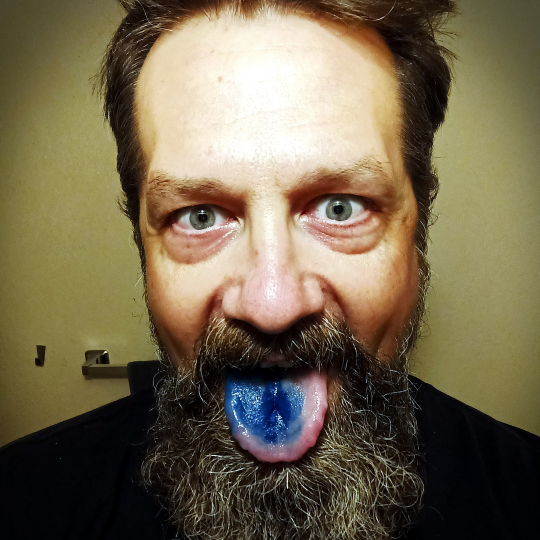
References

  1. Hajj-Boutros, Guy et al. “Wrist-worn devices for the measurement of heart rate and energy expenditure: A validation study for the Apple Watch 6, Polar Vantage V and Fitbit Sense.” European journal of sport science vol. 23,2 (2023): 165-177. doi:10.1080/17461391.2021.2023656
  2. Lee, Jeon, and Joseph Finkelstein. “Consumer sleep tracking devices: a critical review.” Studies in health technology and informatics vol. 210 (2015): 458-60.
  3. Wang, Peilu, et al. “Optimal dietary patterns for prevention of chronic disease.” Nature Medicine (2023): 1-10.
  4. Dimova, Rumyana et al. “The relationship between dietary patterns and glycemic variability in people with impaired glucose tolerance.” The Journal of nutrition, S0022-3166(23)35424-5. 9 Mar. 2023, doi:10.1016/j.tjnut.2023.03.007
Posted on

The Benefits of Cold Water Immersion and Heat Exposure for Health: A Study by Dr. Susannah Soeberg

Welcome to another edition of the Weekly Round-Up, where we explore the intersection between ancient practices and modern science as part of a more natural way of living so that we can experience our best physical and mental health. In this installment, we’ll explore three exciting topics that are sure to get you thinking about your fitness and wellness routine in a whole new way.

Winter Swimming

I’ve been exploring and writing about heat and cold exposure as part of my Natural Way of Living approach since 2015. I recently learned of the work of Dr. Susannah Soeberg of Denmark in this area.

Dr. Soeberg, a renowned expert in the field of health and wellness, recently conducted a study on the effects of cold water immersion and heat exposure on the human body. The study, which was published in Cell Reports Medicine in 2021, discovered the minimum threshold for experiencing significant health benefits from these practices.

According to Dr. Soeberg’s study, only 11 minutes of cold water immersion and 57 minutes of sauna per week can increase focus, energy, and mood. It’s important to note that this time should be divided into two to three days, ideally alternating between the two practices. During cold water immersion, noradrenaline and dopamine levels increase 2.5x within minutes and can last for hours. This hormone increase has been shown to activate brown fat, leading to improved metabolism and overall health.

Brown fat activation is a key factor in the health benefits of cold water immersion and heat exposure, as Dr. Soeberg’s study found. Brown fat activation increases during cold water immersion and people who regularly practice this technique are better able to tolerate the cold. The study also found that brown fat activation leads to lower insulin production and faster glucose metabolism. Additionally, the study found that brown fat activation has a circadian rhythm in humans, with higher activation levels early in the morning before waking up. This means that people who regularly practice cold water immersion and heat exposure may have a higher metabolic rate and feel warmer throughout the day.

  • Dr. Susannah Soeberg studied the effects of cold water immersion and heat exposure on the human body.
  • The study was published in Cell Reports Medicine in 2021.
  • The study found that only 11 minutes of cold water immersion and 57 minutes of sauna per week can lead to significant health benefits.
  • Brown fat activation is a key factor in the health benefits of cold water immersion and heat exposure.
  • People who regularly practice cold water immersion and heat exposure may have a higher metabolic rate and feel warmer throughout the day.
  • End on the cold to force the body to activate more brown fat.

Dr. Soeberg recommends starting slow and gradually building up your tolerance over time when incorporating cold water immersion and heat exposure into your daily routine. When practicing both techniques, it’s important to end on the cold to force the body to activate more brown fat and reheat naturally. This is known as the “Soeberg principle,” and it has been endorsed by Professor Andrew Huberman from Stanford University.

Dr. Soeberg’s study has shown that cold water immersion and heat exposure can have significant health benefits, including increased focus, energy, and mood, improved brown fat activation, and faster metabolism. By incorporating these practices into your daily routine, you can improve your overall health and well-being. Learn more about Dr. Soebergs work at The Soeberg Institute.

Explore how cold exposure can improve your health and energy levels today! Buy ‘Winter Swimming’ by Dr. Susannah Solberg on Amazon now.


Additional Articles From This Week

The Hidden Meaning of Crouching Tiger Hidden Dragon

Discover the fascinating origins of the title “Crouching Tiger, Hidden Dragon.” This iconic film draws from Chinese culture and features stunning martial arts scenes. Explore the hidden meanings behind the title, the connections to the characters, and the allusions to the film’s storyline. Don’t miss out on this must-read article for martial arts and Chinese culture fans. Read the full article to learn more!


5 Martial Arts Like Tai Chi

Join us on a journey through the fascinating world of five martial arts like Tai Chi, including I Liq Chuan, and more.

We’ll delve deeper into the history and philosophy of these practices, examine their unique training methods, and highlight their many benefits for modern-day living. Unlock the secrets of these ancient martial arts. Read the full article and discover the magic for yourself.

Start your journey to mastery today!

Read More!

Disclaimers & Conflicts of Interest

I am not a doctor or a lawyer, and the information provided should not be considered medical or legal advice.

The information provided is for educational and informational purposes only and should not be used as a substitute for professional legal or medical advice, diagnosis, or treatment. Consult your doctor or a qualified healthcare professional before making any changes to your diet, exercise routine, or lifestyle.

Please note that some of the links provided in this content may be affiliate links, meaning that I may receive a small commission if you purchase through them. However, please rest assured that any products or services recommended are based on my personal experience and belief in their value. I only recommend products or services that I have personally used and believe in.

References

  1. Søberg, Susanna, et al. “Altered brown fat thermoregulation and enhanced cold-induced thermogenesis in young, healthy, winter-swimming men.” Cell Reports Medicine 2.10 (2021): 100408.