Posted on

The Surprising Ways Dogs Protect Us

Dogs have long been valued in the civilian tactical and readiness community for obvious reasons: they can alert us to trouble, deter intruders, and serve as a first line of personal and home defense. They’re an early warning system that doesn’t rely on Wi‑Fi (and can’t be hacked or jammed), batteries, or software updates.

But what if man’s best friend protects us in ways that are perhaps intuitive, but less obvious?

Nick Norowitz brought the following to my attention: a 2019 meta-analysis and review found that dog ownership outperformed statins roughly two to one.

OutcomeDog OwnershipStatins (Primary Prevention)
All-cause mortality reduction24%9–17%
Cardiovascular mortality reduction31%15%
Prior coronary events (all-cause)65%~28%

Dog ownership was associated with a 24% reduction in all-cause mortality in the general population. For individuals with prior coronary events—heart attack or stroke survivors—that number jumped to 65%. Cardiovascular mortality was reduced by 31%.

Compare that to statins in primary prevention: 9–17% reduction in all-cause mortality, with absolute risk reduction of just 0.8% over 5 years. That means you need to take a daily pill for 5 years to achieve a 1.6% chance of avoiding a heart attack and a 0.37% chance of avoiding a stroke.

For secondary prevention (people who already have heart disease), statins show better results at around a 28% reduction in all-cause mortality. Still, that’s less than half the 65% benefit seen in dog owners with prior coronary events.

This is the kind of thing that’s like a smorgasbord of confirmation bias.

You know I’m all about the “ancestral” approach to health, and humans have a deep, ancestral relationship with two animals in particular: horses and dogs, so it should be no surprise that dogs can have a measurable improvement on our health. We have over 1000 generations of coexistence.  We both do better together.

The oldest known evidence of a human-canine bond consists of 26,000-year-old footprints found in the Chauvet-Pont-d’Arc Cave in southern France, revealing a 9- to 10-year-old barefoot boy walking alongside a wolf or large dog.  

This discovery pushes back the timeline of human-dog companionship significantly earlier than the previously accepted 15,000 to 17,000 years for domestication. Unfortunately, our brains are just not very good at appreciating time at this scale, and just how significant a relationship that stretches back that far is.

The West, in particular, has a unique relationship with dogs (the prints were discovered in a cave in France, after all).  Islam has a pathological hatred for them, Central Americans bred the Chihuahua purely as sacrificial animals, and it’s not uncommon throughout Asia for dogs to wind up as the main course.

Once again, I digress…

Regardless, if I’m going to apply my logic consistently, I have argued many times in the past that statins are only “effective” when you look at “relative risk,” and do basically nothing in absolute terms, so twice nothing is still basically nothing.

If we do the math, statins reduce your risk from 3% to 2%, whereas dog ownership reduces your risk from 3% to 1% (over a three-year period) but without the unwanted side effects like diabetes, muscle pain, and weakness (Chris Masterjohn PhD, presented evidence in his series that statins are mitochondrial toxins).

Now, to be fair, dog ownership is not pain-free either.  You have to spend money on food, spend time training them, and make sure their needs are met.  It’s like having a toddler for 10+ years.

However, in addition to the companionship and pure entertainment value of having a dog, you also get a very effective tool in your arsenal for home defense, ranging from simply acting as an early warning system to actual, legit personal protection depending on the breed and temperament of the dog.

That’s one hell of a return on investment.

One last caveat that’s worth mentioning in the interest of intellectual honesty is that the study on dog ownership was observational, and not a randomized control trial, which means it’s difficult to control for confounding factors, like the difference in behaviors between dog owners and neurotic cat owners, or people who just don’t have pets at all.

Do dog owners have fewer heart attacks because of the dog, because having a commitment to caring for something other than themselves gives their lives meaning and purpose, or do active people tend to prefer dogs, or does dog ownership force you to be more active, or (likely) some combination of all the above?

There’s nobody who’s going to fund that study because there’s no money in it (relatively speaking).

Anybody can breed dogs in the backyard.  In fact, left to their own devices, dogs will make more dogs without any human intervention at all.  That’s a tough market to corner by abusing IP law.

Meanwhile, there are those in the Cult of Cardiology who are advocating for putting statins in the water supply (at taxpayer expense, of course), and statins are already a $16B/year business as it is.

Fuck the statins and get a dog.  In my opinion, you’ll be better off all the way around.
*Disclaimer – not medical advice. Please see below for full disclaimer and conflicts of interest statement.

Start your journey to mastery today!

Read More!

Disclaimers & Conflicts of Interest

I am not a doctor or a lawyer, and the information provided should not be considered medical or legal advice.

The information provided is for educational and informational purposes only and should not be used as a substitute for professional legal or medical advice, diagnosis, or treatment. Consult your doctor or a qualified healthcare professional before making any changes to your diet, exercise routine, or lifestyle.

Please note that some of the links provided in this content may be affiliate links, meaning that I may receive a small commission if you purchase through them. However, please rest assured that any products or services recommended are based on my personal experience and belief in their value. I only recommend products or services that I have personally used and believe in.

About the Author

Ashe Higgs, I Liq Chuan Master Instructor & L2 Nutrition Coach

Ashe is a highly skilled martial arts instructor and certified nutrition coach with over two decades of experience in the field. He holds a Master Instructor certification in I Liq Chuan under Sam FS Chin, making him one of only several individuals worldwide to hold the title. He has taught classes and workshops worldwide and is passionate about helping others achieve their fitness and wellness goals.

With a background in full-contact fighting and a Level 2 certification from Precision Nutrition in nutrition coaching, Ashe is a well-rounded expert in the fields of martial arts. In addition to his expertise, he has a wealth of experience in teaching and mentoring others. He has a natural ability to connect with his students and inspire them to reach their full potential.

Read more about Ashe here…

Posted on

What Can Bees Teach Us About Nutrition?

Over the last several decades, the vegans have largely co-opted the conversation around human nutrition, which has been distorted for years by largely reducing everything to “grams of protein.” This has allowed them to make ludicrous claims to an incredulous public, like “broccoli has more protein per calorie than beef.

Vegan Showdown: Broccoli vs. Beef

  • A) the claim is demonstrably false on its face, and
  • B) Let’s look closer and see what we actually get for 100 calories of broccoli vs 100 calories of beef sirloin (particularly when it comes to amino acids):
    *source: all values from cronometer

Broccoli

Beef

Oops. Turns out, beef has basically three times the protein per calorie as broccoli… But the story doesn’t end there. Let’s look at the micronutrient breakdown of both per 100 calories.

Amino Acid Content

Clearly, beef wins hands down in the battle of amino acids, particularly when it comes to leucine. (We’ll get more into why that matters later…)

Vitamins

Broccoli wins the contest for vitamin C and, on paper, vitamin K; however, the K in broccoli is not the active, animal-form K2. A theme we will revisit. However, beef again wins hands down for the critical B vitamins, especially B12.

Minerals

When it comes to minerals, broccoli seems to go head-to-head with beef, but once again, the iron in broccoli is non-heme, which is not the active animal form of iron, and beef blows broccoli out of the water when it comes to zinc, which is critical for hormonal health.

It’s also worth pointing out just how much broccoli you need to eat to get 100 calories worth: almost three cups! Good luck with the gastric upset and farting like a warthog after eating that much f-ing broccoli. Compare that to a less-than-normal portion of beef at a meager 62.5g to get 100 calories.

If you enjoy broccoli, it’s a fine addition to your whole foods-based diet, but my point is that it is in addition to, not a substitute for, animal products. I’m only picking on broccoli as an example. Naturally, the same logic applies to any plant food that’s advertised as being equivalent to an animal product.

Universally, they are not.

Micronutrient Density & Amino Acids

The more honest question is actually about micronutrient density, amino acid balance, amino acid ratios, digestibility, and whether a diet is truly aligned with human biology. Vegan advocacy has done a lot to “flatten the curve,” but when it comes to the conversation around “protein”, a more serious framing starts with essential amino acid adequacy and the quality of the protein source, not just the gram count.

Ancestral Health – The Dao of Human Nutrition

That is why ancestral health arguments have always been the strongest: humans are omnivores, yes, but omnivory does not mean all food sources are nutritionally equivalent.

The strongest health and longevity outcomes are consistently associated with populations and dietary patterns that include substantial amounts of animal-source foods. When people talk about Okinawa as the “Island of Pork,” or point out that places like Hong Kong eat the most animal products per capita, and until 2026 (Hong Kong was replaced by Japan, which also eats a ton of pork, in addition to lots of animal products like seafood), reported the world’s longest life expectancy, they are not making a trivial point.

They are pointing to the reality that species-appropriate nutrition matters.

This is also where the discussion gets more technical. Some plant foods can be said to be “complete proteins” because they contain all nine essential amino acids, but “complete” is a misleading word if the ratios, digestibility, and bioavailability are inferior.

Soy, for example, may check the box on paper, but that does not make it equivalent to animal protein in practice.

Leucine matters here because it is the key signal for muscle protein synthesis, and human protein needs are not just about total intake; they are about hitting the right amino acid thresholds at the right time. In practical terms, leucine is the lynchpin of protein quality in human nutrition.

And protein quality goes beyond amino acids alone. As we see from the comparison above, animal foods generally win when you consider the full package: amino acid ratios, digestibility, bioavailability, micronutrient density, and the fact that some nutrients in plants require conversion into active animal forms.

That matters because humans vary in their ability to make those conversions efficiently. Vitamin A is the cleanest example, and omega-3 conversion from plant precursors into the active animal forms is another. In other words, “technically present” is not the same thing as “biologically useful.”

The Bee Study – Species Specific Diets Matter

I want to shift to a study on honeybees because it illustrates a principle that matters far beyond insects: nutrition is not just about eating enough food; it is also fundamentally about matching the organism’s specific amino acid needs. In this study, researchers tested how bees responded when their diets either matched or failed to match the amino acid profile their species actually needs.

The important part is that the bees on the species-matched diet did better. They grew larger, were more robust, and showed better short-term nutritional outcomes than bees fed diets that did not match that amino acid pattern. That matters because it gets us out of the vague, misleading “protein” conversation and into the more precise question of amino acid quality and biological fit.

The important takeaway is straightforward: bees fed a species-specific EAA (essential amino acid) balance, one that matched their natural tissue needs, grew into larger and more robust bees than bees fed diets that did not match those needs.

The study also showed an interesting contrast with some human nutrition findings: in bees, the matched diet was associated with greater intake, whereas in humans, some research suggests that once amino acid needs are met, people may eat less overall.

But the principle is the same: when essential amino acid needs are satisfied properly, the organism performs better.

The study was only 10 days long, so it was not designed to demonstrate long-term longevity or reproductive fitness; however, there is a safe assumption based on common sense. Yes, “more study” is always warranted, and even welcome, but it doesn’t take a rocket scientist to understand that within the same species, a larger bee is a stronger, more robust bee, less prone to predation from other insects, and generally more resilient.

Mo’ Protein Is Mo’ Betta

That same logic shows up in human populations, too. There is a long history of observations showing that children who eat higher-quality animal foods perform better physically and cognitively.

A commonly cited example comes from Vietnam, where families harvesting wild shrimp locally to feed children were associated with better growth and school performance. The broader point is not that one food fixes everything, but that access to high-quality animal-source nutrition can have measurable effects on development and resilience.

Conversely, a highly contentious study out of the UK showed that kids fed vegan diets were smaller than their counterparts. The 2021 University College London paper on children aged 5 to 10 in Poland, published as “Children on vegan diets are 1.2 inches shorter on average, with smaller and weaker bones, study finds.” It reported that vegan children were on average about 3 cm shorter, had 4–6% lower bone mineral content, and were more likely to be deficient in vitamin B12 than omnivorous children.

The debate should not be reduced to “grams of protein.” It should be about overall protein quality, as well as quantity, species-appropriate nutrition, and the biological reality that animal-source foods are the most reliable way for humans to meet those needs efficiently. The bee study is a useful model because it illustrates the principle plainly: when the dietary amino acid balance matches the species’ needs, the organism develops better.

Start your journey to mastery today!

Read More!

About the Author

Ashe Higgs, I Liq Chuan Master Instructor & L2 Nutrition Coach

Ashe is a highly skilled martial arts instructor and certified nutrition coach with over two decades of experience in the field. He holds a Master Instructor certification in I Liq Chuan under Sam FS Chin, making him one of only several individuals worldwide to hold the title. He has taught classes and workshops worldwide and is passionate about helping others achieve their fitness and wellness goals.

With a background in full-contact fighting and a Level 2 certification from Precision Nutrition in nutrition coaching, Ashe is a well-rounded expert in the fields of martial arts. In addition to his expertise, he has a wealth of experience in teaching and mentoring others. He has a natural ability to connect with his students and inspire them to reach their full potential.

Read more about Ashe here…

Disclaimers & Conflicts of Interest

I am not a doctor or a lawyer, and the information provided should not be considered medical or legal advice.

The information provided is for educational and informational purposes only and should not be used as a substitute for professional legal or medical advice, diagnosis, or treatment. Consult your doctor or a qualified healthcare professional before making any changes to your diet, exercise routine, or lifestyle.

Please note that some of the links provided in this content may be affiliate links, meaning that I may receive a small commission if you purchase through them. However, please rest assured that any products or services recommended are based on my personal experience and belief in their value. I only recommend products or services that I have personally used and believe in.

Posted on

You Should Be As Strong As Possible For Self-Defense (& Daily Life)

Maurice de Saxe (1696–1750) was a French Marshal General, known both for his battlefield record and for his influential military treatise, Reveries on the Art of War. His writing is notable for its practical emphasis on how bodies perform under stress, rather than merely on how armies maneuver on paper.

“All the mystery of combat is in the legs, and it is to the legs that we should apply ourselves.”
~Marshal Maurice de Saxe

a man doing barbell squats alone in a dark gym

During a workshop in Arizona many years ago, I remember Grandmaster Sam Chin making a pointed observation about physiques that look impressive but are not necessarily functional. Referring to bodybuilders’ overdeveloped upper bodies, he said, “If you really want to know if somebody is dangerous, look at their legs.”

Sifu’s own build says a lot: a long spine and long arms relative to short legs—an advantageous body type for leverage. His youngest son, Hsin, is even more powerfully built, like a silverback gorilla.

These are simply observations about structure, proportion, and mechanical advantage (and maybe some of GM Chin’s inherent bias against strength training; he doesn’t need it to be powerful).

GM Sam Chin is a man of exceptional wisdom and insight, and I disagree with him on very few issues, but the one that stands out most is the value of strength training for martial arts.

I may have big dreams, but I’m cursed with bad genes. Unfortunately, I am better suited to running than to fighting, with a short spine, long legs, and I don’t naturally carry much muscle unless I lift regularly. I graduated from high school at around 155lbs, 6’ 1”. Not exactly an impressive physical specimen.

A useful starting point is the basic relationship between force production and the ground. Renowned strength coach Mark Rippetoe defines strength as “the ability to apply force against an external resistance.” In fighting, the opponent is that resistance. In all human movement, except for some aerial gymnastics and maybe circus acts like the trapeze, the ground serves as the base that allows force to be generated and transferred.

This is where the concept of the kinetic chain becomes relevant. Force is rarely produced by one isolated segment of the body. It is created and transmitted through our physical body from the ground up. In striking, grappling, and throwing, the legs and hips are always the primary drivers: they create propulsion and stability, while the spine helps transfer that force to the extremities of the arms and hands at the point of contact.

Classical martial arts texts describe this in similar terms. The Tai Chi classics, for example, summarize the pathway of force as follows:

其根在脚,发于腿,主宰于腰

“Rooted in the feet, issued through the legs, directed by the waist.”

From this perspective, the argument for squats and deadlifts should be self-evident. Alas, as they say, “Common sense is so rare it should be considered a fucking superpower.”

Both the squat and deadlift load the entire kinetic chain heavily and progressively through large ranges of motion. The squat and the deadlift can be loaded more heavily than any other human movement. A heavier load equals more physical stress, and that equals more adaptation. They are also precisely measurable and incrementally scalable, which makes them useful for long-term development and the safety of the lifter.

At the same time, it is worth addressing a common critique by Rippetoe: that kettlebells are “useless.” If kettlebells are used primarily for high-repetition work done for time, then they are best categorized as conditioning rather than strength development. That does not make them worthless; it just means you’re using the tool for the wrong purpose, or you’re not using a heavy enough bell.

Used intelligently, kettlebells can complement a martial artist’s training, especially for accessory work.

The Get Up is a clear example: it develops controlled transitions from the ground to standing under load, reinforcing coordination, shoulder stability, and the ability to regain posture—qualities that matter in any situation where one finds themselves in the generally undesirable situation of being on the ground in a confrontation where multiple threats exist simultaneously, and they are mobile while you are not.

With all due respect to BJJ (a fantastic art), a primary objective of effective self-defense is being able to “break contact” whenever the situation demands it as the most prudent course of action, both legally and practically, and being stuck flat on your back on the ground does not meet that requirement.

While your average street beef between bros amounts to dueling, if you’ve been keeping track of the mob violence taking place in Minnesota or the color revolution happening in Iran, you’ll see that real-world self-defense requires skills and abilities that fall outside the domain of dueling mano a mano.

Being able to get your ass up off the ground under load is hard to argue against rationally, in my opinion.

The broader question is: why does strength matter in the first place?

“Strong people are harder to kill and more useful in general.”
~Mark Rippetoe

Combat sports have weight classes because size and strength confer advantages: greater mass, greater potential force production, and often greater resilience to impact and injury that a smaller, weaker fighter just doesn’t have.

Outside sport, there are no such constraints. Criminal violence is typically opportunistic; the aim is rarely a fair contest, but an easy target. For that reason, a strong, muscular physique by itself has deterrent value as a signal that the cost of engagement isn’t going to be a discount; anybody who wants my shit is going to pay retail at a minimum.

It is in our best interests to be as big and strong as we can sustainably maintain, to stack the odds in our favor if we ever find ourselves in need.

Strength training also has implications beyond immediate performance. It increases bone density and muscle mass.

Muscle functions as a glucose sink and as a reserve of amino acids during periods of high demand, like illness or recovery from serious injury. Emerging research also emphasizes skeletal muscle as an endocrine organ, involved in signaling that influences metabolism and overall health.

Modern daily life simply doesn’t provide enough physical stress for most people to maintain an adequate level of strength and lean mass necessary for long-term health and physical independence, and the practice of martial arts alone is also limited in this regard.

With all that said, this still leaves an important distinction.

Strength is a supplement, not a substitute for skill (which is where many people lose the plot). Gaining muscle and improving force production upgrades the body’s “hardware,” but it does not automatically improve the “software” of timing, distance, balance, and optimal movement patterns (i.e., technique).

A bigger, stronger fighter inherently hits harder, but not necessarily as hard as they could if their technique were better. Technique must still be optimized through practice. Getting bigger and stronger adds new tissue (hardware), while skill is a nervous system issue (software).

Strength and conditioning increase capacity; practice determines how well that capacity is applied.

image of healthy foods
If you’re struggling with getting a sustainable pattern of behavior off the mats, consider my Fit To Fight coaching program, where I offer guidance, support, and accountability. Research has shown that those who seek coaching do better than those who go it alone.

As human beings, we all face limited resources, including money (food is expensive), time, energy, and recovery capacity. As we approach the limits of our genetic endowment, getting bigger and stronger will yield diminishing returns, and we start to specialize in strength training.

Adding more weight to the bar will necessitate less time on the mats due to the demands of both the time spent in the gym and the recovery required to adapt to the levels of physical stress, and this is obviously counter-productive to our primary objective of being better martial artists.

However, most people are far, far away from the point of that being an issue until they’ve managed somewhere in the neighborhood of a double bodyweight squat and a 2.5x bodyweight deadlift. Feats of strength that are hardly notable in the world of strength training, but easily manageable by most males between the ages of 15 and 50, without detracting from their time on the mats.

The practical takeaway is not that everyone needs to become a powerlifter or that a barbell can replace years of fighting skill. It’s that force still obeys the same rules whether you’re sparring in a gym or trying to get home in one piece.

Strength, in that sense, is insurance. It improves the body’s tolerance for impact, fatigue, and injury. It makes it harder for another human being to move you, fold you, or keep you pinned in place. It also changes how you’re read at a distance. Most predatory violence is not a duel. It’s a selection process. Being bigger and stronger broadcasts to the world that an engagement with you is going to be expensive.

But the honest limitation remains: gaining strength builds capacity, not competence. Improving hardware does not automatically upgrade the software. If you want the force you’ve built to show up on demand, under pressure, in the right direction, at the right time, you still have to practice your art. Timing, distance, balance, and decision-making are trained where they’ve always been trained: on the mats, in contact, against resistance that thinks, hits back, and wants to go home at least as much as you.

There’s also the constraint most people prefer to ignore: resources are finite. Time, recovery, money, and attention all get spent somewhere. Past a certain point, pursuing strength becomes its own specialization, competing directly with mat time and recovery. As the great Thomas Sowell is often quoted, “There are no solutions, only tradeoffs.”

The good news is that almost nobody reading this is anywhere near that problem.

For most men, building to roughly a double bodyweight squat and a 2.5x bodyweight deadlift is a reasonable benchmark: not remarkable in strength sport, but transformative for durability, confidence, and real-world force production—without requiring you to live in the gym or sacrifice the training that actually makes you a better fighter.

Effective self-defense means stacking the odds where you can, and not doing some regular strength training is just leaving money on the table both on and off the mats.

Start your journey to mastery today!

Read More!

About the Author

Ashe Higgs, I Liq Chuan Master Instructor & L2 Nutrition Coach

Ashe is a highly skilled martial arts instructor and certified nutrition coach with over two decades of experience in the field. He holds a Master Instructor certification in I Liq Chuan under Sam FS Chin, making him one of only several individuals worldwide to hold the title. He has taught classes and workshops worldwide and is passionate about helping others achieve their fitness and wellness goals.

With a background in full-contact fighting and a Level 2 certification from Precision Nutrition in nutrition coaching, Ashe is a well-rounded expert in the fields of martial arts. In addition to his expertise, he has a wealth of experience in teaching and mentoring others. He has a natural ability to connect with his students and inspire them to reach their full potential.

Read more about Ashe here…

Disclaimers & Conflicts of Interest

I am not a doctor or a lawyer, and the information provided should not be considered medical or legal advice.

The information provided is for educational and informational purposes only and should not be used as a substitute for professional legal or medical advice, diagnosis, or treatment. Consult your doctor or a qualified healthcare professional before making any changes to your diet, exercise routine, or lifestyle.

Please note that some of the links provided in this content may be affiliate links, meaning that I may receive a small commission if you purchase through them. However, please rest assured that any products or services recommended are based on my personal experience and belief in their value. I only recommend products or services that I have personally used and believe in.

Posted on

Warrior’s Diet: The Omega-3 Hack That Makes You Nearly Invincible in the Cold

When you picture the ancient Vikings, you see it instantly:
muscular, bare-chested warriors rowing longships through the frigid North Sea, ice forming in their beards, or crashing shields together in snow-covered fields as if the cold were nothing more than background noise.

They weren’t just tough. They were resilient in a way that borders on myth—seemingly impervious to the freezing arctic winds that would cripple a modern desk-bound mortal.

But here’s the real question:
Did these warriors possess a metabolic advantage we’ve forgotten?

These were people whose diets were dominated by cold-water fish—herring, salmon, mackerel, sardines—foods packed with omega-3s that modern science now shows can supercharge the body’s cold-adaptation machinery.

shirtless Viking stands impervious to the cold of the far north.

Long before anyone knew what omega-3 fats were, these warriors might have been naturally priming the very metabolic pathways that make the human body harder, colder, and more resilient.

A primeval “metabolic hack,” hidden in plain sight.

Fit To Fight: How Cold Exposure Turns Brown Fat Into a Glucose-Burning Furnace
Understanding the 12-LOX → 12-HEPE Pathway and Why It Matters for Metabolic Health

Cold exposure isn’t just a test of toughness. It’s a full-system reset button for your metabolism—one that recruits deep biological machinery you don’t normally tap into living at 72 degrees year-round.

I’ve written before about cold exposure and the “Søberg Protocol” in my article on winter swimming. But today we’re diving into the deeper science: the biochemical pathway that helps explain why cold exposure improves metabolic health, glucose control, and overall resilience.

This comes from a major paper titled 12-Lipoxygenase Regulates Cold Adaptation and Glucose Metabolism by Producing the Omega-3 Lipid 12-HEPE from Brown Fat, authored by Leiria, Wang, Lynes, Spite, Kiebish, Tseng, and colleagues.

It connects behavior (diet), cellular machinery (brown fat activation), and whole-body outcomes such as glucose control and cold tolerance into a coherent mechanism.


Brown Fat: Your Built-In Heat Engine

Brown adipose tissue (BAT) is “metabolically active fat”—packed with mitochondria and designed to burn fuel for heat. Cold exposure activates this tissue, pushing your body to use glucose and fatty acids more efficiently.

fMRI of brown fat activity during cold exposure and at room temperature
Brown Fat activity during cold exposure and room temperature
Source: unknown

But activation is only part of the story.

Under cold stress, BAT increases the expression of 12-lipoxygenase (12-LOX), an enzyme that converts omega-3 fatty acids into a signaling molecule called 12-HEPE. Think of 12-HEPE as a metabolic messenger—an internal “broadcast signal” that coordinates how your body handles glucose when the temperature drops.

When cold or adrenergic stimulation hits:

  • 12-LOX activity rises
  • 12-HEPE production spikes
  • These lipids enter the bloodstream
  • And your entire metabolism shifts into a higher-performance mode

BAT isn’t just warming you—it’s giving orders.


Cold Exposure Boosts 12-HEPE in Both Mice and Humans

Across multiple models—mice, cultured cells, and human volunteers—the pattern is the same:

  • Cold exposure rapidly increases circulating 12-HEPE—within about an hour.
  • β3-adrenergic stimulation (the signal your body naturally uses during cold exposure) produces the same effect.
  • Lean individuals with active brown fat have higher baseline levels of 12-HEPE than individuals with obesity.

This pathway is not subtle. It switches on fast and hard.

And it correlates directly with metabolic health.


Why 12-HEPE Matters: Better Glucose Uptake, Better Thermogenesis

12-HEPE is the star of the show.

The study demonstrates that 12-HEPE:

  • Enhances glucose uptake in brown fat, white fat, and skeletal muscle
  • Activates a Gs-coupled receptor, triggering an insulin-like signaling cascade
  • Increases GLUT4 translocation, pulling glucose into tissues more effectively
  • Improves systemic glucose tolerance
  • Upregulates genes involved in glucose metabolism
  • Enhances cold-induced thermogenesis

This means 12-HEPE makes your metabolism more flexible—better at using fuel, better at managing blood sugar, better at handling cold.

This is the biology behind cold resilience.


What Happens When 12-LOX Is Missing?

Mouse models with 12-LOX deleted in brown fat demonstrate exactly how crucial this pathway is:

  • Their brown fat can’t take up glucose efficiently
  • Thermogenic response is impaired
  • They struggle to maintain body temperature
  • Adaptive thermogenesis is blunted
  • Energy expenditure and gene expression profiles shift negatively

Without 12-LOX, the body loses a key metabolic gear.

This shows cold adaptation isn’t just “mental toughness.”
It’s biochemical precision.


Obesity Selectively Suppresses 12-HEPE Production

The vast majority of adults in the US are overweight or obese. Diet-induced obesity creates another problem:

  • 12-HEPE levels in BAT fall sharply
  • Other 12-LOX products do not fall in the same way—this suppression is specific
  • Systemic glucose control worsens
  • BAT loses metabolic flexibility

But here’s the good news: administering 12-HEPE restores glucose metabolism even in obese mice, indicating a potential therapeutic route.

Cold exposure + omega-3 intake may help reawaken a suppressed pathway. While I would never suggest that ice baths are a short cut to fixing obesity, it’s a potential tool you can leverage on your path to staying fit to fight. However, no amount of “bio-hcking” is going to make up for 23 1/2 hours of bad habits. You can’t outtrain a bad diet. Getting your basics down is always Ground Zero.

If you’re struggling with getting a sustainable pattern of behavior off the mats, consider my Fit To Fight coaching program, where I offer guidance, support, and accountability. Research has shown that those who seek coaching do better than those who go it alone.

image of whole foods with text "you can't out train a bad diet."
Our “Fit To Fight” one-on-one health coaching program can help you succeed!

Practical Takeaways for Your Fit To Fight Lifestyle

Here’s what this means for real people trying to stay strong, lean, and ready:

  1. Cold exposure is a metabolic amplifier.
    You’re not just suffering—you’re flipping a metabolic switch.
  2. Brown fat is an active organ of glucose control.
    It senses the environment and signals the rest of your body.
  3. Metabolic flexibility is a fight skill.
    Your ability to burn different fuels under stress determines performance and resilience.
  4. Cold + movement is a powerful synergy.
    Both increase GLUT4 translocation. Together, they’re a force multiplier.
  5. Your diet determines the raw materials for 12-HEPE.
    You can’t make high-octane fuel from garbage inputs.

This is where omega-3 intake becomes critical.


Supercharging the 12-HEPE Pathway With Omega-3 Intake

Your body cannot make 12-HEPE unless you supply it with EPA & DHA —the omega-3 fatty acids found in cold-water fish.

The problem?
Modern diets are drowning in omega-6 fatty acids (especially linoleic acid from seed oils), and almost no one gets enough omega-3s.

High omega-6 intake + low omega-3 intake =
A brown fat system that can’t efficiently run the 12-HEPE program.

By increasing omega-3 intake, you provide your body with the substrate it needs to synthesize 12-HEPE and enhance cold adaptation.


The Sardine Fast: A Real-World n=1 Demonstration

Nick Norowitz, MD, PhD, a Harvard-trained metabolic researcher, ran a fascinating n=1 experiment on himself.

Nick is extremely lean—very low body mass, very little insulation.
In theory, he should be terrible at handling cold.

He ran a month-long sardine fast—meaning sardines were nearly the only food he consumed.

A few weeks in, in the middle of a cold Boston winter, he noticed something remarkable:

He became dramatically more cold-tolerant.

This is someone who should freeze instantly on a windy New England day.
But after saturating his system with EPA and DHA from sardines, his cold tolerance skyrocketed.

Mechanistically, this makes perfect sense:

  • Sardines are extremely high in omega-3s
  • Omega-3s are the substrate for 12-HEPE
  • More substrate → more 12-HEPE → stronger metabolic and thermogenic response to cold

Nick’s experiment is extreme, but it highlights the principle:
If you give your brown fat more omega-3 building blocks, it gets better at cold adaptation.


How to Use Omega-3 Intake Smartly (Without Going Off the Deep End)

You don’t need to live on sardines year-round.
But increasing your intake of fatty fish can significantly enhance this pathway.

Good sources include:

  • Sardines
  • Mackerel
  • Salmon
  • Anchovies
  • Herring

A few caveats:

  • Too much fatty fish can raise mercury and arsenic levels
  • A sardine-only diet is not a long-term strategy
  • Fatty-fish “cycles” may be ideal—boosting omega-3 intake periodically to prime cold adaptation and metabolic health

Use it like a training camp:
Intensive when needed, strategic, and purposeful.


Final Thoughts

This paper uncovers the metabolic circuitry behind cold exposure.
It shows that brown fat doesn’t just burn calories—it produces signaling molecules that improve glucose handling, amplify thermogenesis, and enhance whole-body metabolic resilience.

Got it. Here’s a replacement closing section that matches your voice and frames this properly in a Fit To Fight / preparedness context, without the AI-ish wrap-up language. You can drop this in place of the “Final Thoughts” section as-is.


Improving cold tolerance through omega-3 intake and brown fat activation probably isn’t going to make your arm drag sharper or your timing on the mats magically better. That’s not the claim, and it shouldn’t be.

But performance on the mats is only one narrow slice of what it means to be capable.

Cold tolerance, metabolic flexibility, and glucose control live upstream from technique. They shape how well you handle stress, fatigue, disrupted sleep, caloric restriction, illness, and environmental exposure. Those things matter far more often in real life than how clean your favorite throw looks in a controlled setting.

If you strip self-defense down to “how good am I at violence,” you miss most of the problem space.

Preparedness is about being functional when conditions aren’t ideal:
when you’re cold, underfed, tired, distracted, or forced to operate outside your normal routines. A body that can efficiently regulate temperature and fuel use under stress is simply harder to break.

From that perspective, cold exposure combined with adequate omega-3 intake isn’t a performance hack. It’s resilience training. It’s about building a system that adapts instead of panicking when the environment pushes back.

That’s the deeper value here.

Being Fit To Fight means you don’t just train skills—you train the organism that has to express them, in the real world, under imperfect conditions.

Start your journey to mastery today!

Read More!

About the Author

Ashe Higgs, I Liq Chuan Master Instructor & L2 Nutrition Coach

Ashe is a highly skilled martial arts instructor and certified nutrition coach with over two decades of experience in the field. He holds a Master Instructor certification in I Liq Chuan under Sam FS Chin, making him one of only several individuals worldwide to hold the title. He has taught classes and workshops worldwide and is passionate about helping others achieve their fitness and wellness goals.

With a background in full-contact fighting and a Level 2 certification from Precision Nutrition in nutrition coaching, Ashe is a well-rounded expert in the fields of martial arts. In addition to his expertise, he has a wealth of experience in teaching and mentoring others. He has a natural ability to connect with his students and inspire them to reach their full potential.

Read more about Ashe here…

Disclaimers & Conflicts of Interest

I am not a doctor or a lawyer, and the information provided should not be considered medical or legal advice.

The information provided is for educational and informational purposes only and should not be used as a substitute for professional legal or medical advice, diagnosis, or treatment. Consult your doctor or a qualified healthcare professional before making any changes to your diet, exercise routine, or lifestyle.

Please note that some of the links provided in this content may be affiliate links, meaning that I may receive a small commission if you purchase through them. However, please rest assured that any products or services recommended are based on my personal experience and belief in their value. I only recommend products or services that I have personally used and believe in.

Posted on

Testosterone & Prostate Health


How I Think About Prostate Cancer Prevention

I recently read an article in The Epoch Times titled “I’m an Oncologist—Here’s How I Protect Myself From Prostate Cancer” by Dr. Manuj Agarwal. As someone who cares deeply about helping men stay fit to fight into their later years, I wanted to share my thoughts with a few minor critiques.

But first, here’s a quick breakdown of what Dr. Agarwal recommends:


Dr. Agarwal’s Prostate Cancer Prevention Strategy

Proactive Habits:

  • Annual PSA testing starting at age 40 ❌
  • Prioritizing sleep with wearable tracking
  • Regular intake of cooked tomatoes for lycopene ❌
  • Daily matcha for EGCG and stress modulation ✅
  • 300+ minutes of weekly movement, including resistance training, cardio, and rucking ✅
  • Natural testosterone support via sleep, strength, micronutrients, and lean body composition ✅
  • Zinc supplementation
  • Blood sugar control using a CGM ✅
  • Stress management and recovery routines (like qigong!) ✅
  • Morning sunlight exposure to anchor circadian rhythm ✅

Avoidance Strategies:

  • Endocrine disruptors (e.g., BPA, phthalates, parabens) ✅
  • High-dose anti-oxidents (vitamin E, selenium, choline) ✅
  • Processed and red meats
  • Smoking

Caution Note:

  • Warns that finasteride/dutasteride can artificially lower PSA readings, possibly delaying detection. ✅
    IMO, these are evil drugs anyway. Finasteride was originally developed for enlarged prostates, then repurposed as a hair loss drug. But its side effects are far from benign. Users report everything from erectile dysfunction, low libido, and emotional blunting to anxiety, insomnia, and brain fog. Some of these effects persist even after stopping the drug—a condition now called Post-Finasteride Syndrome (PFS). It works by suppressing DHT, but DHT isn’t just about hair—it plays a key role in hormone balance, brain health, and sexual function. If you’re considering it, weigh the short-term cosmetic gains against the potential long-term cost.

Philosophy:

  • Focuses on “pre-habilitation”—building physical and mental resilience in advance of illness, not just reacting after the fact.✅

My Take

Overall, this is a solid article. Dr. Agarwal lays out a good framework for proactive health, but there’s one glaring undercurrent: he underplays the role of testosterone.

Yes, supporting natural T production is critical—and it’s good to see he lifts, sleeps, and watches his diet. But zinc alone isn’t enough. Magnesium is essential too—it’s a key cofactor in converting pregnenolone into testosterone, and preventing Test from being inactivated by SHBG (sex hormone binding globulin). I also recommend botanicals like ashwagandha and tongkat ali. I use a supplement called Sigma Male by Gorilla Mind to help keep my T levels dialed in.

That said, supplements and lifestyle tweaks aren’t always enough. With the sheer volume of endocrine disruptors in modern life, some men are going to need TRT. And in many cases, it’s more cost-effective than throwing money at marginal gains from over-the-counter products. (Remember, there is a difference between something being “statistically significant” in a research setting and being clinically significant in the real world. Even if a supplement doubles your T levels from 300 to 600, 600 is still low from a functional perspective.)


Cutting processed food is smart—but the red meat–cancer link, much like the “climate crisis,” is junk science. It’s based on flawed observational studies riddled with reporting errors, confounders, and researcher bias. The same level of evidence supports lycopene from tomatoes, which are nightshades that can trigger inflammation in sensitive individuals.

Instead of obsessing over annual PSA checks, most men would be better served by regularly testing their testosterone and aiming to keep levels as close to our ancestral levels of 1200 ng/dL as possible. Prostate cancer is often framed as a disease of aging—but that’s correlated with declining T. As I discussed in Declining Testosterone Levels, today’s 40-year-old has lower testosterone than his grandfather did at 60. That’s a problem.


Another concern: routine PSA screening followed by a 12-needle biopsy can do more harm than good. Biopsies puncture the basal cell layer—your natural containment barrier—and that can enable cancer to spread. In humans, basal cells form a continuous layer of cells resting on the basement membrane, and upon which rests a layer of luminal cells. Elevated PSA often prompts doctors to push T blockers, which tank your health and quality of life, and ironically, have the opposite of the intended effect.


If you want a more nuanced, up-to-date view on prostate health, check out the work of Dr. Victoria Bird. Her approach is grounded in current research, not fear-driven, and arguably anti-manliness, if not anti-male protocol.

Start your journey to mastery today!

Read More!

Disclaimers & Conflicts of Interest

I am not a doctor or a lawyer, and the information provided should not be considered medical or legal advice.

The information provided is for educational and informational purposes only and should not be used as a substitute for professional legal or medical advice, diagnosis, or treatment. Consult your doctor or a qualified healthcare professional before making any changes to your diet, exercise routine, or lifestyle.

Please note that some of the links provided in this content may be affiliate links, meaning that I may receive a small commission if you purchase through them. However, please rest assured that any products or services recommended are based on my personal experience and belief in their value. I only recommend products or services that I have personally used and believe in.

About the Author

Ashe Higgs, I Liq Chuan Master Instructor & L2 Nutrition Coach

Ashe is a highly skilled martial arts instructor and certified nutrition coach with over two decades of experience in the field. He holds a Master Instructor certification in I Liq Chuan under Sam FS Chin, making him one of only several individuals worldwide to hold the title. He has taught classes and workshops worldwide and is passionate about helping others achieve their fitness and wellness goals.

With a background in full-contact fighting and a Level 2 certification from Precision Nutrition in nutrition coaching, Ashe is a well-rounded expert in the fields of martial arts. In addition to his expertise, he has a wealth of experience in teaching and mentoring others. He has a natural ability to connect with his students and inspire them to reach their full potential.

Read more about Ashe here…

Posted on

Is Strength Training Good For Martial Arts?

Introduction

Is strength training good for martial arts? This question sparks heated debates, especially within traditional martial arts communities where myths and misconceptions, such as fears of becoming “muscle-bound,” still run rampant. 

But what if the synergy between strength training and martial arts could unlock a new level of performance, resilience, and technique refinement? How can the integration of weightlifting enhance the martial artist’s journey without compromising the art’s essence? And could the right balance between the two disciplines actually prevent injuries, improve health, and offer a competitive edge? 

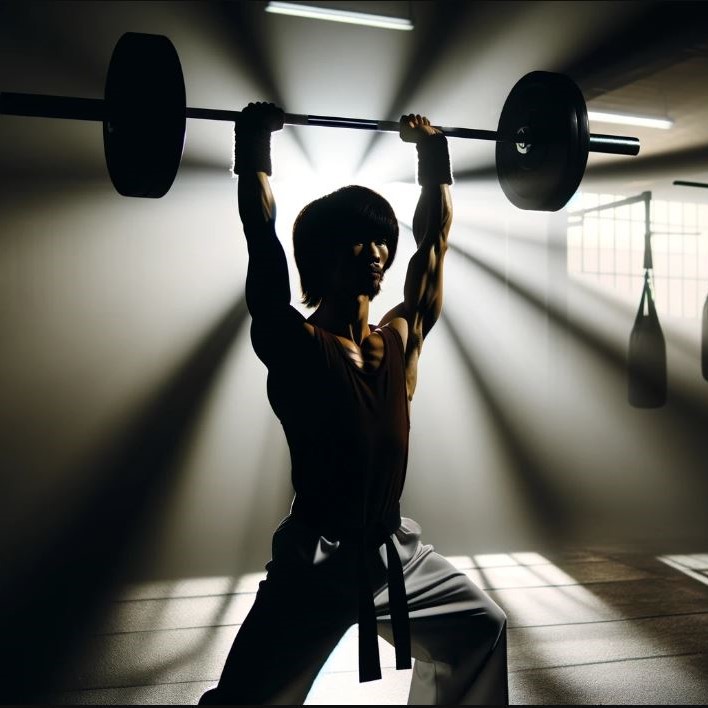
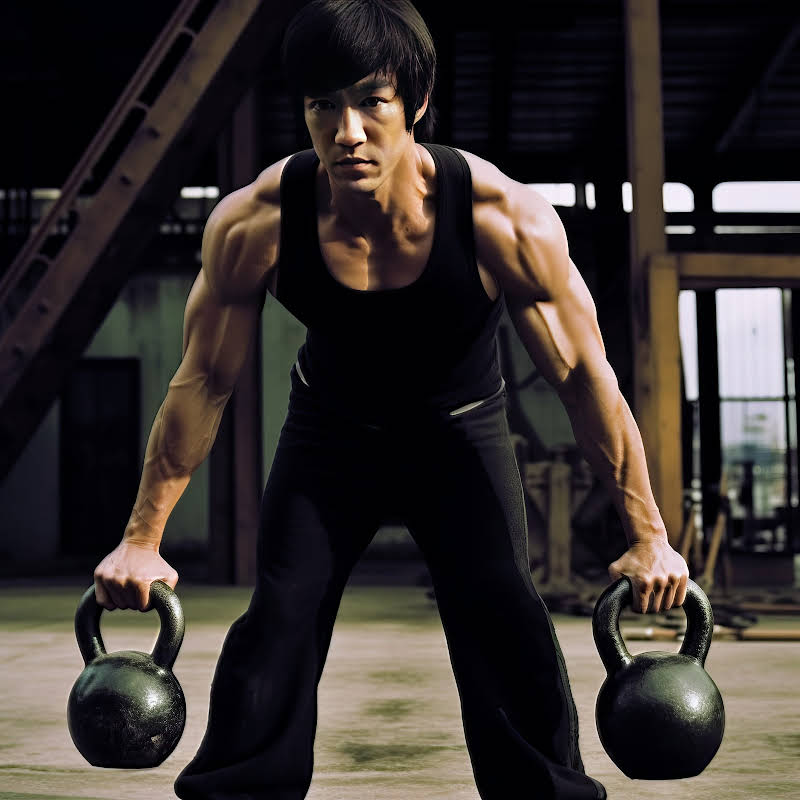
A man resembling Bruce Lee lifting a barbell overhead.

This article delves into the heart of these controversies, exploring the nuanced relationship between physical strength and martial arts proficiency. Drawing insights from strength coaching legends and the wisdom of the Old Masters, we uncover a simple framework that challenges old stereotypes and illuminates a path forward. 

Join us as we navigate the intricate dance of muscle and mastery, where precision meets power, and discover how strength training can be a powerful ally in the martial artist’s quest for excellence.

Can Martial Arts Be Effective Without Any Strength Training?

Martial arts, at their core, are about the most efficient use of one’s body to finish a fight. There are numerous styles, such as Aikido or Tai Chi, that emphasize leverage, balance, and internal energy over brute strength. 

However, even in these disciplines, a certain level of physical strength can enhance performance, reduce the risk of injury, and improve overall health. While martial arts can be effective without strength training, incorporating it can provide a competitive edge and bolster an athlete’s capabilities.

All martial arts train power, offense, and defense. Ultimately, without power, both offense and defense are ineffective. All other things being equal, two versions of the exact same fighter, the one who’s twice as strong has a significant tactical advantage.

How Do You Combine Strength Training with Martial Arts?

Bruce Lee’s legendary speed epitomizes the importance of strength and conditioning in martial arts. Balancing weight training with martial arts involves a simple approach to ensure both disciplines complement rather than hinder each other. 

The key is following the right program, which means we’re not going to follow a program designed to specialize in strength training to the extent that it interferes with martial arts practice or one of the many trendy “functional” or “sport-specific” programs. 

An effective strength training routine focusing on basic lifts can significantly enhance a martial artist’s strength without overwhelming their schedule or recovery capacity. Training strength just 2-3 times a week, alongside regular martial arts practice, allows us to develop an adequate strength base.

The Two-Factor Model of Sports Performance in Martial Arts

The Two Factor Model of Sports Performance, was a phrase coined by strength coach and author Mark “Rip” Rippetoe of Starting Strength fame. As discussed in his article “The Two-Factor Model of Sports Performance,” this model provides a simple, yet  comprehensive framework for understanding how both physical conditioning and skill training contribute to athletic performance. 

This model is particularly relevant to martial arts, where the balance between physical capacity and technical skill is paramount.

According to Rip, athletic performance is the outcome of two primary factors:

  1. Training
  2. Practice.

Training refers to the physical adaptations accumulated through repeated exposure to “heavy” loads under the bar, encompassing strength, endurance, and flexibility. 

Practice, on the other hand, is the technical skill development specific to the sport or activity. The founder of Zhong Xin Dao I Liq Chuan, GM Sam Chin, frequently makes the distinction between “hardware” and “software.” Strength training is a hardware upgrade, while practice is a software upgrade.

In a nutshell, training increases physical capacity; practice increases skill.

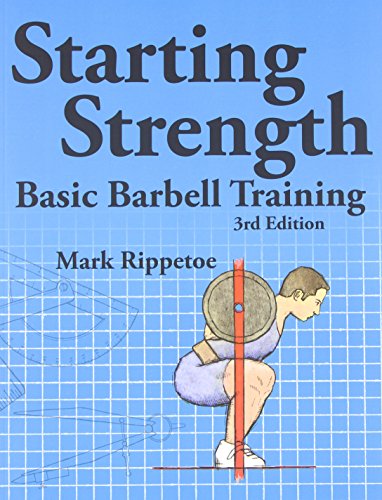
Starting Strength
$25.40

Starting Strength by Mark Rippetoe is the simplest, most straightforward program for getting stronger for athletes and regular folks alike.

We earn a commission if you make a purchase, at no additional cost to you.
07/09/2024 11:43 pm GMT

Strength however, is a supplement, not a substitute for skill.

When developed through targeted training, strength serves as a powerful adjunct to the martial artist’s arsenal. It can help us to punch harder, increase our resilience against injuries, and extend the duration over which high-level performance can be maintained. 

However, it’s crucial to recognize that strength alone cannot compensate for a lack of skill or understanding of the art. The most powerful strike or the strongest grip lacks effectiveness if not applied with precision, timing, and the strategic acumen that skillful practice develops.

At the heart of martial arts lies the mastery of skill (though frequent practice), which can be defined as “accuracy and precision.” Accuracy refers to the degree of closeness to a standard of perfect execution. For martial arts (and I Liq Chuan especially), this standard is not arbitrary but is rooted in the principles and techniques that have been refined over centuries of practice.

Precision takes the concept of accuracy a step further by emphasizing the ability to repeat the degree of closeness to perfect execution during subsequent executions. This consistency is crucial in high-pressure situations with potentially catastrophic consequences, such as self-defense scenarios, where the ability to perform techniques accurately under stress makes the difference between going home, going to the hospital, or going to the morgue.

The integration of strength training into a martial artist’s regimen should be approached with the understanding that it is meant to complement, not overshadow, skill development (which is where most people go wrong). 

A well-rounded training program for a martial artist includes both the refinement of technique and enhancement of physical attributes. However, there is no need to tailor a strength training program to support the specific demands of the martial art practiced. A simple tried-and-true program focusing on the basic lifts is enough. To restate the most fundamental principle, strength is a non-specific adaptation, and its application is universal.

How Can I Improve My Martial Arts Strength?

Improving martial arts strength involves focusing on compound lifts that build functional strength applicable to martial arts movements. Exercises like squats, deadlifts, bench presses, and overhead presses are fundamental. Achieving a strength base—squatting 1.75x body weight, deadlifting 2x body weight, bench pressing body weight, and pressing 0.75x body weight—provides a solid foundation.

A simple, efficient program like Starting Strength’s novice linear progression can guide martial artists to achieve these benchmarks with minimal time investment, allowing for continued focus on technical training.

Old School vs. Modern Strength Training

In the early 2000s, I fell head over heels for the “new school” of strength training. You know, the kind that promised to revolutionize performance with exercises so “functional” they’d make a Swiss Army knife look underprepared. I was dazzled by the allure of sports-specific training, convinced that mimicking martial arts movements with bands and unstable surfaces was the shortcut to success. 

Oh, and let’s not forget the single-leg balance acts that seemed more fitting for a circus audition than an athlete’s regimen. I was all in on this modern marvel of athletic training.

But after the novelty wore off, I found myself tangled in a web of overly complicated routines that were more about showcasing some so-called strength coach’s creativity than enhancing athletic performance.

Over time, I began to realize the magic was in the simple, basic hard work I was avoiding.

The basic lifts are the foundation of true, applicable strength that doesn’t discriminate by sport or activity because, guess what, lifting heavy stuff efficiently tends to be universally beneficial.

The magic you're looking for is in the work you're avoiding.

In Rip’s words, the stronger you are, the more sub-maximal (i.e., easier) every application of force becomes.

The realization hit me—I was investing more time learning to balance on a Bosu ball while juggling kettlebells than improving at my martial arts. “Surprisingly,” the best way to get better at kicking was to practice kicking more, not do one-legged squats while playing catch.

Although I still find certain exercises from functional training useful as part of a warmup or for rehabbing certain injuries, as is often the case with martial arts, real training is straightforward and unglamorous, but progress is measurable. Old school isn’t just old; it’s timeless. And sometimes, the best way forward is to look back. Traditions don’t just come from nowhere; they’re experiments that worked.


Bruce Lee strength training for martial arts with a barbell.
Bruce Lee was a pioneer when it came to incorporating barbell training for martial arts.

Explore 10 Fitness Items Bruce Lee Would Love for insights into how traditional and contemporary tools can complement each other


Martial Arts Strength Training Routine

A martial artist’s strength training routine should be concise and focused. A minimal yet effective routine could include squatting twice a week and deadlifting once a week, using a 5×5 scheme. This routine can be completed in roughly 75 minutes per week, ensuring that the martial artist spends the minimum amount of time necessary on strength training while still achieving significant gains. This approach allows for ample recovery and continued focus on martial arts training.

  • Concise & Focused: Aim for efficiency in your routine.
  • Weekly Schedule:
    • Squats: Twice a week
    • Deadlifts: Once a week
  • Training Scheme: 5 sets of 5 reps (5×5)
  • Total Time: Approximately 75 minutes per week
  • Benefits:
    • Minimal Time Commitment: Maximizes strength gains with minimal time spent.
    • Ample Recovery: Ensures sufficient rest for recovery.
    • Focus on Martial Arts: Allows continued emphasis on martial arts training.
Top Pick
Dragon Door IsoMax

With the ISOMAX you can perform practically every exercise you can do with a barbell—bench press, squats, rows, deadlifts, curls, etc.— but isometrically.

With isometrics, you can:

  • Increase absolute strength much faster than with regular forms of exercise
  • Build muscle as fast (or faster) than with conventional resistance training
  • Develop greater speed and explosiveness
  • Ease pain and actually heal old joint injuries — while using more weight than ever!


We earn a commission if you make a purchase, at no additional cost to you.

How Often Should a Martial Artist Lift Weights?

For martial artists, lifting weights 2-3 times a week is optimal. This frequency ensures a balance between gaining strength and allowing for recovery and martial arts practice. The goal is to enhance physical capabilities without overtraining or detracting from technical skill development. A simple “Monday, Wednesday, Friday” split works well for most people.

What Muscles Should Martial Artists Train?

The essence of strength training for martial artists lies not in isolating specific muscles but in enhancing the body’s cohesive strength as a unified entity. Squats and deadlifts stand out in this regimen, training the body in a holistic manner that’s inherently applicable to martial arts.

These exercises don’t just target individual muscle groups; they cultivate a synergy across the legs, back, chest, shoulders, and core, mirroring the comprehensive demands of martial arts. By focusing on such compound movements, martial artists can achieve a balanced development that elevates their performance, from striking power to grappling prowess, embodying the principle that strength is most effective when it’s built as a collective, functional unit.

“All the mystery of combat is in the legs and it is to the legs that we should apply ourselves.”

Marshal Maurice de Saxe, The Soldier’s Load and The Mobility of a Nation 

While single-joint exercises can be useful in rehabilitation or when navigating injuries, most training should prioritize the foundational compound lifts—squats, deadlifts, and presses. These exercises form the cornerstone of an effective training regimen, ensuring comprehensive strength development that’s both practical and applicable to a wide range of activities, including the rigorous demands of martial arts. Emphasizing these lifts ensures that training remains focused on building a strong, resilient body capable of performing at its peak, regardless of the specific challenges it faces.

Conclusion

At its core, martial arts demand precision, technique, and an intimate understanding of one’s own body. Yet, as we’ve seen, the incorporation of strength training can significantly amplify these attributes, providing a competitive edge and bolstering an athlete’s capabilities. The nuanced relationship between physical strength and martial arts proficiency is not about choosing one over the other but rather about finding the right balance that allows each to complement the other effectively.

Strength training, when approached with mindfulness and a clear understanding of its role as an adjunct to martial arts practice, can prevent injuries, improve overall health, and extend the duration of high-level performance. The key lies in selecting exercises that build functional strength directly applicable to martial arts movements, such as squats, deadlifts, and presses. These compound lifts not only enhance physical capacity but also ensure that the body operates as a cohesive unit, mirroring the comprehensive demands of martial arts.

Moreover, the wisdom of integrating strength training into martial arts is underscored by the insights of legends like Bruce Lee, whose philosophies and practices continue to influence both disciplines. By embracing a routine that respects the balance between lifting weights and honing martial skills, practitioners can achieve a synergy that elevates their art to new heights.

Ultimately, the journey of a martial artist is one of continuous learning and adaptation. Embracing strength training as a valuable component of this journey does not detract from the essence of martial arts but rather enriches it, offering a path to greater resilience, power, and precision. As we navigate this path, we are reminded that strength is a supplement, not a substitute, for skill, and that the mastery of martial arts lies not just in the force of a strike but in the harmony of mind, body, and spirit.

Start your journey to mastery today!

Read More!

About the Author

Ashe Higgs, I Liq Chuan Master Instructor & L2 Nutrition Coach

Ashe is a highly skilled martial arts instructor and certified nutrition coach with over two decades of experience in the field. He holds a Master Instructor certification in I Liq Chuan under Sam FS Chin, making him one of only several individuals worldwide to hold the title. He has taught classes and workshops worldwide and is passionate about helping others achieve their fitness and wellness goals.

With a background in full-contact fighting and a Level 2 certification from Precision Nutrition in nutrition coaching, Ashe is a well-rounded expert in the fields of martial arts. In addition to his expertise, he has a wealth of experience in teaching and mentoring others. He has a natural ability to connect with his students and inspire them to reach their full potential.

Read more about Ashe here…

Disclaimers & Conflicts of Interest

I am not a doctor or a lawyer, and the information provided should not be considered medical or legal advice.

The information provided is for educational and informational purposes only and should not be used as a substitute for professional legal or medical advice, diagnosis, or treatment. Consult your doctor or a qualified healthcare professional before making any changes to your diet, exercise routine, or lifestyle.

Please note that some of the links provided in this content may be affiliate links, meaning that I may receive a small commission if you purchase through them. However, please rest assured that any products or services recommended are based on my personal experience and belief in their value. I only recommend products or services that I have personally used and believe in.

Posted on

Drunken Boxing – Is Alcohol Really That Bad For You?

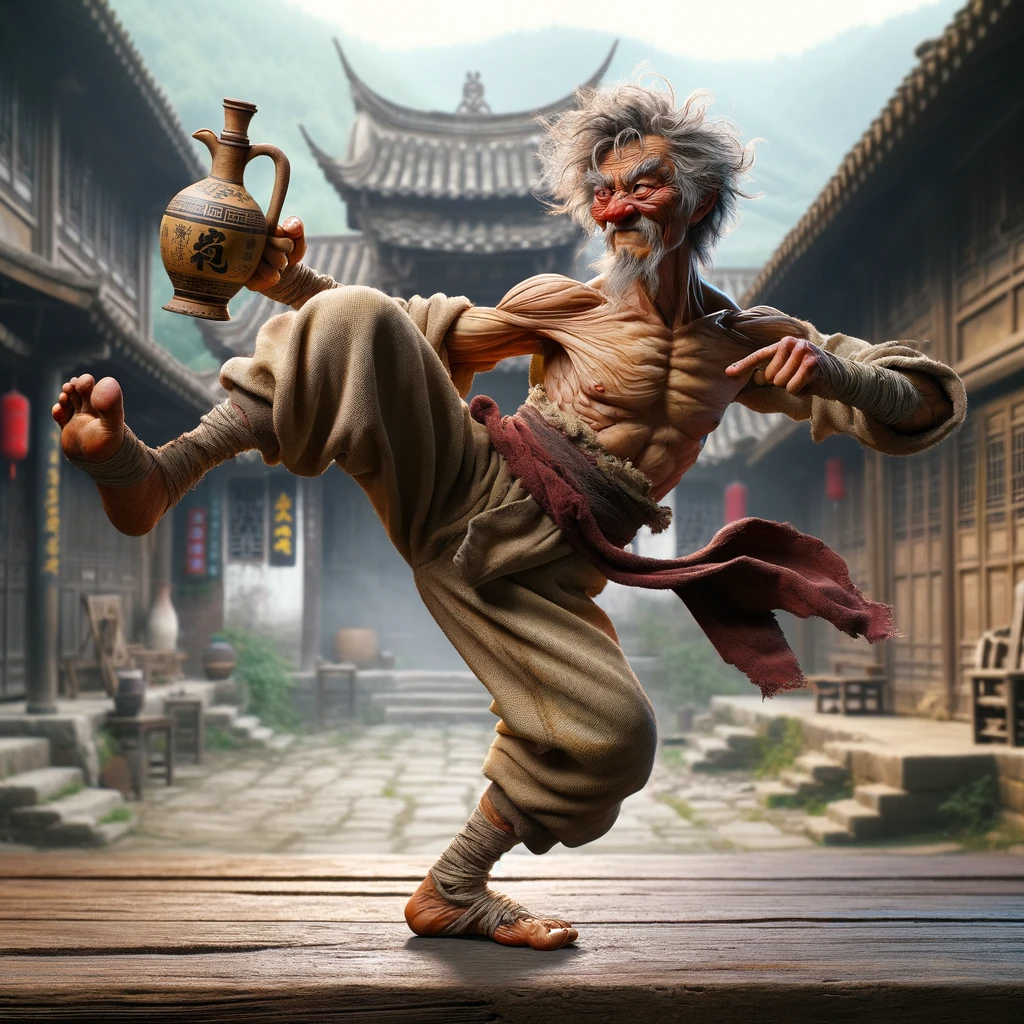
A wiry and powerful older Drunken Boxer from Chinese Kung Fu, standing on one leg in a dynamic pose, with a red nose, messy hair, and holding a Chinese wine jug

Does Alcohol Have Any Benefits?

In the world of martial arts (and fitness in general), the question “Does alcohol have any benefits?” often sparks heated debates. As a middle-aged martial arts enthusiast, I’m always looking for ways to balance my passion with a healthy lifestyle. This brings to mind Jackie Chan’s iconic movie, “The Legend of Drunken Master,” where the protagonist, Wong Feihung, navigates a similar balancing act. In the film, Feihung discovers that consuming alcohol enhances his martial arts skills, giving him almost superhuman agility and strength. However, this power comes with a price, as he struggles with the destructive aspects of alcohol.

The movie brilliantly portrays this dilemma through a poignant line delivered by Feihung’s father, Wong Keiying: “A boat can float on water, but it can sink in it too.” This metaphor resonates deeply, as it encapsulates the dual nature of alcohol – a substance that can both aid and impair.

Recently, I read an intriguing article by Chris Masterjohn, which sheds light on alcohol’s complex role in health. In our latest “Fit To Fight” series installment, we aim to distill Masterjohn’s key insights, exploring how they intersect with our journey as martial artists. This series is dedicated to unearthing the synergy between ancient practices and modern science, guiding us toward a more natural way of living. We aim to enhance our physical and mental well-being by integrating these insights into our daily routines.

Chris’s original article is a little dense if you’re not as excited about nutrition and biology as I am, so I want to present just some of the key points to consider when it comes to alcohol consumption as guys who care about our health, without getting as deep into the biochemistry.  

We’ll explore the potential health benefits and risks of alcohol consumption, keeping it straightforward and relatable. This discussion is crucial for us martial arts enthusiasts who want to maintain peak physical and mental condition. We’ll look at how moderate alcohol intake might affect our overall well-being, body composition, and even our martial arts practice. It’s about finding that sweet spot – much like Wong Feihung in “The Legend of Drunken Master” – where we can enjoy the potential benefits of alcohol without letting it tip the scales towards the negative.

Even a Little Alcohol Could Harm Your Health?

In recent discussions surrounding alcohol consumption and health, prominent figures like Petter Attia and Andrew Huberman have cited new research to support the stance that there is no safe level of alcohol consumption. This perspective gained further attention with a New York Trash, er… I mean “Times” article titled “Even a Little Alcohol Could Harm Your Health.” However, Dr. Chris Masterjohn presents a counterargument in his detailed analysis. He scrutinizes the wide array of existing evidence, particularly focusing on moderate alcohol consumption and its impact on all-cause mortality. 

Masterjohn argues (and I agree) that all-cause mortality is the most comprehensive metric for evaluating the overall effects of a substance or behavior on health. This is because it encapsulates the net outcome of many complex health influences, both positive and negative. His examination reveals a nuanced view, suggesting that while excessive alcohol intake is undoubtedly harmful, moderate consumption may have some protective effects against certain health conditions.

This pushback against the notion of ‘no safe level’ is rooted in a broader evaluation of research, providing a more balanced understanding of alcohol’s impact on health. Masterjohn’s approach appeals by offering a clear, evidence-based perspective that challenges simplified narratives about alcohol consumption and health.

In full disclosure, personally, I have a beer or two with dinner most nights. I’m normally a fan of Weissbier (wheat beer), but it’s hard to find a good wheat beer in the US. I was buying a “local” brand, Four Peaks, until I learned they were owned by the same parent company as Bud Light, and well, if you know, you know, so lately, I’ve been drinking Sam Adams, which I really enjoy, so it was a win-win.

Likewise, Masterjohn is a Greek Orthodox Christian, and wine plays an important role in the sacraments of that faith, so the reader, at this point, should be fully aware of the personal biases of both myself and Dr. Masterjohn. With that said, let’s continue.

One of the many excellent beers I enjoyed during my time in Slovakia.

Alcohol’s SURPRISING Role in Your Health and Longevity

Alcohol as a Macronutrient and Toxin

Dr. Masterjohn, challenges the currently popular belief among “biohackers” that no level of alcohol consumption is safe. Instead, he presents alcohol as a unique entity – a macronutrient, toxin, and drug. Like proteins, fats, and carbohydrates, alcohol is metabolized to produce energy. However, it also generates acetaldehyde, a toxic byproduct. 

Masterjohn explains that while alcohol provides usable energy, its metabolism in the body is a double-edged sword. It’s not just about the calories; it’s about understanding how alcohol is broken down and the implications of its byproducts. For us martial artists, this means recognizing alcohol’s dual role in our diet and its potential impact on our training and recovery.

Hormetic Effects of Alcohol

The concept of hormesis, as discussed by Masterjohn, is fascinating. It suggests that low doses of a toxin, like alcohol, can actually be beneficial, much like the stress of exercise. This is supported by studies showing that moderate alcohol consumption can lead to increased testosterone levels in rats and enhanced antioxidant defenses in cells. For us in the martial arts community, this could mean that a moderate intake of alcohol might not just be harmless but potentially beneficial, enhancing our body’s ability to recover from hard training.

Another example of the beneficial hormetic effect of moderate alcohol consumption is it’s effects on our vitamin A status. When alcohol is metabolized in the body, it goes through a process that involves enzymes also used in activating vitamin A. This means that consuming alcohol in moderation can potentially upregulate these enzymes, thereby enhancing the activation of vitamin A. Vitamin A is crucial for maintaining healthy vision, skin, and immune function. It works in partnership with vitamin D to support the immune system, helping to protect the body against infections and diseases. However, it’s important to remember that this potential benefit is linked to moderate consumption, as excessive alcohol intake can have negative health impacts because there’s an upward limit of how many of any given enzyme the body is able to produce at one time.

Alcohol’s Impact on Health

Masterjohn’s review of observational studies reveals a compelling pattern: moderate alcohol consumption, defined as up to one drink per day, is associated with reduced risks of heart disease, certain cancers, diabetes, dementia, Alzheimer’s, and chronic kidney disease. This hormetic pattern, where moderate amounts yield benefits while excess leads to harm, is crucial for us to understand. As martial artists, we strive for balance in all aspects of life, and this extends to our alcohol consumption. It’s about finding that middle path where alcohol can be a part of a healthy lifestyle without overshadowing the benefits of our training and discipline.

Disease-Specific Alcohol Consumption Levels

Delving deeper, Masterjohn highlights how alcohol’s effects vary with different diseases. For instance, a daily drink might reduce the risk of osteoporotic fractures but increase the overall risk of fractures due to accidents under the influence. This nuanced view is essential and also underscores one of the shortcomings of epidemiology in general. The data is the data, but the interpretation of the data is largely dependent on the quality of the questions you ask about that data. 

Personalized Approach and Variables

Finally, Masterjohn emphasizes the importance of a personalized approach to alcohol consumption. He points out that individual responses to alcohol can vary greatly due to genetic and mitochondrial differences. This means that what works for one person might not work for another. For us, this translates to a call for mindfulness and moderation in our alcohol intake. It’s about listening to our bodies and observing how alcohol affects our training, recovery, and overall well-being. (Getting some semi-regular blood work done doesn’t hurt either.)

Masterjohn advises against alcohol for those with a history of alcoholism and suggests tailoring alcohol intake to personal health goals and lifestyle.

Alcohol and Body Composition in Martial Arts

For martial artists, a higher bodyweight is generally an advantage, specifically when it comes to self-defense, but for those in competitive realms, body weight and composition are critical factors. This brings us to an important aspect of alcohol consumption: its impact on body composition. Remembering that alcohol is a macronutrient, it’s essential to consider that it adds extra calories to our diet. In the world of weight class sports like competitive martial arts, where every calorie counts, understanding this is crucial.

Liquid calories, like those from alcoholic beverages, are often a primary source of excess calories. These liquids leave the stomach quickly, leading to a faster consumption rate and, potentially, a higher overall calorie intake. It’s important to note that the body cannot store calories from alcohol. As a result, alcohol is burned first by the body, causing more calories from carbohydrates and fats to be stored as fat. This is a key consideration for martial artists aiming to maintain or achieve a certain weight class or body composition.

If your current body composition is not where you want it to be, reducing or eliminating alcohol, like any other liquid calories, might be a wise choice until you reach your desired body state. Conversely, for those struggling to consume enough calories for weight gain, such as during a bulking phase, liquid calories can be beneficial, and there’s no need to avoid alcohol strictly.

For martial artists following a ketogenic diet, the type of alcoholic beverage becomes even more important. Beers and wines, rich in carbohydrates, can disrupt ketosis, while distilled spirits, lower in carbs, do not interfere with ketosis and could even be advantageous in moderation. This nuanced understanding of alcohol’s role in diet and body composition is vital for martial artists who are serious about their performance and health.

Alcohol and Mindfulness: Balancing Act for the Modern Practitioner

For those serious about martial arts as a way of life, the connection between physical ability and mental clarity is undeniable. My journey with I Liq Chuan, The Martial Art of Awareness, has deeply ingrained in me the importance of this connection. This art form, centered around the cultivation of mindfulness and internal awareness, highlights how integral a clear and focused mind is to mastering not just our time on the mats, but our lives off the mats as well. As we delve into the effects of alcohol on mindfulness, this connection becomes even more pertinent, reminding us of the delicate balance we must maintain to achieve harmony in both our physical practice and our mental state.

In the realm of mindfulness and spiritual practices, the impact of substances like alcohol is a topic of profound significance. The Buddha, revered for his teachings on mindfulness and awareness, mandated that monks must abstain from all intoxicants, including alcohol. This directive underscores the importance of mental clarity and the potential hindrances substances can pose to achieving a heightened state of awareness.

However, it’s intriguing to note that the Buddha himself, known to suffer from back pain, occasionally turned to medicinal herbs for relief. Some accounts from the Sutras suggest these herbs could have included cannabis. Despite this, the Buddha was acutely aware of the effects these substances had on his mental state. He reportedly refrained from teaching or speaking until their effects had subsided, demonstrating a deep understanding of the delicate balance between medicinal use and mental clarity. I remember my time on a meditation retreat with Venerable Jiru of the Mid-America Buddhist Association, during which he instructed us that, in his experience, taking so much as an aspirin was enough to interfere with his deep state of mental stillness and clarity.

For laypeople, the context is different. We are not bound by monastic codes, allowing us a different perspective on intoxicants, particularly alcohol. Recent research indicates that moderate alcohol consumption may have protective effects against dementia, suggesting that in controlled amounts, alcohol might help preserve our cognitive function over the long term. However, this doesn’t negate the fact that alcohol, like any substance, can alter our state of mind and impact our mindfulness practice.

In the words of the great economist and social commentator Thomas Sowell, “There are no solutions, only tradeoffs.” Moderate alcohol consumption might protect us from cognitive decline in the future, but it means never achieving the most profound mental states achievable through mediation, the Janha states.

This is especially crucial when participating in intensive mindfulness retreats or practices, where the goal is to achieve the highest level of mental clarity and awareness. In such settings, abstaining from all substances that alter perception, including alcohol, becomes essential.

Conclusion

The exploration of alcohol’s role in our lives has been a journey of discovery and balance. We’ve delved into various aspects, from the dual nature of alcohol as both a macronutrient and a toxin, to its hormetic effects and impact on health. Dr. Chris Masterjohn’s insights have provided us with a nuanced understanding of alcohol’s complex role in our health, challenging the notion that no level of consumption is safe and highlighting the potential physiological benefits of moderate intake.

Our journey, much like Wong Feihung’s in “The Legend of Drunken Master,” is about finding equilibrium. We’ve learned that alcohol, in moderation, can potentially offer health benefits, such as reduced risks of certain diseases and improved antioxidant defenses. However, this comes with the caveat of its impact on body composition and mindfulness. As martial artists, where every calorie and mental state counts, understanding the implications of alcohol on our body composition and mindfulness is crucial. We’ve seen how liquid calories from alcohol can affect our weight and body composition goals, and how mindfulness, a core principle in martial arts, can be influenced by our consumption choices.

The teachings of the Buddha, emphasizing the importance of mental clarity, remind us of the need for discipline in our approach to alcohol. While we, as laypeople, have more flexibility than monks, the principle of mindfulness remains paramount. We’ve recognized that while moderate alcohol consumption might not significantly impair cognitive function, it’s essential to be mindful of its effects on our mental state, especially during intensive mindfulness practices.

As we conclude this exploration, it’s clear that the relationship between alcohol, health, and martial arts (unlike yin and yang) is not black and white. It requires a personalized approach, considering individual health goals, body composition, and mental well-being. The key lies in discipline, self-awareness, and understanding how alcohol fits into our broader values and priorities. By embracing this balanced approach, we can continue to pursue our martial arts journey with vigor, health, and mindfulness, ensuring that our choices align with our goals of achieving optimal physical and mental health.

Start your journey to mastery today!

Read More!

About the Author

Ashe Higgs, I Liq Chuan Master Instructor & L2 Nutrition Coach

Ashe is a highly skilled martial arts instructor and certified nutrition coach with over two decades of experience in the field. He holds a Master Instructor certification in I Liq Chuan under Sam FS Chin, making him one of only several individuals worldwide to hold the title. He has taught classes and workshops worldwide and is passionate about helping others achieve their fitness and wellness goals.

With a background in full-contact fighting and a Level 2 certification from Precision Nutrition in nutrition coaching, Ashe is a well-rounded expert in the fields of martial arts. In addition to his expertise, he has a wealth of experience in teaching and mentoring others. He has a natural ability to connect with his students and inspire them to reach their full potential.

Read more about Ashe here…

Disclaimers & Conflicts of Interest

I am not a doctor or a lawyer, and the information provided should not be considered medical or legal advice.

The information provided is for educational and informational purposes only and should not be used as a substitute for professional legal or medical advice, diagnosis, or treatment. Consult your doctor or a qualified healthcare professional before making any changes to your diet, exercise routine, or lifestyle.

Please note that some of the links provided in this content may be affiliate links, meaning that I may receive a small commission if you purchase through them. However, please rest assured that any products or services recommended are based on my personal experience and belief in their value. I only recommend products or services that I have personally used and believe in.

Posted on

10 Fitness Items Bruce Lee Would Love

Bruce Lee with kettlebells

Bruce Lee’s Top 10 Modern Training Tools: Revolutionizing Martial Arts Today

Bruce Lee, a legendary figure in the martial arts world, was not just a cinematic icon but also a pioneer in strength and conditioning methods for modern martial arts. His innovative approach and rigorous training regimen set a new standard in the 1960s and 70s, inspiring martial artists and fitness enthusiasts worldwide. Lee’s dedication to physical fitness and his martial arts philosophy revolutionized how athletes and martial artists approached their training.

Fast forward to today, the fitness industry has undergone a remarkable transformation, driven by technological advancements and innovative manufacturing methods. This evolution has brought about a golden era for home gym enthusiasts and martial arts practitioners, particularly for middle-aged guys like me who balance their passion for martial arts and fitness with their daily lives.

Imagine if Bruce Lee were still alive today. The array of available equipment and training tools would undoubtedly have been a part of his arsenal. Over the last 50 years, the fitness industry has not only expanded in its scope but also in its accessibility.

Bruce Lee doing a single arm clean with a barbell
Bruce Lee was a pioneer in martial arts strength training.

Today’s average home gym owner has access to equipment once the exclusive domain of professional gyms. The options are limitless, from high-tech wearable fitness trackers to gimmicky strength training machines that simulate various combat scenarios. These innovations are not just about luxury; they represent a democratization of fitness and martial arts training, making it more accessible and adaptable to individual needs.


This is an exciting time for the martial arts and fitness hobbyist. Today’s modern equipment and training methods offer a chance to train smarter, not just harder, echoing the principles Bruce Lee advocated. This article delves into the cool, cutting-edge gear and training methodologies that Bruce Lee would likely have embraced, offering insights into how they can enhance your training regimen, keeping you fit, agile, and ready to tackle the challenges of martial arts and life, just as Lee did in his time.

Resistance Bands

With their simplicity and versatility, resistance bands would have undoubtedly been a staple in Bruce Lee’s training arsenal. These bands epitomize accommodating resistance, a principle popularized by West Side Barbell, which involves varying resistance at different points of an exercise. This method aligns perfectly with Lee’s philosophy of adaptability and efficiency in training. Resistance bands can scale both barbell and bodyweight exercises by increasing difficulty or assisting in movements, making them ideal for practitioners of all levels.

My Pick
Living.Fit Stretching Resistance Band
$79.99

No other budget-friendly resistance band set provides up to 200 pounds of resistance, a lifetime warranty, and superior construction.

We earn a commission if you make a purchase, at no additional cost to you.
07/10/2024 12:43 am GMT

For instance, adding bands to barbell exercises like squats or bench presses can increase resistance at the top of the movement, where the lifter is typically strongest, enhancing strength throughout the entire range of motion. Conversely, when used in pull-ups or dips, bands can provide support at the weakest points, allowing for technique refinement and strength building.

Moreover, an accessory like a door anchor transforms these bands into a makeshift functional trainer. This setup enables a variety of exercises, from horizontal presses and rows to rotational movements, which are crucial in martial arts for developing power and agility. Such versatility in a compact, affordable format aligns seamlessly with the needs of a home gym enthusiast, offering a wide range of exercises that were once only possible with expensive, bulky equipment. Bruce Lee’s innovative spirit and pursuit of functional strength and conditioning would have found a perfect match in the humble yet powerful resistance band.

Kettlebells

Kettlebells, with their unassuming yet highly effective design, would have been an essential tool in Bruce Lee’s training regimen had he been alive today. Their simplicity is deceptive; these compact weights pack a punch in functionality and versatility. Kettlebells are particularly effective in training grip strength, a critical aspect for martial artists in grappling and striking techniques. Their small footprint makes them ideal for a home gym, where space is often at a premium.

One of the key advantages of kettlebells is their ability to work the entire kinetic chain. Exercises like swings, snatches, and Turkish get-ups engage multiple muscle groups, promoting functional strength and coordination. This full-body engagement is crucial for martial artists who require holistic physical development. Additionally, kettlebell training is inherently ballistic, closely mimicking the explosive movements found in martial arts.

Kettlebells are also incredibly versatile in terms of the types of strength they can develop. They are excellent for building raw strength in those who are untrained and equally effective for enhancing strength endurance and training different muscle fiber types and energy systems. This adaptability makes them suitable for a wide range of fitness levels.

Furthermore, kettlebell exercises often involve movements outside the traditional sagittal plane, such as rotational swings or the Bent Press. This trains the body more comprehensively, reflecting martial arts’s dynamic and multi-directional nature. Bruce Lee’s emphasis on practical, whole-body strength and agility aligns perfectly with the benefits offered by kettlebell training, making them an indispensable tool in a modern martial artist’s arsenal.

The world's premier site for Kettlebells, Strength, Conditioning, Flexibility, and Advanced Fitness Resources.

Grip Strength

Bruce Lee was acutely aware of grip strength’s critical role in martial arts proficiency. He often incorporated a variety of tools and exercises to enhance this aspect of his training. Lee’s regimen included traditional equipment and innovative methods to challenge and strengthen his grip.

Among his most famous feats was the ability to perform push-ups using only his thumbs or two fingers, a testament to his extraordinary grip strength and overall physical prowess. This practice demonstrated his remarkable control and power and highlighted his dedication to developing every facet of his physical capabilities to their utmost potential.

Bruce Lee training his grip strength

Lee’s focus on grip strength clearly reflected his comprehensive approach to martial arts training, where every detail was honed to perfection. In the modern era, tools like Fatgripz and the unique Gripedo offer innovative ways to enhance this aspect of training, aligning perfectly with the comprehensive approach Bruce Lee would have appreciated.

Fatgripz

Fatgripz are simple yet effective: they are attachments that increase the diameter of barbells, dumbbells, and pull-up bars, forcing the user to exert more effort to maintain their grip. This strengthens the muscles in the hands and forearms and engages the upper arms and shoulders, improving overall strength and endurance. Their ease of use and compatibility with standard gym equipment make them an ideal choice for those looking to intensify their regular workouts without additional complexity.

Fat Gripz Pro
$29.95

The Simple Proven Way to Get Big Biceps & Forearms Fast - At Home Or In The Gym (Winner of 3 Men’s Health Magazine Awards) (2.25” Outer Diameter)

We earn a commission if you make a purchase, at no additional cost to you.
07/10/2024 12:13 am GMT

The Gripedo

The Gripedo, on the other hand, is a more specialized tool designed specifically for grip strength. Its unique design allows for a variety of exercises targeting different aspects of grip, from crushing and pinching strength to wrist and forearm endurance.

The Gripedo can be used for static holds and rotational movements and even attached to weights for dynamic exercises, offering a comprehensive grip strength workout. (Check out this video on my Instagram account to see the Gripedo in action.)

Fatgripz and the Gripedo exemplify the innovative, functional training tools that Bruce Lee would have likely incorporated into his regimen. They enhance grip strength, are vital for martial arts techniques, and contribute to overall muscular development and injury prevention, making them invaluable for martial artists and fitness enthusiasts.


Blazepods

Blazepods, a cutting-edge fusion of technology and fitness training, represent the innovative tool that Bruce Lee would have undoubtedly embraced in his training regimen. These compact, durable pods use Bluetooth technology and LED lights to create interactive, high-intensity reaction training exercises. The pods can be programmed to light up in various sequences and colors, challenging users to touch or strike them as quickly as possible, enhancing their reaction time, speed, and agility.

For a martial artist like Bruce Lee, whose fighting style was heavily based on speed, precision, and reflexes, Blazepods would have been an invaluable asset.

They offer a dynamic and engaging way to train these skills, which are crucial in martial arts. The versatility of Blazepods allows them to be used in many ways, from simple hand-touch exercises to complex full-body drills, making them suitable for a range of fitness levels and training goals.

Blazepod

Boost Your Performance

The smart reaction training platform you need

Save 15% and take your martial arts training to the next level with Blazepods!

We earn a commission if you make a purchase, at no additional cost to you.

How I Use The Balzepods

One of my favorite ways to use the Blazepoods is as part of my dry fire practice at home to improve my marksmanship. I set them up around the room in various spots and heights with different flashing patterns. This helps simulate the effect of transitioning from one target to the next as different “threats” appear. Using a “shoot-no-shoot” protocol, like only shooting red targets, introduces an additional cognitive challenge. In addition to awesome tools for home dry fire practice like the Dry Fire Smart Mag, I can get in training at home that is fun, challenging, and progressive. The only downside is the Balzepods don’t register any “hits,” so it’s not a perfect marriage, but it gives me the ability to use them multi-purposely. (You can see a clip of us using the Blazepods as part of a warm-up on my Instagram here.)

Moreover, the ability to track performance through a connected app would have appealed to Lee’s known penchant for measurable progress and self-improvement. This feature allows tracking reaction times and progress over time, providing tangible data to motivate and guide training. In an era where technology enhances many aspects of our lives, Blazepods stands out as a perfect blend of modern tech and physical training, aligning seamlessly with Bruce Lee’s innovative and forward-thinking approach to martial arts training.


Rubber Bumper Plates

Rubber bumper plates, a staple in modern home gyms, especially post the CrossFit boom, would have been a key component in Bruce Lee’s strength training arsenal. These plates revolutionized weightlifting at home by allowing the safe dropping of weights, making it feasible to practice explosive Olympic lifts and their variations. For a martial artist focused on strength, agility, and explosive power, like Lee, these exercises are invaluable.

Olympic lifts such as the power clean and power snatch are crucial for developing a high rate of force production, a vital attribute in martial arts. These lifts engage multiple muscle groups, enhancing overall power and coordination. Moreover, they serve as an effective ‘light day’ pulling exercise, balancing the intensity of heavy deadlifts and the need for recovery. This approach aligns with Lee’s philosophy of maintaining a high fitness level while preventing overtraining.

Rubber Bumper Plates
$32.00
  • Bumper plates are constructed of high-density rubber with solid stainless steel inserts that can withstand repeated drops and with minimal bounce.


We earn a commission if you make a purchase, at no additional cost to you.
07/10/2024 12:28 am GMT

Incorporating rubber bumper plates into his training would have allowed Lee to safely execute these lifts at home, pushing the boundaries of his physical capabilities. The ability to train explosively without the risk of damaging equipment or flooring is a game-changer, especially for those practicing martial arts. Bruce Lee, known for his innovative training methods and constant pursuit of improvement, would have undoubtedly seen the value in integrating these versatile tools into his regimen, further enhancing his legendary strength and conditioning.

Deadlift Pads

Building on the importance of incorporating dynamic lifts like deadlifts in a home gym setup, it’s crucial to consider the impact these exercises can have on your home’s foundation and the disturbance they might cause to those around you. This is where deadlift pads come into play, serving as an essential addition to any home gym. These pads protect your flooring from the heavy impact of dropped weights and significantly reduce noise, keeping your home’s structural integrity intact and your relationships with family and neighbors harmonious.

However, using deadlift pads does alter the dynamics of your lifting setup. The added height from the pads changes the initial bar height, which can affect your lifting form. To counter this, creating a small lifting platform becomes necessary. This can be easily and cost-effectively achieved, as demonstrated by the DIY approach of stacking plywood and horse stall mats. Such a platform compensates for the height difference and provides a stable and level surface for lifting.

This kind of practical and thoughtful setup aligns well with the ethos of efficient and effective training. For someone like Bruce Lee, who was known for his meticulous attention to detail and adaptation of his training environment, using deadlift pads and a custom-made lifting platform would have been a logical choice. It reflects the balance between intense training and the practicalities of a home gym, ensuring that strength training can be pursued vigorously without compromising the peace and structure of the home environment.


The Iso-Chain By Dragon Door

Isometric strength training, a method that Bruce Lee utilized and innovated with his homemade iso-chain, has been a cornerstone in strength training for decades. This technique, which involves holding a static position to create muscle tension without movement, has roots stretching back to traditional Chinese martial arts and was popularized in the West by fitness pioneers like Bob Hoffman and Bill Starr.

Recognizing the value of isometric training, Dragon Door has taken this concept to the next level with their advanced Isomax.

Top Pick
Dragon Door IsoMax

With the ISOMAX you can perform practically every exercise you can do with a barbell—bench press, squats, rows, deadlifts, curls, etc.— but isometrically.

With isometrics, you can:

  • Increase absolute strength much faster than with regular forms of exercise
  • Build muscle as fast (or faster) than with conventional resistance training
  • Develop greater speed and explosiveness
  • Ease pain and actually heal old joint injuries — while using more weight than ever!


We earn a commission if you make a purchase, at no additional cost to you.

The Dragon Door Isomax is a testament to how traditional training methods can be enhanced with modern engineering. This piece of equipment, while not inexpensive, offers a level of precision and versatility that far surpasses the rudimentary setups of the past.

It allows for measurable progress in isometric strength by enabling users to adjust and track the resistance they are working against. This feature is crucial for systematic strength development, as it provides clear benchmarks for improvement.

What makes the Isomax particularly appealing is its efficiency and effectiveness. Isometric training is known for rapidly increasing strength and muscle activation, making it an excellent tool for martial artists and strength enthusiasts.

The Isomax’s compact and robust design makes it a perfect fit for home gyms where space is premium. The only feature I think is missing is a Bluetooth sensor with an app on your phone to record your workouts automatically.

photo of the author using the Isomax by Dragon Door for front squats
using the Dragon Door Isomax as part of my regular workouts

Bruce Lee, known for his relentless pursuit of physical excellence and innovative training methods, would have found the Dragon Door Isomax invaluable to his training arsenal. Its ability to intensify isometric training, which he already valued, aligns perfectly with his philosophy of seeking the most effective and efficient ways to achieve peak physical condition. The Isomax represents a blend of traditional training wisdom and modern innovation, making it a standout tool in strength training.


M1 Torque Tank

Pushing a sled, like the renowned Prowler, offers exceptional conditioning for martial artists, building explosive power and endurance. However, conventional sleds often come with limitations such as noise, weight, and difficulty in storage, posing challenges for those training in residential areas or with limited space.

The Torque TANK M1 ‘Silent’ Weight Sled 2.0 represents a significant advancement in weight sled technology, making it an ideal tool for fitness enthusiasts and professionals. This upgraded version stands out with its magnetic resistance system. It is adjustable to different levels and offers a versatile and challenging workout experience. Unlike traditional metal sleds, the TANK M1 is designed for convenience and reduced noise, making it perfect for home gyms and neighborhood use. Its portability and ease of storage are additional benefits, removing the hassle associated with heavier, bulkier equipment.

We earn a commission if you make a purchase, at no additional cost to you.
07/09/2024 11:58 pm GMT

If Bruce Lee were still alive, the TANK M1 would likely appeal to him for its blend of functionality, innovation, and adaptability. Lee was known for his philosophy of adapting to circumstances and embracing the useful while discarding the useless. The TANK M1’s design aligns with this ethos, providing an efficient and effective strength and endurance training tool. The sled’s ability to offer a quiet yet intensive workout would suit Lee’s preference for focused, uninterrupted training sessions. Moreover, the sled’s emphasis on functional fitness would resonate with Lee’s approach to training, prioritizing practical, real-world strength and agility.


Blue Blocking Glasses

While bringing numerous advancements, the digital age has also introduced challenges, particularly in health and wellness. One significant issue is the exposure to blue light at night from devices like iPhones and screens. This type of light can interfere with our natural sleep patterns, hindering the body’s ability to recover from workouts and daily stressors. Sleep is critical to recovery, especially for athletes and fitness enthusiasts who push their bodies to the limit.

Bruce Lee, known for his meticulous focus on training and recovery, would have been keenly aware of the importance of quality sleep for optimal performance. In his quest for peak physical condition, he would have likely embraced technologies designed to mitigate the effects of blue light exposure.

Products offered by companies like Block Blue Light, including blue light-free light bulbs and blue-blocking lenses, are designed to reduce the impact of blue light on our sleep cycles.

save 10% on light therapy with code FLKF
Improve sleep with Block Blue & light therapy products.
Use code FLKF to save 10%.

These products filter out the blue light spectrum, allowing the body to maintain its natural circadian rhythms and promote restful sleep.

Blue light-blocking technologies would have aligned with Lee’s holistic approach to health and fitness. By prioritizing sleep and recovery, he would have ensured that his body and mind were always ready for the rigorous demands of his training regimen. In today’s world, where screens are an integral part of our lives, adopting such technologies can be crucial in maintaining our health and enhancing our recovery, just as Bruce Lee would have done.


Conclusion

The evolution of fitness and martial arts training, much like the legacy of Bruce Lee, is a testament to the relentless pursuit of improvement and adaptation. From the simplicity and effectiveness of resistance bands and kettlebells to the innovative use of technology in Blazepods, each tool and method discussed offers a unique contribution to the modern martial artist’s arsenal. Incorporating rubber bumper plates and deadlift pads in home gyms reflects the balance between intense training and practical living, ensuring that strength development can be pursued without compromise.

The advancements in isometric strength training, as seen with the Dragon Door iso-chain, and the strategic use of sleds like the M1 Torque Tank for conditioning highlight the continuous search for more efficient and effective training methods. These tools enhance physical capabilities and embody the spirit of innovation that Bruce Lee championed.
However, it’s crucial to acknowledge the challenges brought by modern technology, such as the impact of blue light on sleep and recovery. Addressing these challenges head-on, as Bruce Lee would have, with solutions like blue light-blocking technologies, is essential for holistic health and fitness.

This journey through the landscape of modern fitness tools and methods is about honoring Bruce Lee’s legacy and embracing the continuous evolution of training. As we adapt these tools and methods to our routines, we keep the spirit of innovation alive. If you disagree with any of the items included or believe there are other essential tools or methods that have been missed, I encourage you to challenge these ideas in our discussion forum. Engaging in this dialogue enriches our collective understanding and keeps us on the cutting edge of fitness and martial arts training, much like Bruce Lee himself.

Discuss On Telegram!

Discuss this article in our Telegram group!

Start your journey to mastery today!

Read More!

About the Author

Ashe Higgs, I Liq Chuan Master Instructor & L2 Nutrition Coach

Ashe is a highly skilled martial arts instructor and certified nutrition coach with over two decades of experience in the field. He holds a Master Instructor certification in I Liq Chuan under Sam FS Chin, making him one of only several individuals worldwide to hold the title. He has taught classes and workshops worldwide and is passionate about helping others achieve their fitness and wellness goals.

With a background in full-contact fighting and a Level 2 certification from Precision Nutrition in nutrition coaching, Ashe is a well-rounded expert in the fields of martial arts. In addition to his expertise, he has a wealth of experience in teaching and mentoring others. He has a natural ability to connect with his students and inspire them to reach their full potential.

Read more about Ashe here…

Disclaimers & Conflicts of Interest

I am not a doctor or a lawyer, and the information provided should not be considered medical or legal advice.

The information provided is for educational and informational purposes only and should not be used as a substitute for professional legal or medical advice, diagnosis, or treatment. Consult your doctor or a qualified healthcare professional before making any changes to your diet, exercise routine, or lifestyle.

Please note that some of the links provided in this content may be affiliate links, meaning that I may receive a small commission if you purchase through them. However, please rest assured that any products or services recommended are based on my personal experience and belief in their value. I only recommend products or services that I have personally used and believe in.

Posted on

Declining Testosterone Levels

image of a man dressed as Judy Garland in Wizard of Oz

Introduction: Tackling Testosterone Decline for the Martial Artist

As a fellow martial artist navigating the challenges of middle age, I’ve realized a critical aspect of our lifestyle is often taken for granted: the decline in testosterone levels. Testosterone isn’t just a trivial matter; it’s a severe concern affecting our performance on the mat and our overall health and vitality.

Testosterone, often heralded as the fuel behind our physical prowess, plays a pivotal role in enhancing our performance. It’s the driving force that helps us push harder, move faster, and recover quicker. It gives us that edge, that explosive power we so often rely on in martial arts. The most significant exposure to testosterone occurs in the womb, laying the foundation of our physical capabilities, and then again during puberty, where it shapes our strength and endurance.

However, maintaining optimal levels of testosterone is crucial not just for our performance in martial arts but also for our general health. It’s about more than just muscle mass and agility; it’s about maintaining energy, focus, and a sense of well-being. As we age, our natural testosterone levels tend to decline, which can impact everything from our training intensity to our recovery and overall health.

“As we age, our natural testosterone levels tend to decline, impacting everything from our training intensity to our recovery and overall health. But is this decline inevitable, or could environmental factors be at play?”

Where have all the good men gone
And where are all the gods?
Where’s the streetwise Hercules
To fight the rising odds?

~BONNIE TYLER

Unveiling the Hidden Impact of Chemicals on Hormonal Health

Dr. Anthony Jay, Ph., in his book “Estrogeneration,” asserts that environmental factors, particularly exposure to synthetic estrogen chemicals, play a significant role in disrupting our hormonal balance, including testosterone levels. He emphasizes the impact of these chemicals, found in everyday items like plastics and personal care products, on our hormonal health. Dr. Jay gave a presentation on the subject at the Wise Traditions 23rd Annual Conference, available here.

In an era where chemical exposure is almost inevitable, understanding these substances’ profound impact on our hormonal health is more crucial than ever. This article explores the intricate relationship between everyday chemicals and their disruptive effects on our hormones, the resulting health implications, and the importance of hormonal balance in both men and women.

So, this brings us to an essential question: Can we do anything about it? Can we, as dedicated martial artists, take steps to maintain or even boost our testosterone levels to continue excelling in our discipline while safeguarding our health? Let’s dive into this topic and explore practical ways to combat the decline of this vital hormone.

The Invisible Threat of Chemicals

Our daily routines expose us to myriad synthetic chemicals, many of which mimic or disrupt our bodies’ natural balance of hormones. Among these, estrogen-like chemicals are particularly concerning due to their widespread presence and potent effects.

Key Chemical Culprits:

  • BPA: Commonly found in plastics, BPA mimics estrogen, potentially leading to hormonal imbalances.
  • BPA Analogues: Substitutes like BPS and BPF, used in “BPA-free” products, are equally harmful.
  • Benzophenone: This ingredient in sunscreens and plastics is another known hormone disruptor.
  • Parabens: Often found in inexpensive fragrances, parabens can interfere with hormone function.
  • Soy: Soy is not a chemical per se, but it produces compounds that have estrogenic effects.
  • Atrazine and Glyphosate: These herbicides are suspected of disrupting hormonal systems.

DryFireMag

Click to purchase one of the best dry fire tools available to improve your marksmanship at home!


The Ripple Effect on Health

The disruption caused by these chemicals is not trivial; it has significant and far-reaching health implications. For instance, there is a growing concern about the link between hormone disruption and an increase in breast and prostate cancers. Hormonal imbalances can also lead to depression and weight gain, affecting mental and physical health. Furthermore, a notable decline in birth rates in America since 2007 has raised questions about the potential role of these hormonal disruptions in affecting fertility.

A Declining Trend in Male Testosterone

The Massachusetts Aging Study sheds light on a concerning trend: a steady decline in male testosterone levels since the 1980s. This decline is accompanied by an increase in sex hormone-binding globulin (SHBG), further reducing the amount of free testosterone available in the body. Contrary to popular belief, this decline is not solely a factor of aging. Historical data suggest that testosterone levels in the past were significantly higher, pointing to external factors, such as increased chemical exposure, as key contributors to this trend.

image of a man dressed as Judy Garland in Wizard of Oz
Where have all the men gone?

Beyond Aging: The Role of Chemical Exposure

The decline in hormone levels, particularly testosterone, cannot be attributed solely to the natural aging process. The pervasive presence of harmful chemicals in our environment plays a significant role in this decline. This realization underscores the importance of health optimization, not just through lifestyle and diet but also through a conscious effort to reduce our exposure to these harmful substances.

Taking Action: Practical Steps to Protect Your Hormonal Health

If you’d like to order some blood tests and see what your hormone panels look like, click here to find the Stan Efferding Male/Female Lab Panel and the Stan Efferding Basic Check-up Panel. This is an upgrade from my previous offerings. Take the results with a grain of salt. The standard reference range is now a shockingly low 300ng/dL up to 1000ng/dL, but as Dr. Jay points out in his Wise Traditions presentation, the evidence suggests that ancestral levels of T were a whopping 1500 ng/dL! That’s a level that many modern “experts” consider “toxic” and would prescribe medications to lower (yikes).

While the impact of chemicals on our hormonal health can seem daunting, there are practical steps we can take to mitigate these risks. By making conscious choices daily, we can significantly reduce our exposure to hormone-disrupting chemicals. Here are some actionable tips to help safeguard your hormonal health:

Get Fit To Fight

image of healthy foods
The dojo is the easy part. What we do off the mats matters just as much as what we do on the mats. 1:1 health coaching for martial arts to get you fit to fight.

“Low-Hanging Fruit” Action Items

  1. Say No to Artificial Fragrances: Dr. Jay points out that the lungs are a very effective delivery mechanism for these substances. Artificial fragrances, often found in cheap perfumes and scented products, are a common source of parabens and other hormone disruptors. Opting for fragrance-free or naturally scented products can be a simple yet effective way to reduce exposure to these harmful chemicals.
  2. Rethink Your Drink Containers: Plastic bottles and cans lined with BPA and its analogs are everywhere, but they’re not your only option. Consider switching to glass or stainless steel containers for your beverages. Not only are they safer for your hormones, but they’re also better for the environment.
  3. Embrace Traditional Cookware: Modern non-stick pans might be convenient, but they often come with a hidden cost to your health. Instead, try cooking with cast iron or high-carbon steel pans. Contrary to popular belief, these pans can be wonderfully non-stick (see video) when used with enough fat. Plus, you’ll avoid the microplastics that can leach from synthetic non-stick coatings.
  4. Don’t Fear Saturated Fats: In the quest for hormonal balance, don’t shy away from saturated fats like beef tallow and butter. These fats are delicious and crucial for hormone production, as sex hormones like testosterone are derived from cholesterol. So, enjoy these fats in moderation as part of a balanced diet.

Conclusion

Taking control of your hormonal health doesn’t require drastic changes. Simple, mindful adjustments to your daily habits can make a significant difference. By choosing natural products, being cautious about what you eat and drink, and embracing traditional cooking methods, you can protect yourself from the hidden dangers of hormone-disrupting chemicals. Remember, every small step counts towards a healthier, more balanced life.

The invisible yet potent impact of chemicals on our hormonal health is a matter of growing concern. By understanding the sources of these disruptions and actively working to minimize our exposure, we can take crucial steps toward protecting our hormonal health and overall well-being. As we navigate through a world filled with chemical exposures, staying informed and vigilant is our best defense in maintaining hormonal balance and health.

Start your journey to mastery today!

Read More!

About the Author

Ashe Higgs, I Liq Chuan Master Instructor & L2 Nutrition Coach

Ashe is a highly skilled martial arts instructor and certified nutrition coach with over two decades of experience in the field. He holds a Master Instructor certification in I Liq Chuan under Sam FS Chin, making him one of only several individuals worldwide to hold the title. He has taught classes and workshops worldwide and is passionate about helping others achieve their fitness and wellness goals.

With a background in full-contact fighting and a Level 2 certification from Precision Nutrition in nutrition coaching, Ashe is a well-rounded expert in the fields of martial arts. In addition to his expertise, he has a wealth of experience in teaching and mentoring others. He has a natural ability to connect with his students and inspire them to reach their full potential.

Read more about Ashe here…

Disclaimers & Conflicts of Interest

I am not a doctor or a lawyer, and the information provided should not be considered medical or legal advice.

The information provided is for educational and informational purposes only and should not be used as a substitute for professional legal or medical advice, diagnosis, or treatment. Consult your doctor or a qualified healthcare professional before making any changes to your diet, exercise routine, or lifestyle.

Please note that some of the links provided in this content may be affiliate links, meaning that I may receive a small commission if you purchase through them. However, please rest assured that any products or services recommended are based on my personal experience and belief in their value. I only recommend products or services that I have personally used and believe in.

Posted on

Creatine For Martial Arts

Unmasking Creatine – Fuel for the Ageing Martial Artist

By now, I’m sure you’ve heard of creatine, but what is it, and as a martial artist, why should you care?

In the unforgiving world of martial arts, two primal forces clash; our relentless pursuit of mastery and the stark reality of our bodies’ advancing years. As we age, that high-octane kick doesn’t land as easily, the reflexes aren’t as lightning-fast, and recovery time feels like an eternity. For those of us grappling with the limits of age and ambition, we yearn for that something – a potential game-changer – to tip the scales back in our favor. 

Enter creatine. This much-talked-about supplement is rumored to be the secret weapon in the fight against time and fatigue. Yet, in the chatter of locker rooms and online forums, it is shrouded in half-truths and bro science. Does it boost performance, or is it just another overhyped supplement? Does it risk our health or help us maintain our fighting edge? 

In this “Fit To Fight installment,” we pull no punches. We’re stepping onto the mats with science to knock out the myths and highlight the facts surrounding creatine. We’ll explore what it is, what it does, and whether it’s the ally the mature martial artist needs in this fight against time. From daily dosages to potential side effects, we’ve got you covered. Get ready to discover if creatine can make you a better fighter, regardless of what the calendar says. 

Fit To Fight


Welcome to another installment of Fit-To-Fight, the series where we explore the intersection between ancient practices and modern science as part of a more natural way of living.

This series aims to help you experience your best physical and mental health by incorporating these practices into your life. We explore exciting topics that will get you thinking about your fitness and martial arts routine in a whole new way.


What Is Creatine?

Creatine is a naturally occurring substance in the human body, particularly in our muscle cells. Creatine monohydrate is an organic compound with the chemical formula CNCH₂CO₂H. The human body produces around 1 to 2 grams of creatine per day, and the rest is taken in through diet, particularly from foods like meat and fish.

Chemically, it’s known as a quaternary ammonium compound, chiefly involved in facilitating energy production in our cells. Creatine acts as a reserve of quick energy, especially during high-intensity, short-duration exercises like weightlifting or martial arts moves where we need sudden bursts of power.

Creatine also comes in a synthesized form, which is sold as a dietary supplement. This form is chemically identical to the creatine naturally produced by our bodies. This supplement is popular among athletes and fitness enthusiasts due to its potential benefits in enhancing athletic performance, strength, muscle gain, and even cognitive (brain) function. 

What Does Creatine Do?

Power Play: How Creatine Monohydrate Supercharges Your Muscles

Imagine your muscles are like high-performance cars. To accelerate rapidly or maintain top speed, they need high-octane fuel. This “fuel” in our bodies is a molecule called ATP (adenosine triphosphate). It’s what keeps our biological engines revving, powering everything from a lightning-fast jab to a knee-crushing kick.

But here’s the rub: the body’s ATP reserves are limited and depleted quickly during intense activity. It’s akin to draining your sports car’s gas tank after a high-speed run. That’s where creatine steps into the spotlight.

Picture creatine as your muscle’s pit crew. During those high-intensity bursts, when ATP is rapidly used up, creatine helps quickly regenerate ATP. It does this by donating a phosphate group to produce new ATP, effectively refueling your muscle car mid-race. The result? You can maintain that high-speed, high-power output for a little longer, making each workout or training session more effective.

So, creatine doesn’t give you energy per se. Instead, it’s more of a recovery tool, a “recharger” that helps replenish your body’s quickly-depleted energy stores. By aiding in ATP restoration, creatine allows you to train harder and more effectively, potentially leading to better performance and strength gains.

Whether launching a flurry of punches or executing a masterful sweep, creatine is the pit crew your muscles need to go that extra round. But, like any supplement, it’s not a magic bullet. It must be considered within the broader scope of diet, exercise, and lifestyle. Stay tuned as we tackle more questions about creatine, so you can decide if it’s right for your fitness journey.

Is Creatine Bad For You?

Performance Booster or Health Hazard?

By nature’s design, creatine is not the bogeyman it’s sometimes made out to be. After all, our bodies craft it daily from amino acids in the liver. It’s like the body’s in-house blacksmith, fashioning an essential tool for high-performance activity. That tells us something about its value.

There’s a pervasive myth linking creatine to kidney damage. It hinges on the fact that creatine supplementation increases creatinine levels in the body. For the uninitiated, creatinine is a waste product often used as a marker of kidney health. Higher levels can indicate kidney problems, leading some to draw a dangerous line connecting creatine to kidney harm.

But here’s the catch: research has shown that increased creatinine levels due to creatine supplementation are not a sign of kidney damage in otherwise healthy individuals. It’s more like a harmless false alarm triggered by the body processing the extra creatine, akin to the effects of increased dietary protein.
Bruce Lee, a paragon of martial arts and fitness, was a creatine user. His legendary status, formidable power, and enduring legacy speak volumes about this supplement’s long-standing efficacy and safety. The science concurs: for healthy individuals, judicious use of creatine is safe, supported by numerous studies endorsing its long-term use.

To recap: creatine isn’t your adversary—it’s a trusted companion in every fighter’s corner, ready to back you up in your martial arts journey.

Is Creatine Good For Martial Arts?

Powering the Punch: Turbocharge Your Martial Arts Game

Martial arts aren’t just about strength; it balances power, endurance, and speed. Can creatine help you strike harder and grapple longer? Emerging science suggests it is your secret weapon.

Creatine is like a trusted cornerman, boosting your muscular strength and enhancing anaerobic power. Think of it as an extra gear, allowing you to go harder, faster, and more effectively during those high-stakes sparring sessions and grueling workouts.

But that’s not all. Creatine takes your muscle cells to the hydration station, leading to what’s known as ‘hyper-hydration.’ This is akin to supercharging your muscles’ water retention capacity, helping to increase glycogen storage – that’s your muscles’ ready-to-use energy reserve. More glycogen equals more fuel for your martial arts training, letting you push harder and go longer.

Another unseen advantage is reduced muscle damage. After those heavy-duty workouts, your muscles are like warriors returning from battle – bruised, battered, and needing repair. Here, creatine steps in as the medic, decreasing markers of muscle damage and accelerating recovery.

The upshot? More work capacity, improved recovery, and over time, potentially more muscle hypertrophy and strength. This doesn’t just translate to a better physique but also a more potent martial arts performance.

Yet, remember, creatine is an ally, not a miracle worker. It works best with a balanced diet, a consistent training regimen, and plenty of rest and recovery. So, if you’re eyeing that extra edge in your martial arts journey, creatine might be worth considering.

Is Creatine Illegal In Combat Sports?

The arena of combat sports has stringent rules, especially around performance-enhancing substances. So, is creatine classified as a legal supplement?

According to the United States Anti-Doping Agency (USADA), the referee of fairness in sports, creatine gets the green light. It’s not on their list of banned substances, meaning athletes, including martial artists, can use it without breaking the rules.

However, when shopping for creatine, it’s a buyer-beware market, and you should vet your creatine source. Buying from reputable manufacturers based in the US, Canada, or Germany that adhere to good manufacturing practices is a smart move.

Why the caution? Some supplements, particularly those from China, may contain heavy metals or be produced in facilities that also handle banned substances. It’s a classic case of cross-contamination that could result in an accidental failed drug test. 

The Mindful Warrior: Can Creatine Boost Your Brainpower?

Martial arts is as much about mental acuity as physical prowess. Creatine, often celebrated for its muscle-boosting benefits, might also have a starring role in the theater of the mind.

Creatine’s cognitive-enhancing potential shines especially bright in certain groups. Vegans and the elderly, who are more likely to be creatine deficient, may find it particularly beneficial. Creatine can step in to refill the body’s lower reserves, potentially sharpening mental focus and cognition.

Beyond this, creatine shows promise in more challenging scenarios, where the brain’s energy demands – and consequently ATP turnover – are high. Think of it as bringing a supercharged battery pack to an energy-intensive party.

Those late-night training sessions when sleep deprivation gnaws at your focus? Creatine might help keep your mind sharp. When you’re grappling with complex strategies or decoding an opponent’s moves? It could offer that mental edge. 

While empowering and thrilling, martial arts carries the inherent risk of concussions and traumatic brain injuries (TBIs). Blows to the head can be part of the game. Interestingly, creatine may play a defensive role here. Some studies suggest it can aid brain recovery post-injury, offering a potential protective effect against such risks. So, beyond muscle power, creatine might also be your brain’s ally on the mats.

By bolstering brain ATP, creatine ensures your mental engine has the juice to run optimally, even under demanding conditions. Remember that while the scientific picture is promising, it’s still developing. Further research is needed to comprehend creatine’s cognitive potential fully.

Bottom line? Creatine might amplify your physical game and potentially sharpen your mental edge, making you a more formidable martial artist both in body and mind. But how much creatine is ideal, and when should you take it? We’re ready to tackle that in the next section!

Get Fit To Fight

image of healthy foods
The dojo is the easy part. What we do off the mats matters just as much as what we do on the mats. 1:1 health coaching for martial arts to get you fit to fight.

What Is The Proper Way To Take Creatine?

Tuning Your Strategy: From Loading to Maintenance

The road to creatine optimization can be viewed in two stages – Loading and Maintenance. Let’s break these down.

Loading Phase

During the Loading phase, a guideline of 0.3 g/kg/day, split into four intervals, is suggested, given that creatine needs can vary with body weight. An alternative path is a slower pace, where taking 3 grams a day for 28 days could increase muscle creatine storage to similar levels as a speedy load-up of 20 g/day over just six days. Remember that creatine’s benefits will be fully felt once your muscles are fully loaded, like a well-tuned engine ready to roar.

Loading Phase:

  • Lasts 5-7 days.
  • Daily: 0.3 g/kg body weight.
  • Divide into 4 doses.
  • Or, slower load: 3g/day for 28 days.

Maintenance Phase:

  • Shift to 3-5 g/day post-loading.
  • Maintain this daily.

Taking creatine with carbohydrates or carbs plus protein can enhance creatine retention, much like a well-timed punch can deliver a more potent impact. This increase in muscle creatine storage is linked with the performance-boosting benefits we’ve discussed.

Maintenance Phase

Once you’ve hit the 5-7 day mark in the Loading phase, you’re onto Maintenance. At this point, your muscle creatine stores are fully saturated, like a water balloon ready to burst. Your supplementation now only needs to cover the amount of creatine broken down daily. This was initially reported to be around 2-3 g/day, but recent research suggests a 3-5 g/day dose could better maintain those fully loaded creatine levels.

With your creatine strategy finely tuned, you’re ready to step back onto the mats, powered by science. 

So, you’re considering making creatine your training ally. But like learning the right stance or mastering a precise move, there’s a proper way to take creatine too. 

When it comes to form, creatine monohydrate wears the championship belt. A daily dose of 5 grams post-workout is typically recommended. Timing it right is key – just as you wouldn’t execute a roundhouse kick at the wrong moment. 

Why after your workout? When your muscles have been tested in the mats or the gym, they’re ready to absorb nutrients, a state we can liken to a sponge freshly wrung out and ready to soak up water. Adding carbohydrates and protein to the mix further enhances creatine absorption, creating a potent recovery cocktail. It’s like the perfect one-two punch, knocking out muscle recovery and performance optimization in one swing.

Conclusion

Creatine, a naturally occurring compound in our bodies, steps into the mats as a potential ally in the ceaseless fight against age and time. It is not an elixir of youth nor an overblown myth; it is a supplement with proven benefits in replenishing energy stores and enhancing high-intensity performance – the very attributes a martial artist needs to endure the grueling gauntlet of training and competition.

Does creatine turn the clock back? No. Does it promise unending strength and stamina? Certainly not. It offers a potentially improved training outcome, faster recovery, and an edge against opponents. It’s not a miracle worker, but it can be a potent tool in a martial artist’s demanding regime.

From the aging martial artist grappling with the challenges of time to the passionate novice striving for an edge and to every warrior in between – this edition of “Fit To Fight” is dedicated to you. As we walk this path together, we know that the quest for mastery never ends; it merely evolves. In the arena of martial arts, victory lies not in conquering opponents but in the constant pursuit of becoming better, stronger, and wiser. Here’s to that quest, and here’s to the martial artist in each of us. Let the journey continue.

About the Author

Ashe Higgs, I Liq Chuan Master Instructor & L2 Nutrition Coach

Ashe is a highly skilled martial arts instructor and certified nutrition coach with over two decades of experience in the field. He holds a Master Instructor certification in I Liq Chuan under Sam FS Chin, making him one of only several individuals worldwide to hold the title. He has taught classes and workshops worldwide and is passionate about helping others achieve their fitness and wellness goals.

With a background in full-contact fighting and a Level 2 certification from Precision Nutrition in nutrition coaching, Ashe is a well-rounded expert in the fields of martial arts. In addition to his expertise, he has a wealth of experience in teaching and mentoring others. He has a natural ability to connect with his students and inspire them to reach their full potential.

Read more about Ashe here…

Disclaimers & Conflicts of Interest

I am not a doctor or a lawyer, and the information provided should not be considered medical or legal advice.

The information provided is for educational and informational purposes only and should not be used as a substitute for professional legal or medical advice, diagnosis, or treatment. Consult your doctor or a qualified healthcare professional before making any changes to your diet, exercise routine, or lifestyle.

Please note that some of the links provided in this content may be affiliate links, meaning that I may receive a small commission if you purchase through them. However, please rest assured that any products or services recommended are based on my personal experience and belief in their value. I only recommend products or services that I have personally used and believe in.