Posted on

How Can I Improve My Martial Arts Grip Strength?

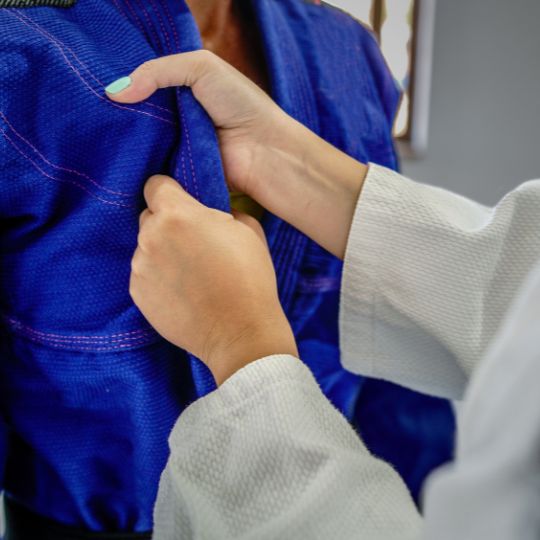
grip fighting using the gi

Improve Your Martial Arts Grip Strength With Jedd Johnson

Are you tired of losing your grip during intense martial arts sessions? Do you find yourself wondering, “How can I improve my martial arts grip strength?” Look no further! In this exclusive interview, I sit down with Jedd Johnson, a grip strength expert and top competitor in grip sport, to discuss the secrets of developing exceptional grip strength for martial artists. 

With an impressive list of accomplishments under his belt and years of experience honing his craft, Jedd shares invaluable insights on different types of grip strength, effective training tools, and common mistakes to avoid. Stay tuned as we dive into the world of grip strength training and unlock the potential to elevate your martial arts game to the next level!

grip fighting using the gi
Grip strength is essential for martial arts, which makes frequent use of various grabbing techniques referred to broadly as “chin na, or qín ná 擒拿 in Chinese Kung Fu.

Disclaimer Notice

Jedd Johnson, Master of Grip Sport

Ashe Higgs: Jedd, can you give us a brief intro to your background and how you got into strength training and grip strength training specifically?

Jedd: My journey with lifting started when I played baseball and basketball in high school, but I was always inspired by movies like Rocky and pro wrestling. After an injury ended my baseball career, I got serious about strength training, exploring bodybuilding, powerlifting, and Olympic weightlifting. My strong point was overhead work, which led me to compete in strongman contests.

In 2003, I learned about a grip contest in Punxsutawney, Pennsylvania. I figured grip training would benefit strongman, so I signed up. Injuries eventually took me out of strongman, but I continued with grip training, and it’s been my main focus since 2006.

Ashe Higgs: Impressive! And you have quite a list of accomplishments in grip sport, right?

Jedd: Yeah, I’ve won the national championship in my weight class or overall several times. My first overall win was in 2014, and I’ve either won or taken second place every year since. I’ve also been in the top 10 list for grip sport over the last 20 years.

Grip Strength for Martial Artists

Ashe Higgs: Fantastic. Now, let’s talk about the application of grip strength in martial arts, which is the focus of our audience.

Jedd: Absolutely. I actually have a product called “Grip Training for MMA Athletes,” which demonstrates how grip strength can benefit martial artists. Developing full-body strength, including grip strength, can give you a significant advantage in martial arts.

Master of Grip, Jedd Johnson
thegripauthority.com

Key Takeaways

  • Start with one day a week of intense lower arm training and gradually increase.
  • Start with a full-body general warmup before moving on to grip training.
  • Gradually work towards specificity, moving from full body to arms, and then grip training.
  • Combine grip training with existing movements for time efficiency and effectiveness.
  • Integrate grip training with multi-joint exercises for the upper body, like pull-ups with rolling handles or using fat grips on dumbbells for rows and curls.
  • Utilize thick bar training and open hand exercises for general hand strength.
  • Focus on low reps for building absolute grip strength (3-5 sets of 3-5 reps).
  • Include exercises that promote blood flow in your hands for recovery, such as sledgehammer finger walks, rotation balls, sledgehammer rotations, extensor work with rubber bands, rice digs, or sand digs.
  • Monitor your results closely to avoid overtraining and promote recovery.

Types of Grip Strength

Ashe Higgs

Alright, let’s dive a bit deeper into grip strength training. Many people might only think of crushing strength, like closing grippers. Could you give us a breakdown of the different types of grip strength and how they’re organized in competitions?

Jedd

Definitely. There are three main types of grip strength:

  1. Crushing.
  2. Pinching.
  3. Support grip. 

Crushing involves grippers and other exercises that require a dynamic movement of the fingers. Pinching is a type of grip strength where the thumb is the limiting factor. Examples include the two-hand pinch and block weight lifting. The last main type is support grip, which is static and requires holding onto a bar or a thick handle without any finger movement. Thick bar lifting is also part of support grip and includes exercises like the inch dumbbell and axle lifts.

Tools and Training Methods for Grip Strength

Ashe Higgs

What are some common tools and training methods for grip strength? In traditional martial arts, they had various tools for training grip strength, like the jar grip. Can you talk about some modern tools that people use?

Jedd

Certainly. There are numerous modern grip training tools available, like hub lifting, which is grouped with pinching exercises. There are also many rolling handles on the market made of steel, iron, or plastic, each presenting different challenges. The Saxon bar is another popular pinch implement, similar to an axle or thick bar deadlift. Some other common implements include the IronMind Little Big Horn, which resembles a cone and is used for training to pick up anvils.

nigiri game
traditional gripping jars, or Nigiri Game in Japanese

In grip sport competitions, we often see medleys, which are a series of challenges to be completed within a time limit, and vertical support exercises, which require gripping an object in a vertical position. All these different tools and exercises help athletes develop a well-rounded grip strength, essential for various applications, including martial arts.

Unconventional Tools and Fun Training Techniques

Ashe Higgs

So we’ve discussed different types of grip strength and various training tools. What are some unconventional tools for training grip strength, or some that are just fun to train with?

Jedd

One of the more uncommon and challenging tools is the Finnish ball. It’s a ball that sits on top of a plate and pins directly to a loading pin, requiring a key pinch grip. The key pinch can be very frustrating, especially for individuals with large hands, as they’re unable to cover the ball as well as someone with smaller hands. However, this evens the playing field for competitors with smaller hands. The hub is another implement where having large hands can be a disadvantage.

rolling handle lift
Jedd training a rolling handle lift.

Ashe Higgs

The key grip is also essential in techniques like tearing decks of cards. I believe this type of grip involves more of the intrinsic muscles of the hand rather than finger or wrist flexors.

Jedd

That’s correct. Developing strength in the key grip can be beneficial in various applications, like gripping someone’s Gi or clothing material during martial arts. It’s essential to have strength in different ways.

The author ripping a deck of cards in half.

Training Tips and Guidelines

Ashe Higgs

I’m looking for general guidelines on warmup and cooldown, volume, intensity, and training frequency, and how to avoid overtraining and keeping hands healthy. Can you give me some tips on these aspects?

Jedd

Certainly. For warmup, start with a full-body general warmup before moving on to grip training. Bodyweight squats, light barbell squats, goblet squats, push-ups, presses, and curls can help. Gradually work towards specificity, moving from full body to arms, and then grip training.

Regarding loading and volume, I recommend focusing on low reps for building absolute grip strength. Aim for 3-5 sets of 3-5 reps, or even lower if you want to peak your strength. Keep in mind that everyone is different, and factors like your job and daily hand use will affect your ability to handle the volume in grip training.

To avoid overtraining and promote recovery, monitor your results closely. If you’re not seeing progress, it could be due to technique flaws or doing too much without enough recovery. To aid recovery, focus on exercises that promote blood flow in your hands, such as sledgehammer finger walks, rotation balls, sledgehammer rotations, extensor work with rubber bands, rice digs, or sand digs. These exercises can help keep your hands healthy and improve recovery time.

Beginner’s Grip Strength Training for Martial Arts

Ashe Higgs

For beginners looking to improve grip strength for martial arts, what would you recommend in terms of training schedule, volume, and intensity?

Jedd

I work with a lot of wrestlers, and we focus on integrating grip training with multi-joint exercises for the upper body, like pull-ups with rolling handles or using fat grips on dumbbells for rows and curls. Starting with one day a week of intense lower arm training and gradually increasing from there is a good approach. Exercises like wrist curls, reverse wrist curls, and reverse curls with an easy curl bar can help introduce grip training stresses to beginners. Thick bar training and open hand exercises are also beneficial for general hand strength.

Ashe Higgs

What do you think is the lowest hanging fruit in training grip strength for martial arts?

Jedd

Integrating grip training with exercises that martial artists are already doing is a practical approach. Using thick bars, hanging globes, or cannonballs for pull-ups and other exercises helps develop grip strength without adding extra isolated exercises. The key is to combine grip training with existing movements, which can be both time-efficient and effective.

Common Mistakes in Grip Strength Training

Ashe Higgs

What are some of the most common mistakes that beginners make when they start grip strength training?

Jedd

One common mistake is trying to do too much too soon, which can lead to injuries in the forearm or elbow. It’s important to start with conditioning and gradually increase the intensity and volume of training. Another mistake is focusing too much on grippers. While grippers are a popular and convenient way to train grip strength, the strength developed from grippers doesn’t always correlate well or carry over to sports performance. It’s crucial not to rely solely on grippers for grip training and to incorporate a variety of exercises to improve overall grip strength.

Ashe Higgs

That makes sense. And you know, going back to what we were saying at the beginning, there are basically three different types of grip strength, and crushing strength displayed with grippers won’t necessarily transfer over to an activity like martial arts or wrestling, because you can’t completely wrap your fingers around your opponent the same way you would with grippers. So with that, why don’t you tell us a bit about your coaching programs and where people can find you?

Jedd Johnson’s Coaching Programs

Jedd

I have two coaching programs. The first one is a basic instructional website called thegripauthority.com. It has around 1,000 posts on grip training, including a few on martial arts training. Most of the content is focused on grip sport training, but the techniques covered can help iron out many factors that athletes need to contend with when trying to perform well on any given implement.

The second coaching program is more of a virtual coaching setup. I create a week-long program for clients based on their needs. About 50% of my clients are grip sport competitors, while the rest are looking to improve their grip strength for other reasons. I’ve worked with people training for the Marines and others who needed to meet specific physical requirements. I set up a week’s worth of work for them, and they complete the training and send it back to me. I update it every week, as it’s challenging to set up multiple weeks of training for those with less experience in grip training.

This coaching program is called the Grip Task Force. We start with a coaching call to identify the client’s goals, and then I send them a week’s worth of training. They send it back, I update it, and we do a follow-up call every two weeks for Q&A and video analysis. During their time in the Grip Task Force coaching program, they also get access to thegripauthority.com for additional resources and information.

You can find me and my coaching programs at thegripauthority.com and by searching for Grip Task Force online.

Conclusion

As we conclude our insightful discussion with Jedd Johnson, we are left with valuable knowledge and methods to improve our martial arts grip strength. We’ve delved into the various types of grip strength, explored both conventional and unconventional training tools, and learned how to avoid common pitfalls in our training. With Jedd’s expert guidance, martial artists from all disciplines can now take their grip strength to new heights and unlock untold potential in their practice. As you embark on your own path to grip mastery, remember the wisdom shared by Jedd and embrace the power of a strong grip to achieve unparalleled success in the world of martial arts.

I extend my heartfelt gratitude to Jedd for taking the time to share his expertise and insights with me. His dedication to the art of grip strength and passion for coaching others have made this interview truly enlightening. Jedd’s emphasis on technique as a crucial factor in grip strength development reminds us that, like martial arts, proper coaching can save years of trial and error in our quest for mastery.

To all our readers looking to improve their grip strength for martial arts or other pursuits, we highly recommend considering Jedd’s coaching programs, such as The Grip Authority and Grip Task Force. With his guidance, you can unlock the secrets of exceptional grip strength and hone the techniques that will elevate your performance to new heights. Don’t miss this opportunity to learn from a true expert in the field and enhance your martial arts journey with the power of a strong grip.

Support My Work

Show Some Love

If you found this article useful, you can support my blog by making a purchase from our Amazon Storefront and help me continue to provide valuable content.

If you’re ready to embark on your own journey of personal growth through martial arts, here are three ways I can help:

  1. Consider our small group or online martial arts classes to start your practice.
  2. Explore our other articles to deepen your understanding.
  3. Book a free discovery call to find out if one of our programs is right for you.
Start your journey to mastery today!

Read More!

About the Author

Ashe Higgs, I Liq Chuan Master Instructor & L2 Nutrition Coach

Ashe is a highly skilled martial arts instructor and certified nutrition coach with over two decades of experience in the field. He holds a Master Instructor certification in I Liq Chuan under Sam FS Chin, making him one of only several individuals worldwide to hold the title. He has taught classes and workshops worldwide and is passionate about helping others achieve their fitness and wellness goals.

With a background in full-contact fighting and a Level 2 certification from Precision Nutrition in nutrition coaching, Ashe is a well-rounded expert in the fields of martial arts. In addition to his expertise, he has a wealth of experience in teaching and mentoring others. He has a natural ability to connect with his students and inspire them to reach their full potential.

Read more about Ashe here…

Disclaimers & Conflicts of Interest

I am not a doctor or a lawyer, and the information provided should not be considered medical or legal advice.

The information provided is for educational and informational purposes only and should not be used as a substitute for professional legal or medical advice, diagnosis, or treatment. Consult your doctor or a qualified healthcare professional before making any changes to your diet, exercise routine, or lifestyle.

Please note that some of the links provided in this content may be affiliate links, meaning that I may receive a small commission if you purchase through them. However, please rest assured that any products or services recommended are based on my personal experience and belief in their value. I only recommend products or services that I have personally used and believe in.
Posted on

Karate

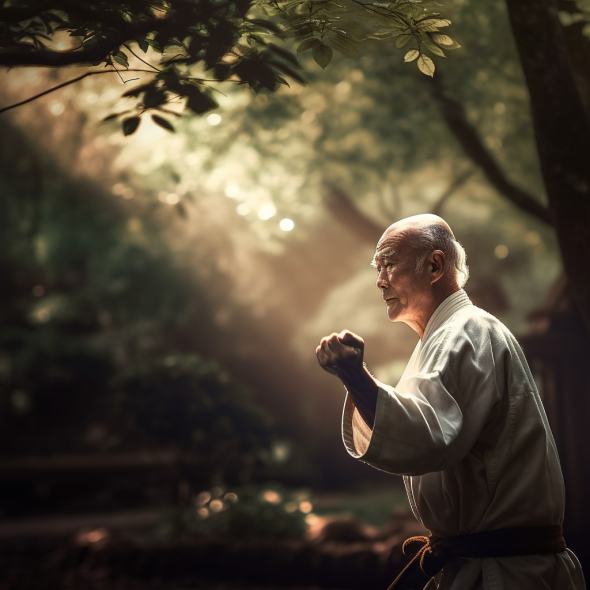
Old Master of Karate

The Art of the Empty Hand

Karate is a popular martial art that has captured the hearts of millions worldwide. Its journey from Okinawa to the global stage has been exciting, with the art making its debut at the karate Olympics in 2020.

Old Master of Karate
This article is part of our series on other martial arts. Check out the full list of martial arts here.

This ancient practice has also gained immense popularity in pop culture, thanks to iconic movies like the Karate Kid franchise, which inspired a whole new generation of martial arts enthusiasts, including me!

As a kid, I grew up without my dad, so the story of Daniel-san and Mr. Miyagi grabbed hold of my heart. Although I eventually pursued the Chinese martial art of I Liq Chuan, The Karate Kid played a huge role in my desire to learn martial arts. This article will take you on a whirlwind tour of karate’s history, styles, training methods, and relevance in the modern world.

Where Karate Originated

Karate originated in Okinawa, an island in Japan heavily influenced by Chinese martial arts. Karate was believed to be born out of the fusion between native Okinawan fighting arts and the Chinese Fukien White Crane style. 

Fukien White Crane, a dance of elegance, weaves winding, coiling movements with explosive strikes. Emulating the white crane’s grace, practitioners flow effortlessly, harmonizing mind, body, and spirit. In this poetic dance, softness meets power, unveiling the art’s mesmerizing beauty and deadly prowess. (If you’re interested in learning more about the origins of kung fu, check out our article on that topic or read my article comparing Karate to Kung Fu here!)

Back to top…

When Karate Was Invented: A Martial Art Born of Necessity

It’s hard to pinpoint exactly when karate was invented, as it evolved gradually over several centuries. However, Okinawa’s turbulent history and the need for self-defense among its people led to the development of this unique martial art.

Okinawa, a small island in the Pacific, has a rich history of martial arts that dates back centuries. This island has faced much oppression, including the brutal control of the Japanese Shogun, resulting in the prohibition of weapons. This forced the Okinawans to develop their own fighting techniques, resulting in karate’s birth. Through karate, Okinawa found a way to defend itself. Through the centuries, karate has become an integral part of their culture and identity, embodying the spirit of resilience and determination of its people.

Back to top…

Karate Training Methods

Kihon: The Basics

Kihon, the foundation of karate, is more than just basic techniques. It is the building block of any art, the essence of the practice. It represents the very fundamentals of movement, and it holds the key to growth and development as martial artists. Kihon demands complete focus and dedication, forcing one to master the basics before moving on to more advanced techniques. It is a humbling reminder that even the most advanced techniques are built upon a solid foundation of discipline and hard work. Kihon is the bedrock of karate, the soul of the practice, and the key to success.

Back to top…

The Flow of Kata: Karate’s Fighting Patterns

Kata is not just a series of choreographed movements; it is a window into the very heart of karate. The kata sequences contain fundamental movement patterns of attack and defense, representing the very essence of karate practice. Each movement is infused with a deep sense of purpose and meaning, representing the culmination of centuries of martial arts tradition. Like kihon, kata demands complete attention, forcing one to focus on the present moment to hone movement to perfection. In kata, one discovers the beauty and power of karate, connecting with the soul of the art.

Back to top…

The Challenge of Kumite:

Kumite, the sparring aspect of karate, is a dynamic and exhilarating experience that requires intense focus, precision, and timing. It involves two (or more) practitioners engaging in mutual combat, using their techniques to test their skills and abilities. Kumite demands physical strength, agility, mental toughness, and strategic thinking. It is a reflection of the practitioner’s training, allowing them to put their skills to the test in a controlled environment. Through kumite, the practitioner can gain a deeper understanding of their art and develop the discipline and determination required to excel in their training.

Back to top…

Karate Training Tools: Makiwara and Nigiri Game

Makiwara

The makiwara is a traditional Okinawan training tool to develop punching power and technique. It consists of a padded wooden board mounted on a post, which karate practitioners repeatedly strike to condition their knuckles, wrists, and fists. The makiwara is designed to provide resistance and feedback, helping to improve striking accuracy and power.

Nigiri Game

The Nigiri Game is another traditional Okinawan training tool consisting of two large, heavy jars with narrow openings. Karate practitioners grip these jars to develop grip strength, forearm power, and wrist stability, which are crucial for effective striking and grappling.

Back to top…

Kobudo: Karate with Weapons

Kobudo, the practice of traditional Okinawan weapons, is often associated with karate, though it is a separate discipline. Many karate schools also teach kobudo as part of their curriculum. Some of the most common weapons used in Kobudo include the bo (staff), sai (forked truncheon), tonfa (handled baton), and nunchaku (linked sticks). Learning kobudo helps karate practitioners enhance their understanding of body mechanics, distance, and timing, which are crucial in unarmed combat.

Back to top…

Exploring Different Karate Styles

Shotokan Karate

Shotokan, the embodiment of the spirit of karate, is a martial arts style developed by Gichin Funakoshi and his son, Gigo Funakoshi. As a pioneer in popularizing “karate-do,” Gichin’s legacy is honored by the countless students who continue to train in his footsteps. Shotokan’s principles are rooted in the ancient art of karate, reflecting values of discipline, respect, and compassion. Through kata and kumite, Shotokan emphasizes the importance of mastering the fundamentals before advancing to more complex techniques.

The philosophy of Shotokan rests on the foundation of the Twenty Precepts of Karate, which emphasizes the importance of cultivating one’s character. Shotokan is more than just a style; it is a way of life that reflects each practitioner’s dedication, perseverance, and indomitable spirit.

Back to top…

Kyokushin Karate

Masutatsu Oyama’s Kyokushin Karate is a force to be reckoned with, embodying the spirit of discipline, strength, and determination. Oyama’s vision was to create a style of karate that would focus on direct hits to the opponent’s body with thrusts or kicks, deviating from other traditional schools of karate. With a dedicated group of teachers, Oyama’s organization grew, and they demonstrated his karate worldwide. Oyama hand-picked instructors who could market the style and gain new members, spreading Kyokushin throughout the globe. 

Masutatsu Oyama, the founder of Kyokushin Karate, was an unstoppable force. He was famous for his incredible fighting abilities, honed through his legendary fights with bulls. These were no ordinary fights; Oyama would take on the bull with his bare hands, demonstrating his strength and skill in the most incredible ways.

Kyokushin Karate is also famous for its 100-man kumite, a grueling test of strength, endurance, and willpower. The kumite tests the practitioner’s ability to withstand intense physical and mental strain, pushing them to their absolute limits. Each fighter must take on 100 opponents in succession, each one challenging the fighter’s stamina, technique, and resolve. This is not a test for the faint of heart; it requires incredible dedication, discipline, and courage to complete. But for those who do, the reward is immense, as they emerge from the experience with a renewed sense of purpose and a deep understanding of their inner strength. The 100-man kumite is a true test of the practitioner’s spirit and a testament to the power of Kyokushin Karate to transform and inspire.

Back to top…

Goju-Ryu

Gōjū-ryū, the “hard-soft style” of Okinawan karate, blends the principles of hard and soft techniques from the Bubishi, the ancient martial arts book used by Okinawan masters. Gō refers to closed-hand techniques or straight linear attacks, while jū refers to open-hand techniques and circular movements. Gōjū-ryū incorporates both circular and linear movements, combining hard striking attacks with softer open-hand circular techniques for attacking, blocking, and controlling the opponent. Breathing correctly is essential, especially in the Sanchin and Tensho katas, which are core components of the style.

Gōjū-ryū originated from the teachings of Higaonna Kanryō, who integrated gō-no and jū-no kenpō into one system. His style became known as Naha-te, which included other earlier teachers such as Arakaki Seisho and the Kojo family style. However, Japan’s annexation of Okinawa and its defeat of China in the Sino-Japanese War led to the loss of the older schools of Naha-te.

Chōjun Miyagi was Kanryō’s most prominent student, who introduced Tensho, adapted from Rokkishu of Fujian White Crane, and formulated the Gōjū-ryū style, which emphasizes training for self-defense and cultivating intellect before strength. In addition, Miyagi believed karate-do should build character, conquer human misery, and find spiritual freedom. His philosophy of integrating hard and soft styles permeates the practice of Gōjū-ryū, both in karate and life.

Back to top…

Karate FAQ

What Is A Karate Uniform Called?

The karate uniform is called a Keikogi (稽古着). It is also known as dōgi (道着) or keikoi (稽古衣), or just gi for short. The design varies depending on the style and origin. Okinawan gis tend to be lighter and more breathable, while Japanese gis are heavier and stiffer. Judo and Brazilian Jiu-Jitsu gis are typically thicker and more durable, yet due to the nature of their respective sports, which involve more grappling and ground techniques that specifically use the gi. The Kung Fu style called Shuai Jiao also focuses heavily on “jacket wrestling” and uses a special top called the xiongpi 雄皮, or “hero skin.”

The gi holds the essence of discipline, respect, and tradition deeply ingrained in the martial arts culture. Wearing a uniform is more than just donning an outfit; it symbolizes discipline, readiness, and respect. Compliance with uniform standards goes beyond personal appearance; it reflects the values and principles we hold dear. In martial arts, it is a testament to our commitment to training, our willingness to learn, and our dedication to our art. The uniform is a unifying force that brings us together, forging a bond that transcends individual differences and strengthens our collective identity. It is a visual representation of the unity and cohesion that is the hallmark of martial arts training.

Back to top…

What Karate Belts Are There?

Traditionally, karate had no belts. Jigoro Kano, the founder of judo, contributed to the concept of kyu and dan ranks, which represent levels of expertise. The introduction of the belt system we know today followed, with the most common karate belt order in the US progressing as white, yellow, green, purple, blue, brown, and black.

Back to top…

Can Karate Be Self-Taught?

While self-directed learners can progress in martial arts, a highly qualified instructor can shorten the learning curve and spot weaknesses and mistakes. It’s always better to learn from a knowledgeable teacher who can guide you through the complexities of the art. In the 21st century, various online programs are now available for those who might not be able to get to a dojo regularly. We have a full article about the pros and cons of learning martial arts at home and online if you want to read more about this topic.

Back to top…

Can Karate Be Used For Self-Defense?

Karate can be an effective means of self-defense, especially for those who follow the Matrix of training. This sequence consists of 1. Remedial exercises, 2. Rehearsed drills, 3. Reactive drills, and 4. Resistance partner training (i.e., sparring). In particular, Kyokushin karate produces effective fighters who are well-conditioned for contact, making it a strong choice for self-defense.

Back to top…

Can Karate Beat Boxing?

Whether karate can beat boxing depends on the individual practitioner and their adherence to the Matrix of training. Boxers have an advantage in footwork and striking, as they specialize in those techniques and focus on targeting the head and face. On the other hand, karate practitioners have an advantage in leg kicks, sweeps, throws, and a more diverse arsenal of techniques.

Back to top…

Why Karate Doesn’t Work In MMA

Some argue that karate doesn’t work in MMA, but exceptions exist. For example, Lyoto Machida, a former UFC champion, successfully employed his karate skills in MMA. However, he also emphasized that adapting traditional karate techniques to meet the demands of the sport is necessary.

Back to top…

Karate Today: A Living Tradition

Amidst the backdrop of the 21st Century, karate still stands as a testament to the indomitable spirit of resilience and determination that lies deep within us all. A dance of grace and power, it weaves an intricate story of courage and wisdom, a living legacy that transcends the boundaries of its homeland. Born from the crucible of oppression, karate emerged as a beacon of hope, an embodiment of the human spirit’s ability to overcome adversity and rise above the challenges that life presents.

Through the elegant interplay of kata and kumite, practitioners of this ancient art form find stillness and strength in the harmonious union of mind, body, and spirit. Students are guided by the wisdom of the Old Masters; their teachings are etched into the very fabric of the art of the empty hand.

So let us honor the spirit of karate, for in the pursuit of mastery, we are all united in our quest for self-discovery, growth, and the pursuit of a life lived as the best version of ourselves. In the art of karate, we find not only a means of self-defense but a profound reflection of the human spirit and a celebration of the discipline and strength that lies within us all.

Back to top…

Start your journey to mastery today!

Read More!

About the Author

Ashe Higgs, I Liq Chuan Master Instructor & L2 Nutrition Coach

Ashe is a highly skilled martial arts instructor and certified nutrition coach with over two decades of experience in the field. He holds a Master Instructor certification in I Liq Chuan under Sam FS Chin, making him one of only several individuals worldwide to hold the title. He has taught classes and workshops worldwide and is passionate about helping others achieve their fitness and wellness goals.

With a background in full-contact fighting and a Level 2 certification from Precision Nutrition in nutrition coaching, Ashe is a well-rounded expert in the fields of martial arts. In addition to his expertise, he has a wealth of experience in teaching and mentoring others. He has a natural ability to connect with his students and inspire them to reach their full potential.

Read more about Ashe here…

Disclaimers & Conflicts of Interest

I am not a doctor or a lawyer, and the information provided should not be considered medical or legal advice.

The information provided is for educational and informational purposes only and should not be used as a substitute for professional legal or medical advice, diagnosis, or treatment. Consult your doctor or a qualified healthcare professional before making any changes to your diet, exercise routine, or lifestyle.

Please note that some of the links provided in this content may be affiliate links, meaning that I may receive a small commission if you purchase through them. However, please rest assured that any products or services recommended are based on my personal experience and belief in their value. I only recommend products or services that I have personally used and believe in.

Posted on

Unlocking the Secrets of Daito-Ryu Aikijujutsu: The Martial Art Behind Aikido

Introduction:

Daito-Ryu Aikijujutsu, an enigmatic martial art with deep roots in Japanese history, offers profound insights into the world of self-defense. This article explores the fascinating origins and history of Daito-Ryu, its legendary founder Takeda Sokaku, and how it inspired Aikido. We also delve into Ellis Amdur’s captivating book, “Hidden in Plain Sight,” discuss today’s prominent Daito-Ryu teachers, and compare it to the Chinese martial art I Liq Chuan.

Origins and History:

Daito-Ryu Aikijujutsu dates back over 900 years, originating in the Heian period. Samurai warriors developed this martial art to overcome enemy soldiers clad in armor. In time, Daito-Ryu evolved into a sophisticated system, focusing on joint locks, throws, and strikes.

A traditional Japanese woodblock print showing Samurai engaged in jiujitsu practice.

Takeda Sokaku: The Modern Reviver:

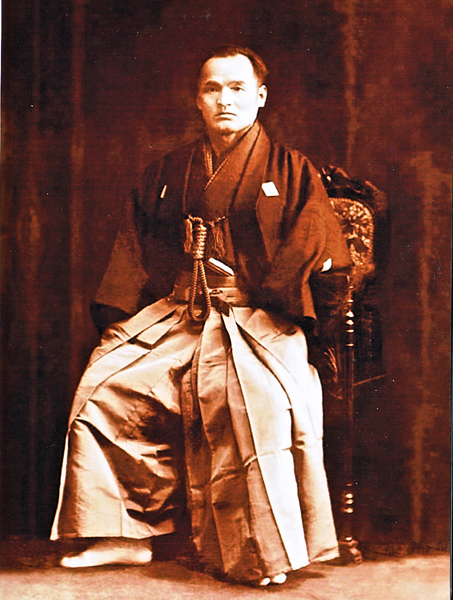
Takeda Sokaku, born in 1859, is the figure most responsible for Daito-Ryu’s modern revival. As a martial artist of exceptional skill, Sokaku traveled Japan, honing his abilities and learning from various masters. In the late 19th century, he started teaching Daito-Ryu, emphasizing the art’s effectiveness and adaptability.

His rigorous training and relentless pursuit of knowledge led him to revive Daito-Ryu Aikijujutsu, making it accessible to modern practitioners. Takeda’s relentless passion and exceptional skills earned him great respect in the martial arts community, and his legacy continues to inspire generations of martial artists worldwide.

Takeda Sokaku
source: http://www.daito-ryu.org/

Influences on Aikido:

Morihei Ueshiba, the founder of Aikido, trained extensively under Takeda Sokaku. Daito-Ryu’s principles, such as blending with an opponent’s energy, heavily influenced Aikido’s development.

While both Aikido and Daito-Ryu Aikijujutsu have a shared lineage, their philosophies and techniques have diverged significantly. Here, we compare and contrast these two martial arts to better understand their similarities and differences.

Philosophy:

Aikido, created by Morihei Ueshiba, places a strong emphasis on non-aggression, harmony, and blending with an opponent’s energy. Its primary goal is to neutralize attacks without causing unnecessary harm. Daito-Ryu, on the other hand, retains its samurai roots, focusing on the practicality and effectiveness of self-defense. This martial art aims to subdue opponents with powerful techniques, making it more aggressive than Aikido.

Techniques:

Aikido’s techniques are characterized by fluid, circular movements that redirect an opponent’s energy. Joint locks and throws are executed with a sense of flow and minimal resistance. In contrast, Daito-Ryu employs a more direct approach, using powerful joint locks, strikes, and throws to neutralize an attacker. Its techniques often involve sudden, explosive movements that can be quite forceful.

Training Methods:

Aikido training typically emphasizes cooperative practice, where partners work together to understand and execute techniques. This approach fosters a sense of mutual growth and understanding. In Daito-Ryu, training can be more intense and demanding, more comparable to the rigorous training found in competitive Judo or Brazilian Jiu-Jitsu.

In summary, while Aikido and Daito-Ryu Aikijujutsu share common origins and some fundamental principles, they have evolved into distinct martial arts.

Aiki in Daito-Ryu:

The kanji for “aiki” (合気) is composed of two characters:

  1. 合 (ai): This character means “to join” or “to unite,” signifying harmony or blending.
  2. 気 (ki): This character represents “breath,” which is considered the root of the life force that flows through all living things. In traditional Eastern thought, breath is believed to be a vital energy responsible for sustaining life.

In Daito-Ryu Aikijujutsu, Aiki refers to the unification of mind, body, and breath, resulting in the development of unusual power. This concept is at the core of the martial art and goes beyond the idea of merely blending with an opponent’s energy. By cultivating aiki, practitioners can generate a potent force that allows them to perform techniques with enhanced efficiency and effectiveness.

Critics of Modern Aikido:

Many critics of modern Aikido argue that the cultivation of aiki has been lost or diluted in the contemporary practice of the art. They believe that the emphasis on harmony and non-aggression in Aikido has led to a diminished focus on the development of aiki as a source of power. As a result, some assert that Aikido techniques have become less potent and practical for real-life self-defense situations.

“Hidden in Plain Sight” by Ellis Amdur:

In his book “Hidden in Plain Sight,” Ellis Amdur explores the internal aspects of Daito-Ryu. Amdur argues that the martial art’s true power lies in cultivating the body’s fascia, a connective tissue that unites muscles, bones, and organs. By developing this tissue, practitioners can generate immense power and control in their movements.

Daito-Ryu and Hapkido

“Daito-ryu is recognized as the mother of Hapkido. The founder of Hapkido, Choi Yong-Sool, studied Daito-ryu jiujitsu under Takeda Sokaku in Japan and later combined his learnings with various Korean martial arts and philosophies, creating a new and distinct martial art system. Today, Hapkido practitioners still honor the origins of their art by incorporating the principles and techniques of Daito-ryu in their training.”

Prominent Teachers of Daito-Ryu Today:

Daito-Ryu continues to flourish under the guidance of dedicated teachers. Katsuyuki Kondo, a direct student of Takeda Tokimune, Sokaku’s son, is a well-known figure in the Daito-Ryu community. Other prominent instructors include Seigo Okamoto, the founder of the Roppokai branch, as well as Dan Harden, Howard Popkin, and Roy Goldberg, all leading authorities in the United States.

In 2019, Roy Goldberg participated with the founder of Zhong Xin Dao I Liq Chuan, Grandmaster Sam FS Chin in a short series of joint seminars in NY State.

Comparison to I Liq Chuan:

I Liq Chuan, a Chinese martial art, shares some similarities with Daito-Ryu. However, I Liq Chuan relies more on Tai Chi and Zen principles, while Daito-Ryu has its roots in Japanese samurai traditions.

I Liq Chuan, a Chinese martial art, places great emphasis on the development of fullness, balance, and sensitivity through various exercises and unique training methods. Among these methods is the practice of spinning and sticky hands, which is sometimes referred to as moa sao 磨手 or “grinding hand” in Chinese. Sticky hand is referred to as chi sao 黐手; the entire system of partner training methods was sometimes referred to as chi moa sao 黐磨手.

Basic Exercises:

I Liq Chuan’s basic exercises are designed to help practitioners gain a strong foundation in body awareness and movement. These exercises focus on cultivating mindfulness, proper posture, and alignment. By practicing these fundamental drills, students can improve their balance, fluidity, and overall control over their bodies.

Spinning and Sticky Hands Training:

The spanning and sticky hands training in I Liq Chuan is a distinctive aspect of the art. This practice involves engaging with a training partner in a series of continuous, circular movements designed to develop sensitivity and responsiveness to changes in pressure, direction, and force. Through this close contact, practitioners learn to read and anticipate their partner’s intentions, allowing them to adapt and react effectively in self-defense situations.

The concept of “moa sao” or “grinding hand” highlights the importance of maintaining contact and continuous pressure during this practice. By refining their skills in spinning and sticky hands, I Liq Chuan practitioners can develop a heightened sense of fullness, balance, and sensitivity, which are essential qualities for effective self-defense and martial arts practice.

Conclusion:

In conclusion, Daito-Ryu Aikijujutsu, a martial art with a rich history, deeply influenced the development of both Aikido and Hapkido, although the arts have since diverged in philosophy and technique. As a result of criticism surrounding Aikido’s potential loss of aiki power, many Aikido practitioners are returning to its mother art, Daito-Ryu, to rediscover the source of Morihei Ueshiba’s exceptional abilities. Today, Daito-Ryu thrives under prominent instructors like Katsuyuki Kondo and Roy Goldberg, and shares some similarities with the Chinese martial art I Liq Chuan. Both arts, with their unique approaches and training methods, continue to offer valuable insights into the world of self-defense and personal growth.

Start your journey to mastery today!

Read More!

About the Author

Ashe Higgs, I Liq Chuan Master Instructor & L2 Nutrition Coach

Ashe is a highly skilled martial arts instructor and certified nutrition coach with over two decades of experience in the field. He holds a Master Instructor certification in I Liq Chuan under Sam FS Chin, making him one of only several individuals worldwide to hold the title. He has taught classes and workshops worldwide and is passionate about helping others achieve their fitness and wellness goals.

With a background in full-contact fighting and a Level 2 certification from Precision Nutrition in nutrition coaching, Ashe is a well-rounded expert in the fields of martial arts. In addition to his expertise, he has a wealth of experience in teaching and mentoring others. He has a natural ability to connect with his students and inspire them to reach their full potential.

Read more about Ashe here…

Posted on

Aikido vs. I Liq Chuan: A Comparison of Two Unique Martial Arts

Introduction

Aikido and I Liq Chuan are two fascinating martial arts with unique philosophies and techniques. Although they share some similarities in terms of principles, their origins, development, and approaches to self-defense differ significantly.

This article will compare and contrast Aikido and I Liq Chuan, delving into their origins, philosophies, and training methodologies.

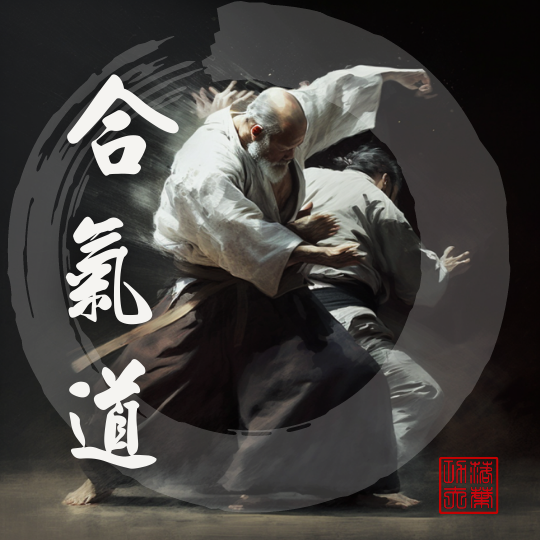
The Kanji for Aikido (合気道) consists of three characters:

  • 合 (ai) meaning “harmony” or “to unite”
  • 気 (ki) meaning “energy” or “spirit”
  • 道 (dō) meaning “way” or “path”
Aikido
Aikido can be translated as “the way of harmony with the spirit.

Aikido: The Art of Peace

Origin: Aikido, a modern Japanese martial art, was developed in the early 20th century by Morihei Ueshiba. Ueshiba’s extensive training in Daito-Ryu Aikijutsu, a classical martial art known for its joint-locking and throwing techniques, significantly influenced the creation of Aikido. Ueshiba sought to develop a martial art that emphasized harmony and the reconciliation of conflict.

Philosophy: Aikido, often referred to as “the art of peace,” focuses on blending with an attacker’s movements to neutralize their aggression. This martial art emphasizes using minimal force, redirecting an opponent’s energy, and maintaining balance. Aikido practitioners strive to protect both themselves and their opponents, seeking a harmonious resolution to conflict.

Training: Aikido training includes practicing basic techniques, such as joint locks and throws, as well as blending exercises and weapons training. Students learn to respond to various attacks, including strikes, grabs, and weapon assaults. Aikido emphasizes fluid movements, flexibility, and body coordination.

I Liq Chuan: The Martial Art of Awareness

Origin: I Liq Chuan, or “Mental-Physical Martial Art,” is a Chinese martial art that traces its roots back to the Hakka people in the Guangdong province of China. The founder, Chin Lik Keong, developed I Liq Chuan by synthesizing elements from various martial arts, including Shaolin, Phoenix Eye, and Xingyi-Bagua. The art was later refined and systematized by his son, Grandmaster Sam FS Chin as Zhong Xin Dao.

I Liq Chuan (意力拳) is written in Chinese characters (hanzi), which are also used in Japanese as kanji. The three characters are:

  • 意 (yì) meaning “mind” or “intention.”
  • 力 (lì) meaning “power” or “force.”
  • 拳 (quán) meaning “fist” or “boxing.”
I Liq Chuan
I Liq Chuan can be translated as “Mental-Physical Martial Art.”

Philosophy: The central philosophy of I Liq Chuan is the cultivation of awareness and mindfulness, both in and out of combat situations. Practitioners focus on understanding the principles of Yin and Yang, as well as the nature of force and its use. I Liq Chuan emphasizes the development of “the inner feel” and the ability to adapt to changing circumstances.

Training: I Liq Chuan training consists of solo exercises, partner drills, and sparring. Students learn various techniques to manipulate an opponent’s balance and structure, using joint locks, strikes, and throws. I Liq Chuan training emphasizes the development of sensitivity, body mechanics, and mental focus through its unique spinning and sticky hands training.

Conclusion

In conclusion, Aikido and I Liq Chuan are unique martial arts that share a common focus on harmony, balance, and adaptation. While Aikido is rooted in Japanese Daito-Ryu Aikijutsu and emphasizes blending with an opponent’s energy, I Liq Chuan is a Chinese martial art that emphasizes cultivating awareness and internal power. Both arts offer practitioners valuable tools for self-defense and personal growth, with a focus on understanding the interconnected nature of mind, body, and environment.

Start your journey to mastery today!

Read More!

About the Author

Ashe Higgs, I Liq Chuan Master Instructor & L2 Nutrition Coach

Ashe is a highly skilled martial arts instructor and certified nutrition coach with over two decades of experience in the field. He holds a Master Instructor certification in I Liq Chuan under Sam FS Chin, making him one of only several individuals worldwide to hold the title. He has taught classes and workshops worldwide and is passionate about helping others achieve their fitness and wellness goals.

With a background in full-contact fighting and a Level 2 certification from Precision Nutrition in nutrition coaching, Ashe is a well-rounded expert in the fields of martial arts. In addition to his expertise, he has a wealth of experience in teaching and mentoring others. He has a natural ability to connect with his students and inspire them to reach their full potential.

Read more about Ashe here…

Disclaimers & Conflicts of Interest

I am not a doctor or a lawyer, and the information provided should not be considered medical or legal advice.

The information provided is for educational and informational purposes only and should not be used as a substitute for professional legal or medical advice, diagnosis, or treatment. Consult your doctor or a qualified healthcare professional before making any changes to your diet, exercise routine, or lifestyle.

Please note that some of the links provided in this content may be affiliate links, meaning that I may receive a small commission if you purchase through them. However, please rest assured that any products or services recommended are based on my personal experience and belief in their value. I only recommend products or services that I have personally used and believe in.

Posted on

Martial Arts Is A Way of Life

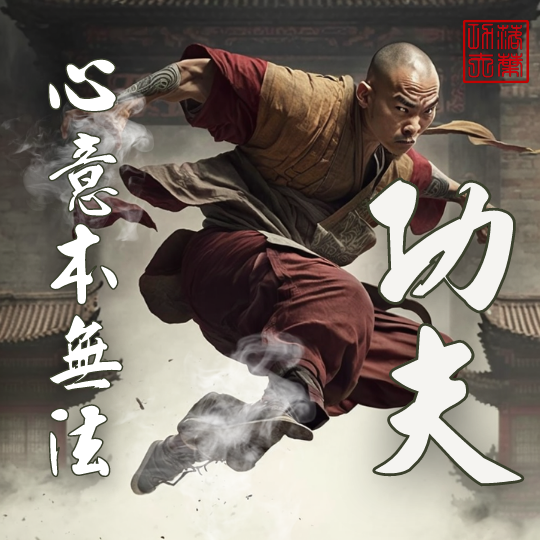
Shaolin Monk - 心意本無法

Introduction

The pursuit of martial arts can simply be a way to improve our skills as a fighter. However, martial arts can also be a way of life, a path to develop a set of values to be embodied. It’s a way to cultivate a deep understanding of ourselves and, ultimately, a deep appreciation for life and death.

The difference lies in whether we see martial arts as a goal or a tool. Training martial art as a goal means that the sole focus is on developing fighting skills and improving performance in competitions or self-defense. However, suppose someone says they use martial arts as a tool to develop themselves. In that case, they are interested in using martial arts to cultivate personal growth and to develop qualities such as discipline, respect, and mental fortitude. In this sense, martial arts are seen as a means to an end rather than an end in itself. By viewing martial arts as a tool for personal development, practitioners can approach their training with a greater sense of purpose and meaning and, ultimately, reap the benefits of martial arts in all aspects of their lives.

The Philosophy of Martial Arts as a Way of Life

Zen & Martial Arts – A Path To Knowing

Shaolin monks represent the essence of martial arts as a way of life.
Martial arts and Zen have been deeply intertwined for centuries through Shaolin Kung Fu.

Martial arts and Zen have a deep connection, as both emphasize the importance of present knowing and mindfulness. Zen is a practice of meditation that originated in China and later spread to Japan, where it became closely associated with martial arts training. At its core, Zen is about cultivating a deep sense of awareness and clarity in the present moment.

We can observe and discriminate clearly when we are fully present and mindful. From that clarity, we can act with wisdom. This is particularly relevant in martial arts, where split-second actions can make all the difference between victory and defeat. By cultivating present knowing in our martial arts training, we can develop a deeper understanding of ourselves and our opponents and, ultimately, become more skilled and effective in our practice.

First, Know Thyself

Grand Master Sam Chin, the Gatekeeper of I Liq Chuan, says, “first, you must know yourself; only then can you use yourself.” This statement highlights the importance of self-awareness in martial arts and life. Martial arts encourage us to develop a deep understanding of our physical abilities, mental strengths, and personal limitations. By gaining this self-knowledge, we can better utilize our strengths and work to overcome our weaknesses.

Moreover, pursuing martial arts as a way of life also involves cultivating a sense of humility and respect for others. Martial arts teaches us to respect our partners and be mindful in our interactions, which can apply to all aspects of life. It helps build more meaningful relationships and navigate daily challenges with grace and resilience.

Pursuing martial arts as a way of life is a personal journey that requires dedication, discipline, and a willingness to embrace change. By committing to this journey, we can cultivate a deep sense of purpose and personal fulfillment and, ultimately, live a more meaningful and enriched life.

Three Kinds of Knowing

According to Grand Master Sam Chin, there are three kinds of knowing. The first is memorization, which involves rote learning and recalling information from memory. The second is critical thinking, which involves using logic and reasoning to solve a problem or answer a question. Both forms of knowing are rooted in the past, relying on information already acquired or processed.

The third form of knowing is through direct experience, rooted in the present moment. This type of knowing involves a deep and intuitive understanding of a situation or phenomenon we can only gain through firsthand experience. Direct experience is often called “present knowing” and is the most valuable form of knowing.

In the context of martial arts, present knowing is critical. In Zen, they say, “You can never step in the same running water twice.” Techniques and strategies that may have worked in the past may not be effective in the present moment, as each situation is unique and constantly changing. By cultivating present knowing through regular practice and mindfulness, as martial artists, we can develop a deeper understanding of ourselves and our opponents, becoming more skilled and effective in our practice.

Mindfulness In Daily Life

We can apply present knowing to daily activities and relationships in all areas of our lives and become more effective and efficient in our daily lives by cultivating a more profound sense of awareness and mindfulness in the present moment.

For example, when we perform routine tasks such as cooking or cleaning, being fully present and attentive can help us to perform these tasks more efficiently and with greater focus. By bringing a sense of mindfulness to these activities, we can also find greater enjoyment in them and derive more satisfaction from completing them.

In relationships, present knowing can help us to be more empathetic and understanding towards others. By being fully present and attentive in conversations we can pick up on subtle communication cues and nuances that may be missed when distracted or preoccupied. Mindfulness can help to foster deeper connections and more meaningful relationships.

Moreover, present knowing can also help us to manage stress and navigate challenging situations more effectively. We can maintain perspective and focus on solutions by staying present and centered, avoiding negative emotions and anxieties.

Tao -This Is The Way

The Philosophy of Tao is a system of thought emphasizing the importance of living in harmony with the natural world. At its core, Tao is about understanding the intrinsic qualities of life, which include endless change or impermanence. Therefore, the highest goal in Tao is to learn to change with change. This philosophy has significant applications to both martial arts and daily life, as it teaches us to embrace impermanence and find balance in all aspects of life. By studying the intrinsic nature of the body and the world around us, we can develop a deeper awareness of ourselves and our surroundings. As a result, life takes on a sense of richness, and ultimately, we achieve a greater sense of fulfillment.

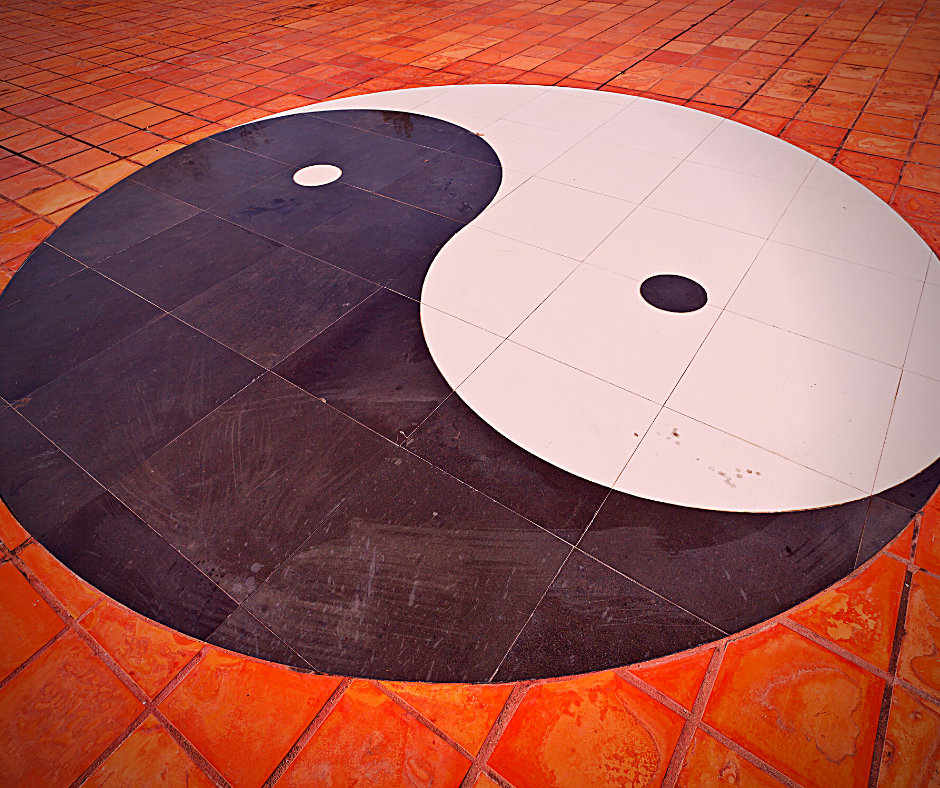
yin yang
The balance of yin and yang is the goal of Tao.

Our Intrinsic Nature

Through martial arts training, we study the intrinsic nature of the human body and come to a better understanding of ourselves and our lives. Understanding our bodies begins with examining the difference between yin and yang and finding the center within ourselves. We explore the qualities of the tissues within our body, such as ligaments, tendons, and bones, to understand how to move our bodies in the most efficient and effective ways possible.

We can develop a deeper awareness of ourselves by studying the intrinsic nature of our bodies through martial arts. This awareness can help us navigate the constantly changing nature of the world with ease and grace. Ultimately, the philosophy of Tao teaches us to embrace impermanence and to find balance in all aspects of life.

Through cultivating present knowing and mindfulness, we can become more aware of our thoughts and feelings without identifying with them. This detachment can be incredibly valuable in all aspects of life, as it allows us to respond to the present moment’s needs rather than reacting to our emotions.

Suchness

Both Zen and Tao emphasize the concept of “suchness,” which refers to the intrinsic nature of things as they are, regardless of our thoughts and feelings about them. In a society that encourages individualism and the pursuit of personal “truths,” this idea is likely unpopular. However, Zen and Tao remind us that true understanding comes from accepting things as they are rather than trying to impose our own perceptions and interpretations on them. By embracing the concept of suchness, we can cultivate a deeper sense of awareness and appreciation for the world around us,

By developing present knowing, we can achieve a state of stillness and clarity; this means we can make wiser, more intentional choices rather than being driven solely by our emotions or impulses. When we are free from the influence of our impulses, we might call this quality “discipline.”

Through training in martial arts and cultivating present knowing, we can develop a deeper understanding of ourselves and our place in the world. This understanding can help us to navigate the constantly changing nature of life with greater ease and grace.

Martial Arts As A Way of Life Means Looking Into Your Weakness

Training in martial arts is a process of looking into your weaknesses and working to overcome them. We develop a deep understanding of our physical and mental strengths and personal limitations through regular practice and mindfulness. By gaining this self-knowledge, we can better utilize our strengths and work to overcome our weaknesses.

“Kaizen” refers to the Japanese concept emphasizing continuous improvement’s importance. Kaizen is the belief that small, incremental changes can lead to significant improvements over time. Through Kaizen, we are encouraged to identify areas where we can improve and then work consistently and persistently towards these goals. This process of self-improvement is not limited to martial arts and can be applied to all areas of life. By looking into our weaknesses and working to overcome them, we can develop a more profound sense of self-awareness and have a clear path toward self-improvement.

Furthermore, we can view Kaizen as a journey rather than a destination. By embracing the philosophy of Kaizen, we can cultivate a sense of purpose and personal growth that extends far beyond our immediate goals. This can help us to stay motivated and committed to our practice and to approach all aspects of life with a sense of mindfulness and intention.

Bruce Lee embodied the philosophy of martial arts as a way of life through his dedication.

Overall, the process of looking into our weaknesses and working to overcome them is an essential aspect of both martial arts and self-improvement. By cultivating a sense of self-awareness and embracing the philosophy of Kaizen, we can achieve significant improvements in all areas of our lives.

Humility & Martial Arts As A Way of Life

As humans, we often tend to chase after what we want rather than what we truly need. This can lead to a lack of self-awareness and an inflated sense of ego, hindering our personal development. By looking into our weaknesses and working to overcome them, we engage in the process of training based on our needs. This process can be humbling, forcing us to confront our limitations and shortcomings. However, this humility can be precious, allowing us to develop a more profound sense of self-awareness and perspective.

Moreover, looking into our weaknesses can help us cultivate a greater sense of humility in all aspects of life. By recognizing our limitations, we can become more open to learning and evolution and more receptive to feedback from others. This can lead to greater personal and professional success, more meaningful relationships, and a deeper sense of connection to the world around us.

Ultimately, by embracing the process of looking into our weaknesses, we can develop a more profound sense of humility and self-awareness. Whether in the context of martial arts or personal development, more broadly, this process of continuous self-reflection and improvement is essential to achieving our goals and living a more meaningful and fulfilling life.

Conclusion

In conclusion, martial arts can be much more than just a way to improve fighting skills. It can also be a way of life, a path to personal development, and a means to develop qualities such as discipline, respect, and mental fortitude. The philosophy of martial arts is deeply rooted in mindfulness, self-awareness, and self-improvement. When we apply the philosophies of Zen and Tao to our martial arts practice, we can cultivate a deeper understanding of ourselves and our place in the world.

By embracing the process of looking into our weaknesses and working to overcome them, we can develop a sense of humility, self-awareness, and perspective that can lead to more successful lives, more meaningful relationships, and a more profound understanding of connection to the world around us. Ultimately, pursuing martial arts as a way of life is a personal journey that requires dedication, discipline, and a willingness to embrace change and growth.

If you found this article useful, you can support our blog by making a purchase from our Amazon Storefront and help us continue to provide valuable content.

If you’re ready to embark on a journey of personal growth through martial arts, here are three ways I can help:

  1. Consider our small group or online martial arts classes to start your practice.
  2. Explore our other articles on Zen and Tao philosophy to deepen your understanding.
  3. Book a free discovery call to find out if one of our programs is right for you.
Start your journey to mastery today!

Read More!

About the Author

Ashe Higgs, I Liq Chuan Master Instructor & L2 Nutrition Coach

Ashe is a highly skilled martial arts instructor and certified nutrition coach with over two decades of experience in the field. He holds a Master Instructor certification in I Liq Chuan under Sam FS Chin, making him one of only several individuals worldwide to hold the title. He has taught classes and workshops worldwide and is passionate about helping others achieve their fitness and wellness goals.

With a background in full-contact fighting and a Level 2 certification from Precision Nutrition in nutrition coaching, Ashe is a well-rounded expert in the fields of martial arts. In addition to his expertise, he has a wealth of experience in teaching and mentoring others. He has a natural ability to connect with his students and inspire them to reach their full potential.

Read more about Ashe here…

Disclaimers & Conflicts of Interest

I am not a doctor or a lawyer, and the information provided should not be considered medical or legal advice.

The information provided is for educational and informational purposes only and should not be used as a substitute for professional legal or medical advice, diagnosis, or treatment. Consult your doctor or a qualified healthcare professional before making any changes to your diet, exercise routine, or lifestyle.

Please note that some of the links provided in this content may be affiliate links, meaning that I may receive a small commission if you purchase through them. However, please rest assured that any products or services recommended are based on my personal experience and belief in their value. I only recommend products or services that I have personally used and believe in.

Posted on

The Benefits of Cold Water Immersion and Heat Exposure for Health: A Study by Dr. Susannah Soeberg

Welcome to another edition of the Weekly Round-Up, where we explore the intersection between ancient practices and modern science as part of a more natural way of living so that we can experience our best physical and mental health. In this installment, we’ll explore three exciting topics that are sure to get you thinking about your fitness and wellness routine in a whole new way.

Winter Swimming

I’ve been exploring and writing about heat and cold exposure as part of my Natural Way of Living approach since 2015. I recently learned of the work of Dr. Susannah Soeberg of Denmark in this area.

Dr. Soeberg, a renowned expert in the field of health and wellness, recently conducted a study on the effects of cold water immersion and heat exposure on the human body. The study, which was published in Cell Reports Medicine in 2021, discovered the minimum threshold for experiencing significant health benefits from these practices.

According to Dr. Soeberg’s study, only 11 minutes of cold water immersion and 57 minutes of sauna per week can increase focus, energy, and mood. It’s important to note that this time should be divided into two to three days, ideally alternating between the two practices. During cold water immersion, noradrenaline and dopamine levels increase 2.5x within minutes and can last for hours. This hormone increase has been shown to activate brown fat, leading to improved metabolism and overall health.

Brown fat activation is a key factor in the health benefits of cold water immersion and heat exposure, as Dr. Soeberg’s study found. Brown fat activation increases during cold water immersion and people who regularly practice this technique are better able to tolerate the cold. The study also found that brown fat activation leads to lower insulin production and faster glucose metabolism. Additionally, the study found that brown fat activation has a circadian rhythm in humans, with higher activation levels early in the morning before waking up. This means that people who regularly practice cold water immersion and heat exposure may have a higher metabolic rate and feel warmer throughout the day.

  • Dr. Susannah Soeberg studied the effects of cold water immersion and heat exposure on the human body.
  • The study was published in Cell Reports Medicine in 2021.
  • The study found that only 11 minutes of cold water immersion and 57 minutes of sauna per week can lead to significant health benefits.
  • Brown fat activation is a key factor in the health benefits of cold water immersion and heat exposure.
  • People who regularly practice cold water immersion and heat exposure may have a higher metabolic rate and feel warmer throughout the day.
  • End on the cold to force the body to activate more brown fat.

Dr. Soeberg recommends starting slow and gradually building up your tolerance over time when incorporating cold water immersion and heat exposure into your daily routine. When practicing both techniques, it’s important to end on the cold to force the body to activate more brown fat and reheat naturally. This is known as the “Soeberg principle,” and it has been endorsed by Professor Andrew Huberman from Stanford University.

Dr. Soeberg’s study has shown that cold water immersion and heat exposure can have significant health benefits, including increased focus, energy, and mood, improved brown fat activation, and faster metabolism. By incorporating these practices into your daily routine, you can improve your overall health and well-being. Learn more about Dr. Soebergs work at The Soeberg Institute.

Explore how cold exposure can improve your health and energy levels today! Buy ‘Winter Swimming’ by Dr. Susannah Solberg on Amazon now.


Additional Articles From This Week

The Hidden Meaning of Crouching Tiger Hidden Dragon

Discover the fascinating origins of the title “Crouching Tiger, Hidden Dragon.” This iconic film draws from Chinese culture and features stunning martial arts scenes. Explore the hidden meanings behind the title, the connections to the characters, and the allusions to the film’s storyline. Don’t miss out on this must-read article for martial arts and Chinese culture fans. Read the full article to learn more!


5 Martial Arts Like Tai Chi

Join us on a journey through the fascinating world of five martial arts like Tai Chi, including I Liq Chuan, and more.

We’ll delve deeper into the history and philosophy of these practices, examine their unique training methods, and highlight their many benefits for modern-day living. Unlock the secrets of these ancient martial arts. Read the full article and discover the magic for yourself.

Start your journey to mastery today!

Read More!

Disclaimers & Conflicts of Interest

I am not a doctor or a lawyer, and the information provided should not be considered medical or legal advice.

The information provided is for educational and informational purposes only and should not be used as a substitute for professional legal or medical advice, diagnosis, or treatment. Consult your doctor or a qualified healthcare professional before making any changes to your diet, exercise routine, or lifestyle.

Please note that some of the links provided in this content may be affiliate links, meaning that I may receive a small commission if you purchase through them. However, please rest assured that any products or services recommended are based on my personal experience and belief in their value. I only recommend products or services that I have personally used and believe in.

References

  1. Søberg, Susanna, et al. “Altered brown fat thermoregulation and enhanced cold-induced thermogenesis in young, healthy, winter-swimming men.” Cell Reports Medicine 2.10 (2021): 100408.
Posted on

What Does Crouching Tiger, Hidden Dragon Symbolize?

crouching tiger hidden dragon

Did you know that the iconic movie title ‘Crouching Tiger, Hidden Dragon’ is a Chinese idiom?  Wò hǔ cáng lóng 臥虎藏龍; means ‘hidden or unrealized talent.’ 

An idiom is a phrase or expression with a figurative or metaphorical meaning that is not immediately clear from its literal interpretation. Idioms are often deeply ingrained in a particular culture or language and may not make sense in other contexts or languages.

Idioms are often used in everyday language and may be difficult for non-native speakers to understand, as they often cannot be translated literally. For example, the idiom “break a leg” is a common expression used to wish someone good luck, but its meaning is unrelated to breaking an actual leg.

If you love kung fu, then “Crouching Tiger, Hidden Dragon” is a must-watch film. 

History & Background

Crouching Tiger, Hidden Dragon is a 2000 martial arts film directed by Ang Lee, based on the novel by Wang Dulu. The film is set in the Qing Dynasty and tells the story of two warriors, Yu Shu Lien, and Li Mu Bai, who are in love but cannot be together due to their duties.

The film draws on themes from the Wuxia novels of China. The Wuxia genre is a type of Chinese fiction that is characterized by stories of martial arts heroes and their adventures. The term wuxia 武俠 translates to “martial heroes” in English.

The genre has a long history in China, dating back to the Tang dynasty, but it became more popular in the early 20th century with the publication of serialized novels. Wuxia stories typically feature themes of honor, loyalty, and revenge, as well as a focus on martial arts skills and swordplay.

The Crane-Iron Series

Wang Dulu authored over 20 detective and mystery novels before transitioning to writing wuxia novels. He produced 36 wuxia novels, including the Crane-Iron Series Hè tiě xìliè 鶴鐵系列, which follows four generations of youxia 遊俠 (wandering heroes). The series consists of five novels, including:

  • Crane Startles Kunlun
    Hè jīng kūnlún 鶴驚崑崙
  • Precious Sword, Golden Hairpin
    Bǎojiàn jīn chāi 寶劍金釵
  • Sword Force, Pearl Shine
    Jiàn qì zhūguāng 劍氣珠光
  • Crouching Tiger, Hidden Dragon
    Wò hǔ cáng lóng 臥虎藏龍
  • Iron Knight, Silver Vase
    Tiěqí yín píng 鐵騎銀瓶
Michelle Yeow as Yu Shulien

Kung Fu Fighting

The film Crouching Tiger, Hidden Dragon is renowned for its breathtaking martial arts action scenes, which are beautifully choreographed and executed. The characters move with grace and fluidity, defying gravity and physics with their acrobatic skills.

Kung fu is a prominent feature in Crouching Tiger, Hidden Dragon. The film showcases qingong 輕功, or light body skill, which is a skill that allows characters to move swiftly and gracefully across rooftops and through trees. The characters also use a highly sensationalized version of dim mak 點脈, a technique that involves striking pressure points on the body to cause injury or death. In the film, these techniques are used in the breathtaking fight scenes that demonstrate the characters’ martial arts skills.

Beyond the action, the film has a compelling story that explores themes of love, honor, duty, and loyalty. The characters are complex and well-developed, with their own motivations and conflicts that add depth to the story. The romance between the two main characters, Yu Shu Lien and Li Mu Bai, is also a highlight of the film, adding an emotional layer to the story that is not often seen in the kung fu genre or, more properly, the Wuxia genre.

The movie features stunning fight scenes that showcase the characters’ martial arts skills and their inner conflicts. It also explores themes of love, duty, and honor.

The Origin of “Crouching Tiger, Hidden Dragon:”

The phrase comes from a poem by ancient Chinese poet Yu Xin, which reads, ” Àn shí yí cáng hǔ, pán gēn shì wòlóng 暗石疑藏虎,盤根似臥龍,” meaning “The dark stone is suspected of hiding a tiger, and the coiling giant roots are crouching [hiding] dragon.” It describes a place or situation full of unnoticed masters. ‘Crouching Tiger, Hidden Dragon’ means talent is hidden, and one must look closely to find it, or “talented or dangerous people hidden from view.”

Layers of Meaning:

The title connects to the characters Xiaohu and Jiaolong, who have hidden talents and desires. It alludes to the film’s storyline of emotions and secret desires beneath polite society. Xiaohu 小虎 means “little tiger,” and Jiaolong 娇龍means “delicate/lovely dragon.”

In the film Crouching Tiger, Hidden Dragon, Confucianism plays a significant role in the relationship between the characters Yu Shu Lien and Li Mu Bai. As warriors, they are bound by duty and loyalty to their code of honor.

Confucianism

Confucianism is a Chinese philosophy that emphasizes moral values and social order. During the Qing Dynasty, Confucianism was the dominant ideology and shaped Chinese society. It was used to promote social harmony, respect for authority, and obedience to one’s superiors.

During the Qing dynasty in China, Li Mu Bai was a famous swordsman trained in the Wudang style of kung fu. He was close friends with Yu Shu Lien, a skilled female warrior who led a private security company. Despite having romantic feelings for each other, they both felt conflicted about acting on those feelings due to a sense of loyalty to Meng Sizhao, a close friend who had been engaged to Shu Lien before his untimely death.

This loyalty to Meng Sizhao kept them from revealing their feelings to each other, despite their growing emotional connection. Their relationship is further complicated by the Confucian values of duty and honor that governed Chinese society during the Qing dynasty. Both Mu Bai and Shu Lien are committed to their respective roles as warriors, and this sense of duty often takes precedence over their personal desires.

Despite their unspoken love, Mu Bai and Shu Lien share a deep bond and trust each other implicitly. Their relationship is defined by mutual respect, admiration, and a shared sense of duty to their country and their beliefs. As they navigate the complex social and political landscape of Qing dynasty China, their unspoken feelings continue to weigh heavily on them, adding depth and complexity to their characters and the story.

Summary & Conclusion

“Crouching Tiger, Hidden Dragon” is a stunning martial arts film that draws on the rich history of Wuxia novels and Chinese culture. The film’s breathtaking action scenes and compelling story explore themes of love, duty, and honor. The title of the film itself is an allusion to the hidden talents and desires of the characters, and it highlights the importance of looking closely to find hidden talents. The film’s depiction of Confucian values and its portrayal of the complex relationships between its characters add further depth to the story. Overall, “Crouching Tiger, Hidden Dragon” is a modern Kung Fu masterpiece that draws from the historical Wuxia genre. It is a must-watch for fans of kung fu and martial arts films.

Experience the talent and rich cultural themes of “Crouching Tiger, Hidden Dragon.” Whether it’s your first time watching or a chance to rediscover the depth and complexity of the story, this martial arts masterpiece is a must-see. Don’t miss the chance to immerse yourself in a world of honor, loyalty, and love, and appreciate the stunning choreography and masterful storytelling. Watch “Crouching Tiger, Hidden Dragon” now on Amazon Prime.

Start your journey to mastery today!

Read More!

About the Author

Ashe Higgs, I Liq Chuan Master Instructor & L2 Nutrition Coach

Ashe is a highly skilled martial arts instructor and certified nutrition coach with over two decades of experience in the field. He holds a Master Instructor certification in I Liq Chuan under Sam FS Chin, making him one of only several individuals worldwide to hold the title. He has taught classes and workshops worldwide and is passionate about helping others achieve their fitness and wellness goals.

With a background in full-contact fighting and a Level 2 certification from Precision Nutrition in nutrition coaching, Ashe is a well-rounded expert in the fields of martial arts. In addition to his expertise, he has a wealth of experience in teaching and mentoring others. He has a natural ability to connect with his students and inspire them to reach their full potential.

Read more about Ashe here…

Disclaimers & Conflicts of Interest

I am not a doctor or a lawyer, and the information provided should not be considered medical or legal advice.

The information provided is for educational and informational purposes only and should not be used as a substitute for professional legal or medical advice, diagnosis, or treatment. Consult your doctor or a qualified healthcare professional before making any changes to your diet, exercise routine, or lifestyle.

Please note that some of the links provided in this content may be affiliate links, meaning that I may receive a small commission if you purchase through them. However, please rest assured that any products or services recommended are based on my personal experience and belief in their value. I only recommend products or services that I have personally used and believe in.

Posted on

Clear Your Mind, Improve Your Life: The Connection Between Breathing and Brain Function

According to research, many neurodegenerative disorders are associated with the build-up of toxins in the brain, which can lead to cognitive issues such as brain fog. To maintain good brain health, it’s important to understand how your body clears toxins and waste products, and one key system involved in this process is the glymphatic system. This system relies on movement and breathing to function effectively.


Welcome to the Weekly Round-Up, where we explore the intersection between ancient practices and modern science as part of a more natural way of living. We aim to help you experience your best physical and mental health by incorporating these practices into your life. In this series, we explore exciting topics that are sure to get you thinking about your fitness and wellness routine in a whole new way.


Breathing Exercises: How to Help Your Body Clear Brain Toxins and Improve Brain Function

slow breathing at night can help detoxify the brain

New research has identified the sub-arachnoid lymphatic membrane (SLYM) as a crucial component of the glymphatic system. This thin, delicate membrane acts as a barrier, allowing only small molecules to pass through and separate “clean” and “dirty” cerebrospinal fluid (CSF). It also helps to maintain the brain’s defenses by preventing outside immune cells from entering.

To help your glymphatic system function at its best, Dr. Steven Lin recommends engaging in the following practices:

  • Nasal breathing at night: Breathing through your nose helps to keep the flow of CSF to the brain tightly managed. Mouth breathing or snoring can interfere with this process.
  • Movement: Regular physical activity can help to keep your glymphatic system functioning well. Engage in moderate exercise for at least 30 minutes a day.
  • Correct tongue posture and swallowing: Proper posture and swallowing techniques can help to clear the vessel systems in your head and neck, allowing for effective glymphatic system function.

By engaging in these practices, you can help to clear toxins and waste products from your brain, improving brain function and reducing brain fog. If you suffer from cognitive issues or neuro-degenerative disorders, it’s important to talk to your healthcare provider about incorporating these practices into your routine.

I have written about the glymphatic system and a possible relationship to the ancient neigong 內功 practices of xisuijing 洗髓經 or Marrow Washing previously here and here.

Uncover the Secrets to Achieving Your Fitness and Martial Arts Goals: The Key Metrics You Need to Know  

At the heart of any martial arts or fitness journey is the desire to improve performance, prevent injuries, and achieve your goals. But how do you measure progress and make sure you are on the right track? The answer lies in tracking the right metrics, which can help you identify areas of weakness and focus on continuous improvement. In this article, we will reveal the key metrics that every martial artist and fitness enthusiast should track to maximize their performance and reach their full potential.

Discover the ancient roots of martial arts and fitness and how they are intimately connected to help you become stronger, more explosive, and more resilient. Learn the proven strategies to develop power, grip strength, leg strength, and core strength to take your training to the next level. Don’t fall for common myths and bro-science; read on to learn the truth and achieve your fitness and martial arts goals efficiently and effectively!

Read: Martial Arts And Fitness

In this week’s edition of “The Weekly Round-Up,” we explored how breathing exercises can help to clear your brain of toxins. To take your fitness and wellness routine to the next level, check out our in-person and online martial arts instruction and our “fit-to-fight” online health coaching program. Learn how to become stronger, more explosive, and more resilient and achieve your fitness and martial arts goals efficiently and effectively!

Start your journey to mastery today!

Read More!

About the Author

Ashe Higgs, I Liq Chuan Master Instructor & L2 Nutrition Coach

Ashe is a highly skilled martial arts instructor and certified nutrition coach with over two decades of experience in the field. He holds a Master Instructor certification in I Liq Chuan under Sam FS Chin, making him one of only several individuals worldwide to hold the title. He has taught classes and workshops worldwide and is passionate about helping others achieve their fitness and wellness goals.

With a background in full-contact fighting and a Level 2 certification from Precision Nutrition in nutrition coaching, Ashe is a well-rounded expert in the fields of martial arts. In addition to his expertise, he has a wealth of experience in teaching and mentoring others. He has a natural ability to connect with his students and inspire them to reach their full potential.

Read more about Ashe here…

Disclaimers & Conflicts of Interest

I am not a doctor or a lawyer, and the information provided should not be considered medical or legal advice.

The information provided is for educational and informational purposes only and should not be used as a substitute for professional legal or medical advice, diagnosis, or treatment. Consult your doctor or a qualified healthcare professional before making any changes to your diet, exercise routine, or lifestyle.

Please note that some of the links provided in this content may be affiliate links, meaning that I may receive a small commission if you purchase through them. However, please rest assured that any products or services recommended are based on my personal experience and belief in their value. I only recommend products or services that I have personally used and believe in.

References

  1. Møllgård, Kjeld, et al. “A mesothelium divides the subarachnoid space into functional compartments.” Science 379.6627 (2023): 84-88.
Posted on

Arizona’s Most Comprehensive Tai Chi Program!

tai chi symbol

A Complete Art For Body & Mind

Tai Chi Principles: flow, center, balance, breath control, awareness
Flow, center, balance, breath control & awareness are the key Tai Chi principles taught in our program in Tempe, Arizona.

We believe Falling Leaves Kung Fu offers Arizona’s most comprehensive Tai Chi program. However, before going any further, we should clarify that this is not Taijiquan; it’s a program based on Tai Chi Principles.

Our program is based on the teachings of Grandmaster Sam FS Chin. His family’s martial art of I Liq Chuan has been refined over generations. Handed down from the mysterious nomads of ancient China to Chin, Lik-Keong, the grandmaster’s father. Grandmaster Sam learned the art from his father in Malaysia before coming to the US in 1990.

We have been offering our program in locations throughout Arizona since 2005. We have classes available in Tempe, Payson, and Sedona.

The foundation of our system is Zen philosophy and Tai Chi principles. Our program is designed to give the student a complete understanding of tai chi principles and how they can be applied to self-defense situations and every facet of daily life. It becomes a new way of thinking and looking at the world.

Our program covers everything from Qigong to meditation, striking and grappling, and even some firearms training!

By offering such a comprehensive curriculum, we can provide our students with everything they need to develop a deep theoretical and practical understanding of Tai Chi principles.

Our 21 Form is very similar to other Tai Chi forms you may have seen

What Does Tai Chi Mean?

The basic principles of Tai Chi are rooted in the philosophy of Tao, which emphasizes the center, harmony of yin/yang, and flow.

"To be clear on the point of contact is to know the difference of empty and full or we talk about yin yang; nothing else."

The Tao Te Ching says, “From wuji to tai chi, from tai chi to yin/yang, and from yin/yang, everything arises.”

The literal translation of the Chinese characters 太極 (Tai Chi) is “supreme ultimate” or “grand ultimate.” However, it’s a mistake to translate many Chinese phrases literally.

The Old Masters were keen observers of nature. They recognized that nature works in a continuously flowing cycle. The characters hint at the two most extreme points in a cycle.

Yin/yang are not opposites; they are one but different. When awareness is there, we can clearly recognize the difference between things.

We can act with wisdom and skill when we see things as they are.


The Fundamental Principles Of Tai Chi

The Princess of Tai Chi Wu, Amin
Flowing with master Wu, Amin; “The Princess of Tai Chi.” photo by Dino Oliva
  • Flow
  • Relaxation
  • Center
  • Breath
  • Awareness

Flow

The Tai Chi Classic by Wang, Zhongyue says, “no gap, no resistance” bù diū bù dǐng 不丟不頂. Like water, our movements should flow with the qualities of fluidity and fullness.

Water is an excellent example of how to flow with change. Water can adapt to its environment. It is always moving and constantly changing but always remains the same. Bruce Lee famously said, “water can flow, or it can crash!” Water can flow into the tiniest opening yet have the power to support a large boat or turn it over.

Related Article

Be Water, My Friend

The Tao is the way of nature. It is the path that all things follow; it is the way of change. Change and transformation are the fundamental quality of nature.

To flow is to change with the change; you put water in a cup, and it “becomes the cup.” When we flow, we learn to move based on our opponents’ pressure. Like water, where they are empty, we flow in, and where they are full, we flow around, or like a tidal wave, we crash.

The secret lies in awareness. More on this is below.


Relaxation

Tai Chi is the balance of yin/yang. When we balance the body with the cycle of yin/yang, we can let go of unnecessary tension in the body. We can respond faster, generate more power and move with a sense of ease and effortlessness.

The Tai Chi principle of relaxation is a prerequisite for flow. It’s tough to drive fast with one foot on the brake. Relaxation allows us the freedom to change.


Center

Grandmaster Sam likes to use the phrase bùlí zhòng 不離中. “Never leave the center.” However, there is not merely one center; there are many. The mind and body each have a center. Within the body, there are many lesser centers. Like a cloud of soap bubbles drifting through the air, the cloud has a center, but each bubble has its own center as well. With strong attention, we can hold more centers within the scope of our awareness.

GM Sam Chin & Ashe Higgs
GM Sam Chin explains the Tai Chi principle of using the center.

“Everything is about the center; the center must be strong. Sometimes I use candlelight as an example.

When the flame is constantly flickering, you cannot see clearly. The light is steady when there’s nothing to disturb the flame, and you can see clearly.

If the center is shaky, there is no precise direction. Also, if the candlelight is too dim, you also cannot see the bigger view. You only see within a small area. If the candlelight is bright, you can see a bigger view more clearly.

You must hold the center stable to have precise direction and separation. To be strong, the center is balanced by multiple directions simultaneously.”

GM Sam FS Chin

Related Article

Finding The Center


Breath control

Some Benefits of Breathwork

  • Become calm & alert
  • Improve performance
  • Manage stress
  • Improve health
  • Stillness & Clarity

Learning to properly use the breath has always been essential to martial arts practice. The Old Masters knew long ago that the breath was the secret to both power and longevity.

Learning to relax and breathe freely allows us to maximize our performance under pressure, whether that’s the stress of a self-defense situation, competition, or high-pressure circumstances at work or home.

Skillful breathing allows us to hit harder, have more energy and improve our health. The secret lies within the diaphragm and its link to the autonomic nervous system: the vagus nerve.

The science behind breath control has started catching up to ancient wisdom; research is verifying the experience of the Old Masters. As a result, everyone from Olympic athletes to elite special forces operatives now practice special breathing techniques to help stay calm and alert, improve performance, or manage the stress of combat and high-stakes competition.

“Your body has numerous major systems, including the endocrine (hormone), cardiovascular, immune, gastrointestinal, and nervous systems. If you want to use the mind-body connection to lower your stress, cool the fires, and improve your long-term health, what’s the optimal point of entry into all these systems? It’s the autonomic nervous system (ANS).

Rick Hanson, Ph.D., Buddha’s Brain

When we master our breath, we can perform at our best, reduce stress, activate (or deactivate) our immune system, or even use it as a tool for personal growth and development.

Related Posts

Read more about breath work

Awareness

One of the main goals of our program is to cultivate a heightened sense of awareness, both within ourselves and externally, of our surroundings.

In his treatise on Zen and martial arts, Takuan Soho wrote, “the immovable mind is the mind that doesn’t stop.”

By “immovable,” Soho means a mind that can’t be moved away from the center of being “present, formless, and neutral.”

Soho continues, “In battle, if your mind goes to your opponent’s sword, it will stop there, and you will be cut down.”

Likewise, Grandmaster Sam says, “If my reference is clear, then from one point, it expands and returns back. Without this clarity, then we say that you will be very easily influenced.

In meditation, we say that you train until your focus is unshakable; what do I mean by unshakable? That means cannot be moved. Concentration so strong it cannot be moved. Mentally and physically cannot be moved. Your concentration must be that strong.”

A mind that can’t be moved off its center is free of anxiety, anger, and doubt. From the center, stillness and clarity can arise. The mind becomes calm, and we see things clearly, as they are.


group photo
Group photo from one of our classes in Tempe, Arizona. Our classes can be a great way to meet new people!

Tai Chi For Self-Defense

Regarding self-defense, not all programs following Tai Chi principles are created equal.

When I first looked for a Tai Chi program, I took a free trial class at a well-known school here in Arizona. After spending 45 minutes working on a move from Yang-style Tai Chi known as “Wild Horse Parts Mane,” I asked what the self-defense application was.

The instructor looked at me blankly and said, “I don’t know. Let’s go check the book!”

I’ll give him credit for his honesty, but I don’t need to pay someone to teach me from a book, do you?

When spending your hard-earned money, do you want someone trying desperately to stay one lesson ahead of the class? Or do you want an instructor that has received direct transmission from a master?

Do you want an instructor who teaches fantasy or an instructor who understands the reality of applying their skills against a resisting opponent?

the author fighting at Legends of Kung Fu 2009
Full contact fighting in July 2009

Grandmaster Sam Chin was known as “The Tiger of Malaysia.” He was undefeated in full-contact tournaments until he retired from fighting. The I Liq Chuan association even ran an open challenge to all comers in the local newspapers in Kuala Lumpur for many years!

Unlike my Sifu, I did not remain undefeated; however, I continued the tradition of testing I Liq Chuan’s application of Tai Chi principles in the ring. During the early 2000s, I traveled throughout the country, winning multiple championship medals before retiring from competition in 2007.

Related Post


If you’re looking for Tai Chi in Arizona, you won’t find a more comprehensive program. The principles of Tai Chi and Zen philosophy form the basis of our system, which has been handed down through the generations directly from the Old masters.

We offer classes in multiple locations throughout Arizona, including Tempe, Payson, and Sedona. Please contact us directly, and we will connect you with the regional instructor for class times and locations.

You will cultivate the skills of flowing, balance, breath control, and awareness.

Through those skills, you will gain a practical understanding of Tai Chi principles and how to apply them to everyday challenges and conflicts, as well as to hand-to-hand combat. Additionally, you will learn to relax under pressure and stay calm yet alert during life’s challenges.

Start your journey to mastery today!

Read More!