Posted on

Is Strength Training Good For Martial Arts?

Introduction

Is strength training good for martial arts? This question sparks heated debates, especially within traditional martial arts communities where myths and misconceptions, such as fears of becoming “muscle-bound,” still run rampant. 

But what if the synergy between strength training and martial arts could unlock a new level of performance, resilience, and technique refinement? How can the integration of weightlifting enhance the martial artist’s journey without compromising the art’s essence? And could the right balance between the two disciplines actually prevent injuries, improve health, and offer a competitive edge? 

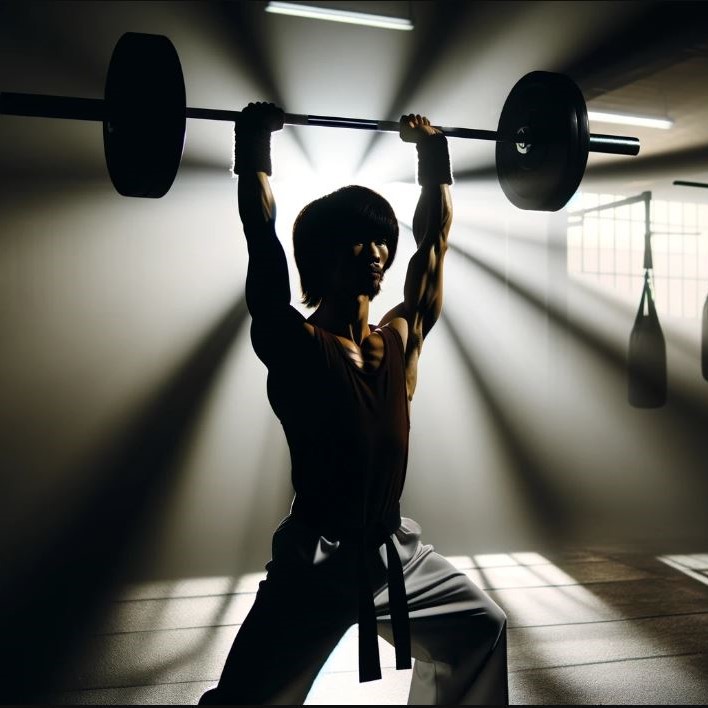
A man resembling Bruce Lee lifting a barbell overhead.

This article delves into the heart of these controversies, exploring the nuanced relationship between physical strength and martial arts proficiency. Drawing insights from strength coaching legends and the wisdom of the Old Masters, we uncover a simple framework that challenges old stereotypes and illuminates a path forward. 

Join us as we navigate the intricate dance of muscle and mastery, where precision meets power, and discover how strength training can be a powerful ally in the martial artist’s quest for excellence.

Can Martial Arts Be Effective Without Any Strength Training?

Martial arts, at their core, are about the most efficient use of one’s body to finish a fight. There are numerous styles, such as Aikido or Tai Chi, that emphasize leverage, balance, and internal energy over brute strength. 

However, even in these disciplines, a certain level of physical strength can enhance performance, reduce the risk of injury, and improve overall health. While martial arts can be effective without strength training, incorporating it can provide a competitive edge and bolster an athlete’s capabilities.

All martial arts train power, offense, and defense. Ultimately, without power, both offense and defense are ineffective. All other things being equal, two versions of the exact same fighter, the one who’s twice as strong has a significant tactical advantage.

How Do You Combine Strength Training with Martial Arts?

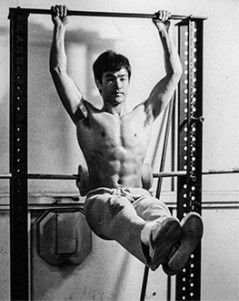
Bruce Lee’s legendary speed epitomizes the importance of strength and conditioning in martial arts. Balancing weight training with martial arts involves a simple approach to ensure both disciplines complement rather than hinder each other. 

The key is following the right program, which means we’re not going to follow a program designed to specialize in strength training to the extent that it interferes with martial arts practice or one of the many trendy “functional” or “sport-specific” programs. 

An effective strength training routine focusing on basic lifts can significantly enhance a martial artist’s strength without overwhelming their schedule or recovery capacity. Training strength just 2-3 times a week, alongside regular martial arts practice, allows us to develop an adequate strength base.

The Two-Factor Model of Sports Performance in Martial Arts

The Two Factor Model of Sports Performance, was a phrase coined by strength coach and author Mark “Rip” Rippetoe of Starting Strength fame. As discussed in his article “The Two-Factor Model of Sports Performance,” this model provides a simple, yet  comprehensive framework for understanding how both physical conditioning and skill training contribute to athletic performance. 

This model is particularly relevant to martial arts, where the balance between physical capacity and technical skill is paramount.

According to Rip, athletic performance is the outcome of two primary factors:

  1. Training
  2. Practice.

Training refers to the physical adaptations accumulated through repeated exposure to “heavy” loads under the bar, encompassing strength, endurance, and flexibility. 

Practice, on the other hand, is the technical skill development specific to the sport or activity. The founder of Zhong Xin Dao I Liq Chuan, GM Sam Chin, frequently makes the distinction between “hardware” and “software.” Strength training is a hardware upgrade, while practice is a software upgrade.

In a nutshell, training increases physical capacity; practice increases skill.

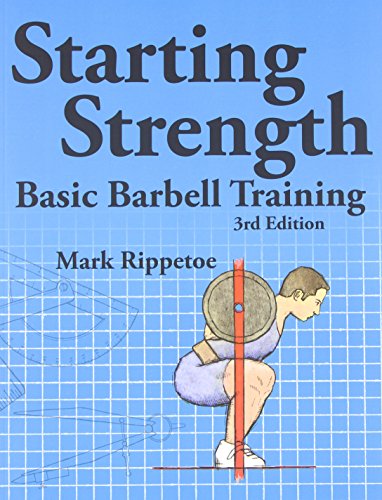
Starting Strength
$25.40

Starting Strength by Mark Rippetoe is the simplest, most straightforward program for getting stronger for athletes and regular folks alike.

We earn a commission if you make a purchase, at no additional cost to you.
07/09/2024 11:43 pm GMT

Strength however, is a supplement, not a substitute for skill.

When developed through targeted training, strength serves as a powerful adjunct to the martial artist’s arsenal. It can help us to punch harder, increase our resilience against injuries, and extend the duration over which high-level performance can be maintained. 

However, it’s crucial to recognize that strength alone cannot compensate for a lack of skill or understanding of the art. The most powerful strike or the strongest grip lacks effectiveness if not applied with precision, timing, and the strategic acumen that skillful practice develops.

At the heart of martial arts lies the mastery of skill (though frequent practice), which can be defined as “accuracy and precision.” Accuracy refers to the degree of closeness to a standard of perfect execution. For martial arts (and I Liq Chuan especially), this standard is not arbitrary but is rooted in the principles and techniques that have been refined over centuries of practice.

Precision takes the concept of accuracy a step further by emphasizing the ability to repeat the degree of closeness to perfect execution during subsequent executions. This consistency is crucial in high-pressure situations with potentially catastrophic consequences, such as self-defense scenarios, where the ability to perform techniques accurately under stress makes the difference between going home, going to the hospital, or going to the morgue.

The integration of strength training into a martial artist’s regimen should be approached with the understanding that it is meant to complement, not overshadow, skill development (which is where most people go wrong). 

A well-rounded training program for a martial artist includes both the refinement of technique and enhancement of physical attributes. However, there is no need to tailor a strength training program to support the specific demands of the martial art practiced. A simple tried-and-true program focusing on the basic lifts is enough. To restate the most fundamental principle, strength is a non-specific adaptation, and its application is universal.

How Can I Improve My Martial Arts Strength?

Improving martial arts strength involves focusing on compound lifts that build functional strength applicable to martial arts movements. Exercises like squats, deadlifts, bench presses, and overhead presses are fundamental. Achieving a strength base—squatting 1.75x body weight, deadlifting 2x body weight, bench pressing body weight, and pressing 0.75x body weight—provides a solid foundation.

A simple, efficient program like Starting Strength’s novice linear progression can guide martial artists to achieve these benchmarks with minimal time investment, allowing for continued focus on technical training.

Old School vs. Modern Strength Training

In the early 2000s, I fell head over heels for the “new school” of strength training. You know, the kind that promised to revolutionize performance with exercises so “functional” they’d make a Swiss Army knife look underprepared. I was dazzled by the allure of sports-specific training, convinced that mimicking martial arts movements with bands and unstable surfaces was the shortcut to success. 

Oh, and let’s not forget the single-leg balance acts that seemed more fitting for a circus audition than an athlete’s regimen. I was all in on this modern marvel of athletic training.

But after the novelty wore off, I found myself tangled in a web of overly complicated routines that were more about showcasing some so-called strength coach’s creativity than enhancing athletic performance.

Over time, I began to realize the magic was in the simple, basic hard work I was avoiding.

The basic lifts are the foundation of true, applicable strength that doesn’t discriminate by sport or activity because, guess what, lifting heavy stuff efficiently tends to be universally beneficial.

The magic you're looking for is in the work you're avoiding.

In Rip’s words, the stronger you are, the more sub-maximal (i.e., easier) every application of force becomes.

The realization hit me—I was investing more time learning to balance on a Bosu ball while juggling kettlebells than improving at my martial arts. “Surprisingly,” the best way to get better at kicking was to practice kicking more, not do one-legged squats while playing catch.

Although I still find certain exercises from functional training useful as part of a warmup or for rehabbing certain injuries, as is often the case with martial arts, real training is straightforward and unglamorous, but progress is measurable. Old school isn’t just old; it’s timeless. And sometimes, the best way forward is to look back. Traditions don’t just come from nowhere; they’re experiments that worked.


Bruce Lee strength training for martial arts with a barbell.
Bruce Lee was a pioneer when it came to incorporating barbell training for martial arts.

Explore 10 Fitness Items Bruce Lee Would Love for insights into how traditional and contemporary tools can complement each other


Martial Arts Strength Training Routine

A martial artist’s strength training routine should be concise and focused. A minimal yet effective routine could include squatting twice a week and deadlifting once a week, using a 5×5 scheme. This routine can be completed in roughly 75 minutes per week, ensuring that the martial artist spends the minimum amount of time necessary on strength training while still achieving significant gains. This approach allows for ample recovery and continued focus on martial arts training.

  • Concise & Focused: Aim for efficiency in your routine.
  • Weekly Schedule:
    • Squats: Twice a week
    • Deadlifts: Once a week
  • Training Scheme: 5 sets of 5 reps (5×5)
  • Total Time: Approximately 75 minutes per week
  • Benefits:
    • Minimal Time Commitment: Maximizes strength gains with minimal time spent.
    • Ample Recovery: Ensures sufficient rest for recovery.
    • Focus on Martial Arts: Allows continued emphasis on martial arts training.
Top Pick
Dragon Door IsoMax

With the ISOMAX you can perform practically every exercise you can do with a barbell—bench press, squats, rows, deadlifts, curls, etc.— but isometrically.

With isometrics, you can:

  • Increase absolute strength much faster than with regular forms of exercise
  • Build muscle as fast (or faster) than with conventional resistance training
  • Develop greater speed and explosiveness
  • Ease pain and actually heal old joint injuries — while using more weight than ever!


We earn a commission if you make a purchase, at no additional cost to you.

How Often Should a Martial Artist Lift Weights?

For martial artists, lifting weights 2-3 times a week is optimal. This frequency ensures a balance between gaining strength and allowing for recovery and martial arts practice. The goal is to enhance physical capabilities without overtraining or detracting from technical skill development. A simple “Monday, Wednesday, Friday” split works well for most people.

What Muscles Should Martial Artists Train?

The essence of strength training for martial artists lies not in isolating specific muscles but in enhancing the body’s cohesive strength as a unified entity. Squats and deadlifts stand out in this regimen, training the body in a holistic manner that’s inherently applicable to martial arts.

These exercises don’t just target individual muscle groups; they cultivate a synergy across the legs, back, chest, shoulders, and core, mirroring the comprehensive demands of martial arts. By focusing on such compound movements, martial artists can achieve a balanced development that elevates their performance, from striking power to grappling prowess, embodying the principle that strength is most effective when it’s built as a collective, functional unit.

“All the mystery of combat is in the legs and it is to the legs that we should apply ourselves.”

Marshal Maurice de Saxe, The Soldier’s Load and The Mobility of a Nation 

While single-joint exercises can be useful in rehabilitation or when navigating injuries, most training should prioritize the foundational compound lifts—squats, deadlifts, and presses. These exercises form the cornerstone of an effective training regimen, ensuring comprehensive strength development that’s both practical and applicable to a wide range of activities, including the rigorous demands of martial arts. Emphasizing these lifts ensures that training remains focused on building a strong, resilient body capable of performing at its peak, regardless of the specific challenges it faces.

Conclusion

At its core, martial arts demand precision, technique, and an intimate understanding of one’s own body. Yet, as we’ve seen, the incorporation of strength training can significantly amplify these attributes, providing a competitive edge and bolstering an athlete’s capabilities. The nuanced relationship between physical strength and martial arts proficiency is not about choosing one over the other but rather about finding the right balance that allows each to complement the other effectively.

Strength training, when approached with mindfulness and a clear understanding of its role as an adjunct to martial arts practice, can prevent injuries, improve overall health, and extend the duration of high-level performance. The key lies in selecting exercises that build functional strength directly applicable to martial arts movements, such as squats, deadlifts, and presses. These compound lifts not only enhance physical capacity but also ensure that the body operates as a cohesive unit, mirroring the comprehensive demands of martial arts.

Moreover, the wisdom of integrating strength training into martial arts is underscored by the insights of legends like Bruce Lee, whose philosophies and practices continue to influence both disciplines. By embracing a routine that respects the balance between lifting weights and honing martial skills, practitioners can achieve a synergy that elevates their art to new heights.

Ultimately, the journey of a martial artist is one of continuous learning and adaptation. Embracing strength training as a valuable component of this journey does not detract from the essence of martial arts but rather enriches it, offering a path to greater resilience, power, and precision. As we navigate this path, we are reminded that strength is a supplement, not a substitute, for skill, and that the mastery of martial arts lies not just in the force of a strike but in the harmony of mind, body, and spirit.

Start your journey to mastery today!

Read More!

About the Author

Ashe Higgs, I Liq Chuan Master Instructor & L2 Nutrition Coach

Ashe is a highly skilled martial arts instructor and certified nutrition coach with over two decades of experience in the field. He holds a Master Instructor certification in I Liq Chuan under Sam FS Chin, making him one of only several individuals worldwide to hold the title. He has taught classes and workshops worldwide and is passionate about helping others achieve their fitness and wellness goals.

With a background in full-contact fighting and a Level 2 certification from Precision Nutrition in nutrition coaching, Ashe is a well-rounded expert in the fields of martial arts. In addition to his expertise, he has a wealth of experience in teaching and mentoring others. He has a natural ability to connect with his students and inspire them to reach their full potential.

Read more about Ashe here…

Disclaimers & Conflicts of Interest

I am not a doctor or a lawyer, and the information provided should not be considered medical or legal advice.

The information provided is for educational and informational purposes only and should not be used as a substitute for professional legal or medical advice, diagnosis, or treatment. Consult your doctor or a qualified healthcare professional before making any changes to your diet, exercise routine, or lifestyle.

Please note that some of the links provided in this content may be affiliate links, meaning that I may receive a small commission if you purchase through them. However, please rest assured that any products or services recommended are based on my personal experience and belief in their value. I only recommend products or services that I have personally used and believe in.
Posted on

How Do I Punch Harder?

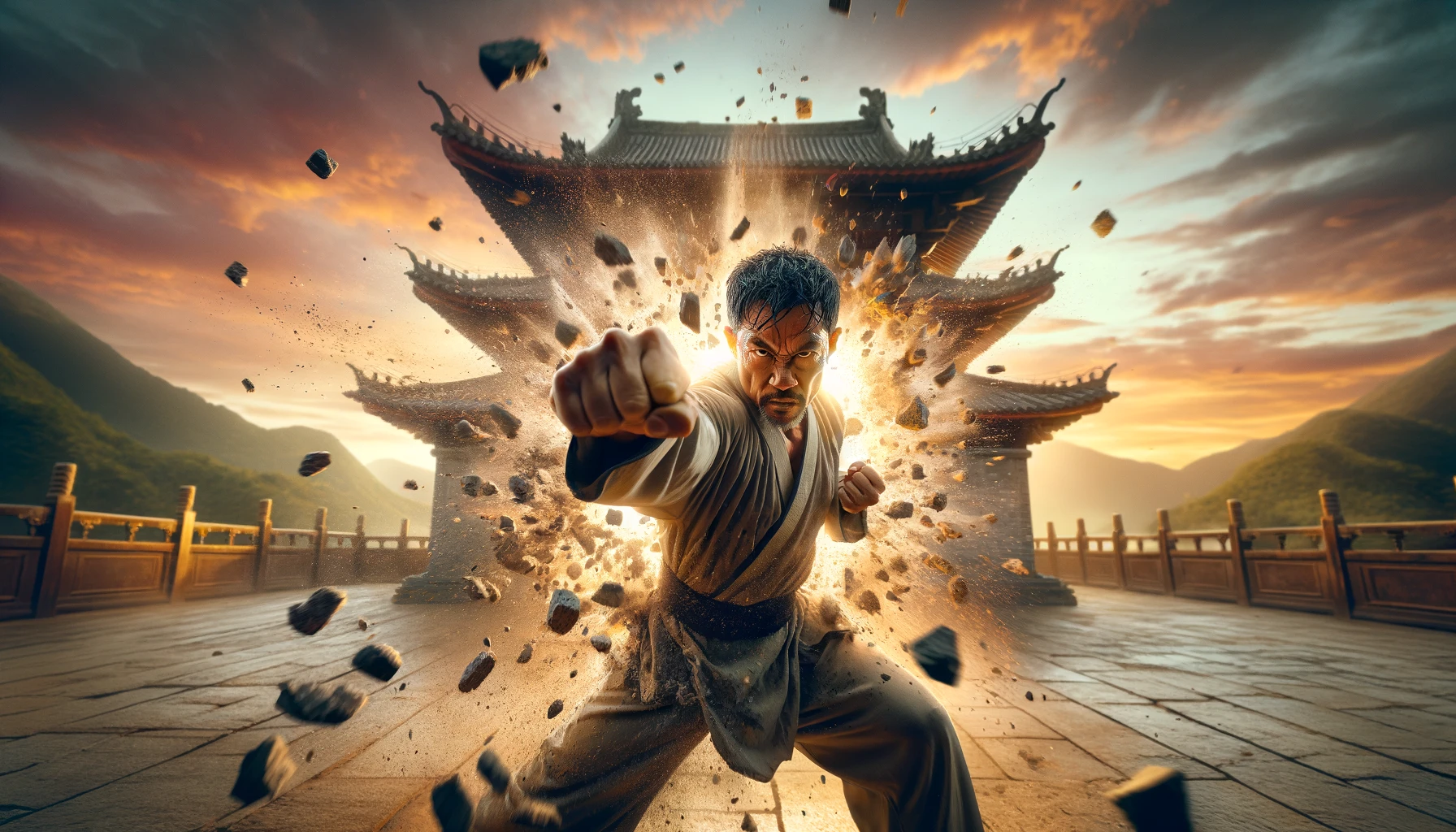
A Kung Fu master punching through a black wall.

How to Punch Harder: A Comprehensive Guide

Punching harder is a coveted skill in martial arts, boxing, and even in self-defense scenarios. The ability to deliver a powerful punch involves more than just raw strength; it’s the culmination of technique, conditioning, mass, force production capacity, and neuromuscular efficiency. While some factors are genetically determined and less susceptible to change, many aspects of punching power can be significantly improved through dedicated training and practice. This article explores the multifaceted approach to increasing your punching power, offering insights and strategies to help you unlock your full potential.

A Kung Fu master punching through a black wall.

Understanding the Foundations of Punching Power

Before diving into the methods to enhance your punching power, it’s crucial to understand the underlying factors that contribute to or limit this ability. These include:

  1. Technique: The cornerstone of effective punching, technique encompasses timing, coordination, and the optimal use of the kinetic chain to transfer force efficiently from the ground to your fist.
  2. Conditioning: A well-conditioned body can sustain higher levels of performance and is less prone to injury. Conditioning for punching power involves both general physical preparedness and specific adaptations to the stresses of punching.
  3. Mass: In the realm of physics, force equals mass times acceleration. Thus, a heavier mass moving at the same speed will deliver more force.
  4. Force Production Capacity (Strength): The ability to generate force quickly is essential for powerful punches. This capacity can be increased through strength training.
  5. Neuromuscular Efficiency: This refers to how effectively your nervous system can recruit muscle fibers during a punch. While largely genetic, there are ways to optimize this efficiency.
  6. Anthropometry: Your body’s physical dimensions, such as limb length and tendon insertion points, can influence leverage and force production. While you can’t change your anthropometry, understanding its impact can help optimize your training.

Genetic Limitations: A Reality Check

It’s important to acknowledge the genetic ceiling that exists for certain aspects of punching power. Neuromuscular efficiency and anthropometry are largely determined by your genetic makeup. For instance, individuals with longer tendons may naturally have a leverage advantage, allowing them to generate more force. Similarly, neuromuscular efficiency, which can be somewhat improved through plyometrics, is primarily innate. Recognizing these limitations is not a call to defeat but a reminder to focus your efforts on the areas where training can make a significant difference.

Maximizing Punching Power Through Technique

Technique is the most significant limiting factor on your punching power and is also the factor that has the most room for continuous improvement over time. Technique is mastered over a lifetime, though the 80/20 rule should apply. You should be able to get to about 80% of your lifetime max in 3–6 months of good coaching and then spend a decade refining your technique to get 80% of the remaining 20%, and then spend the rest of your life chasing the last few percent before Father Time catches up to you.

There are too many elements within the technique to discuss all of them here, but technique basically boils down to the following:

  1. Timing/coordination so that the entire kinetic chain works together in the most efficient way possible to transfer force off the ground and to the striking limb. Your breathing plays a significant role here, for example, as the diaphragm helps to link the lower and upper kinetic chains into a single, long unit to transfer force off the ground to your target. You need to be able to both get tense and relax at just the right moment.
  2. Distance: all human movement takes place on a curve or an arc. At some point on the arc, maximum value will be achieved. The better you are at matching up the point of maximum value on the arc with where your target is, the more force will be applied to the target, and conversely, less force can be transferred when the point of impact and the point of maximum value do not align.
  3. Alignment: alignment has two sub-categories.
    • Angle: you need to be able to keep a neutral joint angle to strike with maximum power. The most obvious example is to punch with a straight wrist. If the wrist is either flexed or extended when the punch lands, not only will you likely hurt yourself, but the bend in the wrist creates a leak in the kinetic chain through which power will be lost. Another example is a neutral spine: the CNS knows when the position of the spine is compromised and will reflexively reduce the amount of power you can generate in order to protect you from injuring yourself during the movement. Think of a self-aware 8-cylinder motor that recognizes something is wrong, and so it reduces the movement to 6, or even just 4-cylinders.
    • Rotation: if the rotation of the bones of the striking limb does not match the vector of the strike, the bones and/or ligaments and tendons will create some resistance in the movement that will reduce your power output. It’s like driving with one foot on the brakes and likewise makes you more prone to injuring yourself when the strike lands.

The Essential Role of The Heavy Bag, Mitt Work, & Expert Coaching

There are no shortcuts to mastery, especially when it comes to mastering the art of punching with power and precision in martial arts or boxing. The journey to developing a formidable punch is one that requires dedication, practice, and the right guidance. Central to this journey is the undeniable need to hit the bag and the mitts, activities that are not just about building strength but also about refining technique, timing, and the ability to deliver force effectively.

Hitting the bag allows you to practice your punches with full force, providing a sense of generating power from your legs, through your body, and out through your fists. It’s an invaluable tool for developing the kinetic chain required for a powerful punch. Similarly, working with mitts, which requires a partner or a coach, helps in honing your accuracy, timing, and ability to read and react to targets. These practices are not merely physical but deeply technical, requiring you to engage your mind as much as your body.

The importance of a good coach in this process cannot be overstated. A knowledgeable coach can significantly minimize the learning curve, providing insights into the nuances of technique that might take years to discover on your own. They can offer immediate feedback on your form, suggest adjustments, and guide you through drills that target specific areas for improvement. A coach also brings an external perspective, identifying bad habits or inefficiencies in your technique that you might not notice yourself.

The Role of Conditioning in Punching Power

Once again, the body is a very intelligent, self-aware machine. Your CNS will reduce power output anytime it senses that you cannot execute any given movement at 100% of your ability without hurting yourself, and the default level of sensitivity on this protective reflex is set to “high.”

Although it’s not a perfect example, cooks and dishwashers who are able to tolerate very hot or even boiling water without burning themselves can help us understand how this works. Even without adaptation to higher temperatures, most people’s pain threshold is set very conservatively to help us avoid injury, even though our tissues can already withstand much hotter temperatures before we burn ourselves. Over time and exposure, our CNS resets, and we can withstand much hotter temperatures without discomfort or reflexively pulling our hands back. Basically, we become desensitized. The same thing applies to punching and kicking.

There are also structural adaptations that take place over time, including increasing bone density and adaptations in the soft tissue, allowing us to strike harder without hurting ourselves. The joints need the feedback of that comes with impact to adapt over time. This is why martial artists who only practice forms or kata but seldom hit the pads or heavy bags will never reach their full potential.

Improvements in technique are largely “software” upgrades, but you need to upgrade the hardware and the software together. Working the heavy bag, focus mitts, or traditional tools from Chinese martial arts like the wall bag or striking post are all methods to achieve a harder fist and harder punches and kicks.

The Impact of Mass on Punching Power

Size matters. Full stop. If it didn’t, we wouldn’t have weight classes in combat sports. Force = mass x acceleration. More mass moving at the same speed delivers more force. It’s just math. This is one of the easiest variables to manipulate if you want to hit harder. Just eat more and gain weight. If you’re a competitive athlete, you may not want to move up a weight class, but for general purposes (like self-defense), a little extra weight is helpful for both offense (power) and defense. Many studies have shown that carrying some extra body weight helps prevent injury up to and including being shot and stabbed. Although ancient Roman gladiators are often depicted as being very lean, historical evidence shows that they were, in fact, fed high-carbohydrate diets designed to make them gain weight for exactly these reasons.

In a modern context, I would recommend focusing on gaining high-quality body weight over low-quality body weight, which brings us to our next point.

Enhancing Force Production Capacity

Power = force/time. The same amount of work done in less time equals more power. As we mentioned above, the time (speed) component is limited by the genetic endowment of how neuromuscularly efficient we are and can’t be improved much. Therefore, the most effective way most of us can increase power is by focusing on force production, i.e., getting stronger.

Barbell training represents the most efficient method for getting bigger and stronger.

Starting Strength
$25.40

Starting Strength by Mark Rippetoe is the simplest, most straightforward program for getting stronger for athletes and regular folks alike.

We earn a commission if you make a purchase, at no additional cost to you.
07/09/2024 11:43 pm GMT

Even combat sports athletes who don’t need or want to gain weight can and still should get as strong as possible, but for those of us just looking to hit harder for general purposes, we can get as strong as possible within the limits of the time and effort we’re able to devote to time under the bar, as well as the added costs of eating more and recovering. That’s going to vary from person to person, but the fact remains that within the limits of the equation p=f/t, and the more severely genetically limited factor of “t,” “f” is the factor that has the most room for improvement through training. Most people can see their deadlift increase for two to three decades after consistent training.

Neuromuscular Efficiency: Optimizing What You Can

While neuromuscular efficiency has a genetic component, certain training methods can optimize your body’s ability to recruit muscle fibers. Plyometric exercises, for example, can improve the speed and efficiency of muscle fiber recruitment, leading to more explosive movements. Although improvements may be limited to about 15-20%, optimizing neuromuscular efficiency can still contribute to a noticeable increase in punching power.

Training Strategies for Increased Punching Power

Given the multifaceted nature of punching power, a comprehensive training approach is essential. This approach should include:

  • Technical Training: Focus on refining your punching technique with the guidance of a knowledgeable coach. This includes working on timing, coordination, and the mechanics of effective punching.
  • Strength and Conditioning: Incorporate a balanced regimen of strength training and conditioning exercises tailored to improve the specific attributes needed for powerful punches. This includes both general physical preparedness and exercises targeting the kinetic chain involved in punching.
  • Impact Training: Regularly practice on heavy bags, pads, and in sparring sessions to condition your body to the impact and refine your technique under more realistic conditions.
  • Plyometrics and Explosive Training: Engage in plyometric exercises to enhance neuromuscular efficiency and explosive power, focusing on movements that mimic the dynamics of punching.
Blazepod

Boost Your Performance

The smart reaction training platform you need

Save 15% and take your martial arts training to the next level with Blazepods!

We earn a commission if you make a purchase, at no additional cost to you.

Conclusion: The Path to Punching Harder

Improving your punching power is a journey that requires dedication, smart training, and an understanding of the underlying principles that govern force production. By focusing on technique, conditioning, mass, and force production capacity, and optimizing your neuromuscular efficiency within genetic limits, you can significantly enhance your ability to deliver powerful punches. Remember, the key to unlocking your full potential lies in a holistic and disciplined approach to training, coupled with a relentless pursuit of mastery and improvement. Whether for competition, self-defense, or personal development, the power to punch harder is within your grasp, ready to be unleashed through focused effort and strategic training.

Start your journey to mastery today!

Read More!

About the Author

Ashe Higgs, I Liq Chuan Master Instructor & L2 Nutrition Coach

Ashe is a highly skilled martial arts instructor and certified nutrition coach with over two decades of experience in the field. He holds a Master Instructor certification in I Liq Chuan under Sam FS Chin, making him one of only several individuals worldwide to hold the title. He has taught classes and workshops worldwide and is passionate about helping others achieve their fitness and wellness goals.

With a background in full-contact fighting and a Level 2 certification from Precision Nutrition in nutrition coaching, Ashe is a well-rounded expert in the fields of martial arts. In addition to his expertise, he has a wealth of experience in teaching and mentoring others. He has a natural ability to connect with his students and inspire them to reach their full potential.

Read more about Ashe here…

Disclaimers & Conflicts of Interest

I am not a doctor or a lawyer, and the information provided should not be considered medical or legal advice.

The information provided is for educational and informational purposes only and should not be used as a substitute for professional legal or medical advice, diagnosis, or treatment. Consult your doctor or a qualified healthcare professional before making any changes to your diet, exercise routine, or lifestyle.

Please note that some of the links provided in this content may be affiliate links, meaning that I may receive a small commission if you purchase through them. However, please rest assured that any products or services recommended are based on my personal experience and belief in their value. I only recommend products or services that I have personally used and believe in.

Posted on

How Can I Improve My Martial Arts Grip Strength?

grip fighting using the gi

Improve Your Martial Arts Grip Strength With Jedd Johnson

Are you tired of losing your grip during intense martial arts sessions? Do you find yourself wondering, “How can I improve my martial arts grip strength?” Look no further! In this exclusive interview, I sit down with Jedd Johnson, a grip strength expert and top competitor in grip sport, to discuss the secrets of developing exceptional grip strength for martial artists. 

With an impressive list of accomplishments under his belt and years of experience honing his craft, Jedd shares invaluable insights on different types of grip strength, effective training tools, and common mistakes to avoid. Stay tuned as we dive into the world of grip strength training and unlock the potential to elevate your martial arts game to the next level!

grip fighting using the gi
Grip strength is essential for martial arts, which makes frequent use of various grabbing techniques referred to broadly as “chin na, or qín ná 擒拿 in Chinese Kung Fu.

Disclaimer Notice

Jedd Johnson, Master of Grip Sport

Ashe Higgs: Jedd, can you give us a brief intro to your background and how you got into strength training and grip strength training specifically?

Jedd: My journey with lifting started when I played baseball and basketball in high school, but I was always inspired by movies like Rocky and pro wrestling. After an injury ended my baseball career, I got serious about strength training, exploring bodybuilding, powerlifting, and Olympic weightlifting. My strong point was overhead work, which led me to compete in strongman contests.

In 2003, I learned about a grip contest in Punxsutawney, Pennsylvania. I figured grip training would benefit strongman, so I signed up. Injuries eventually took me out of strongman, but I continued with grip training, and it’s been my main focus since 2006.

Ashe Higgs: Impressive! And you have quite a list of accomplishments in grip sport, right?

Jedd: Yeah, I’ve won the national championship in my weight class or overall several times. My first overall win was in 2014, and I’ve either won or taken second place every year since. I’ve also been in the top 10 list for grip sport over the last 20 years.

Grip Strength for Martial Artists

Ashe Higgs: Fantastic. Now, let’s talk about the application of grip strength in martial arts, which is the focus of our audience.

Jedd: Absolutely. I actually have a product called “Grip Training for MMA Athletes,” which demonstrates how grip strength can benefit martial artists. Developing full-body strength, including grip strength, can give you a significant advantage in martial arts.

Master of Grip, Jedd Johnson
thegripauthority.com

Key Takeaways

  • Start with one day a week of intense lower arm training and gradually increase.
  • Start with a full-body general warmup before moving on to grip training.
  • Gradually work towards specificity, moving from full body to arms, and then grip training.
  • Combine grip training with existing movements for time efficiency and effectiveness.
  • Integrate grip training with multi-joint exercises for the upper body, like pull-ups with rolling handles or using fat grips on dumbbells for rows and curls.
  • Utilize thick bar training and open hand exercises for general hand strength.
  • Focus on low reps for building absolute grip strength (3-5 sets of 3-5 reps).
  • Include exercises that promote blood flow in your hands for recovery, such as sledgehammer finger walks, rotation balls, sledgehammer rotations, extensor work with rubber bands, rice digs, or sand digs.
  • Monitor your results closely to avoid overtraining and promote recovery.

Types of Grip Strength

Ashe Higgs

Alright, let’s dive a bit deeper into grip strength training. Many people might only think of crushing strength, like closing grippers. Could you give us a breakdown of the different types of grip strength and how they’re organized in competitions?

Jedd

Definitely. There are three main types of grip strength:

  1. Crushing.
  2. Pinching.
  3. Support grip. 

Crushing involves grippers and other exercises that require a dynamic movement of the fingers. Pinching is a type of grip strength where the thumb is the limiting factor. Examples include the two-hand pinch and block weight lifting. The last main type is support grip, which is static and requires holding onto a bar or a thick handle without any finger movement. Thick bar lifting is also part of support grip and includes exercises like the inch dumbbell and axle lifts.

Tools and Training Methods for Grip Strength

Ashe Higgs

What are some common tools and training methods for grip strength? In traditional martial arts, they had various tools for training grip strength, like the jar grip. Can you talk about some modern tools that people use?

Jedd

Certainly. There are numerous modern grip training tools available, like hub lifting, which is grouped with pinching exercises. There are also many rolling handles on the market made of steel, iron, or plastic, each presenting different challenges. The Saxon bar is another popular pinch implement, similar to an axle or thick bar deadlift. Some other common implements include the IronMind Little Big Horn, which resembles a cone and is used for training to pick up anvils.

nigiri game
traditional gripping jars, or Nigiri Game in Japanese

In grip sport competitions, we often see medleys, which are a series of challenges to be completed within a time limit, and vertical support exercises, which require gripping an object in a vertical position. All these different tools and exercises help athletes develop a well-rounded grip strength, essential for various applications, including martial arts.

Unconventional Tools and Fun Training Techniques

Ashe Higgs

So we’ve discussed different types of grip strength and various training tools. What are some unconventional tools for training grip strength, or some that are just fun to train with?

Jedd

One of the more uncommon and challenging tools is the Finnish ball. It’s a ball that sits on top of a plate and pins directly to a loading pin, requiring a key pinch grip. The key pinch can be very frustrating, especially for individuals with large hands, as they’re unable to cover the ball as well as someone with smaller hands. However, this evens the playing field for competitors with smaller hands. The hub is another implement where having large hands can be a disadvantage.

rolling handle lift
Jedd training a rolling handle lift.

Ashe Higgs

The key grip is also essential in techniques like tearing decks of cards. I believe this type of grip involves more of the intrinsic muscles of the hand rather than finger or wrist flexors.

Jedd

That’s correct. Developing strength in the key grip can be beneficial in various applications, like gripping someone’s Gi or clothing material during martial arts. It’s essential to have strength in different ways.

The author ripping a deck of cards in half.

Training Tips and Guidelines

Ashe Higgs

I’m looking for general guidelines on warmup and cooldown, volume, intensity, and training frequency, and how to avoid overtraining and keeping hands healthy. Can you give me some tips on these aspects?

Jedd

Certainly. For warmup, start with a full-body general warmup before moving on to grip training. Bodyweight squats, light barbell squats, goblet squats, push-ups, presses, and curls can help. Gradually work towards specificity, moving from full body to arms, and then grip training.

Regarding loading and volume, I recommend focusing on low reps for building absolute grip strength. Aim for 3-5 sets of 3-5 reps, or even lower if you want to peak your strength. Keep in mind that everyone is different, and factors like your job and daily hand use will affect your ability to handle the volume in grip training.

To avoid overtraining and promote recovery, monitor your results closely. If you’re not seeing progress, it could be due to technique flaws or doing too much without enough recovery. To aid recovery, focus on exercises that promote blood flow in your hands, such as sledgehammer finger walks, rotation balls, sledgehammer rotations, extensor work with rubber bands, rice digs, or sand digs. These exercises can help keep your hands healthy and improve recovery time.

Beginner’s Grip Strength Training for Martial Arts

Ashe Higgs

For beginners looking to improve grip strength for martial arts, what would you recommend in terms of training schedule, volume, and intensity?

Jedd

I work with a lot of wrestlers, and we focus on integrating grip training with multi-joint exercises for the upper body, like pull-ups with rolling handles or using fat grips on dumbbells for rows and curls. Starting with one day a week of intense lower arm training and gradually increasing from there is a good approach. Exercises like wrist curls, reverse wrist curls, and reverse curls with an easy curl bar can help introduce grip training stresses to beginners. Thick bar training and open hand exercises are also beneficial for general hand strength.

Ashe Higgs

What do you think is the lowest hanging fruit in training grip strength for martial arts?

Jedd

Integrating grip training with exercises that martial artists are already doing is a practical approach. Using thick bars, hanging globes, or cannonballs for pull-ups and other exercises helps develop grip strength without adding extra isolated exercises. The key is to combine grip training with existing movements, which can be both time-efficient and effective.

Common Mistakes in Grip Strength Training

Ashe Higgs

What are some of the most common mistakes that beginners make when they start grip strength training?

Jedd

One common mistake is trying to do too much too soon, which can lead to injuries in the forearm or elbow. It’s important to start with conditioning and gradually increase the intensity and volume of training. Another mistake is focusing too much on grippers. While grippers are a popular and convenient way to train grip strength, the strength developed from grippers doesn’t always correlate well or carry over to sports performance. It’s crucial not to rely solely on grippers for grip training and to incorporate a variety of exercises to improve overall grip strength.

Ashe Higgs

That makes sense. And you know, going back to what we were saying at the beginning, there are basically three different types of grip strength, and crushing strength displayed with grippers won’t necessarily transfer over to an activity like martial arts or wrestling, because you can’t completely wrap your fingers around your opponent the same way you would with grippers. So with that, why don’t you tell us a bit about your coaching programs and where people can find you?

Jedd Johnson’s Coaching Programs

Jedd

I have two coaching programs. The first one is a basic instructional website called thegripauthority.com. It has around 1,000 posts on grip training, including a few on martial arts training. Most of the content is focused on grip sport training, but the techniques covered can help iron out many factors that athletes need to contend with when trying to perform well on any given implement.

The second coaching program is more of a virtual coaching setup. I create a week-long program for clients based on their needs. About 50% of my clients are grip sport competitors, while the rest are looking to improve their grip strength for other reasons. I’ve worked with people training for the Marines and others who needed to meet specific physical requirements. I set up a week’s worth of work for them, and they complete the training and send it back to me. I update it every week, as it’s challenging to set up multiple weeks of training for those with less experience in grip training.

This coaching program is called the Grip Task Force. We start with a coaching call to identify the client’s goals, and then I send them a week’s worth of training. They send it back, I update it, and we do a follow-up call every two weeks for Q&A and video analysis. During their time in the Grip Task Force coaching program, they also get access to thegripauthority.com for additional resources and information.

You can find me and my coaching programs at thegripauthority.com and by searching for Grip Task Force online.

Conclusion

As we conclude our insightful discussion with Jedd Johnson, we are left with valuable knowledge and methods to improve our martial arts grip strength. We’ve delved into the various types of grip strength, explored both conventional and unconventional training tools, and learned how to avoid common pitfalls in our training. With Jedd’s expert guidance, martial artists from all disciplines can now take their grip strength to new heights and unlock untold potential in their practice. As you embark on your own path to grip mastery, remember the wisdom shared by Jedd and embrace the power of a strong grip to achieve unparalleled success in the world of martial arts.

I extend my heartfelt gratitude to Jedd for taking the time to share his expertise and insights with me. His dedication to the art of grip strength and passion for coaching others have made this interview truly enlightening. Jedd’s emphasis on technique as a crucial factor in grip strength development reminds us that, like martial arts, proper coaching can save years of trial and error in our quest for mastery.

To all our readers looking to improve their grip strength for martial arts or other pursuits, we highly recommend considering Jedd’s coaching programs, such as The Grip Authority and Grip Task Force. With his guidance, you can unlock the secrets of exceptional grip strength and hone the techniques that will elevate your performance to new heights. Don’t miss this opportunity to learn from a true expert in the field and enhance your martial arts journey with the power of a strong grip.

Support My Work

Show Some Love

If you found this article useful, you can support my blog by making a purchase from our Amazon Storefront and help me continue to provide valuable content.

If you’re ready to embark on your own journey of personal growth through martial arts, here are three ways I can help:

  1. Consider our small group or online martial arts classes to start your practice.
  2. Explore our other articles to deepen your understanding.
  3. Book a free discovery call to find out if one of our programs is right for you.
Start your journey to mastery today!

Read More!

About the Author

Ashe Higgs, I Liq Chuan Master Instructor & L2 Nutrition Coach

Ashe is a highly skilled martial arts instructor and certified nutrition coach with over two decades of experience in the field. He holds a Master Instructor certification in I Liq Chuan under Sam FS Chin, making him one of only several individuals worldwide to hold the title. He has taught classes and workshops worldwide and is passionate about helping others achieve their fitness and wellness goals.

With a background in full-contact fighting and a Level 2 certification from Precision Nutrition in nutrition coaching, Ashe is a well-rounded expert in the fields of martial arts. In addition to his expertise, he has a wealth of experience in teaching and mentoring others. He has a natural ability to connect with his students and inspire them to reach their full potential.

Read more about Ashe here…

Disclaimers & Conflicts of Interest

I am not a doctor or a lawyer, and the information provided should not be considered medical or legal advice.

The information provided is for educational and informational purposes only and should not be used as a substitute for professional legal or medical advice, diagnosis, or treatment. Consult your doctor or a qualified healthcare professional before making any changes to your diet, exercise routine, or lifestyle.

Please note that some of the links provided in this content may be affiliate links, meaning that I may receive a small commission if you purchase through them. However, please rest assured that any products or services recommended are based on my personal experience and belief in their value. I only recommend products or services that I have personally used and believe in.
Posted on

Top 7 Metrics for Martial Arts and Fitness Enthusiasts

fit woman

Unlocking Your Full Martial Arts & Fitness Potential

Are you ready to unlock your full potential with your martial arts and fitness training? It all starts with tracking the right metrics to improve your performance, prevent injuries, and achieve your goals.

But which metrics should you track, and how can they help you reach your full potential? The truth is, there’s a lot of martial arts and fitness myths and “bro-science” floating around that could hinder your progress.

In this article, we will reveal the key metrics that every martial artist and fitness enthusiast should track to maximize their performance. By the end of this article, you will have a clear understanding of how these metrics can help you achieve your goals and reach your full potential.

Martial arts and fitness are intimately connected. Being fit to fight is crucial, and all cultures across history have recognized the importance of conditioning their soldiers.

A martial artist must have the discipline, concentration, and physical ability to execute techniques with power and explosiveness while maintaining balance and center.

For self-defense, the penalty for failure can be catastrophic. Individual fitness and physical performance could mean the difference between life and death, especially for soldiers on the battlefield.

From Sparta To Modern Day

The ancient Greeks placed a high value on developing a strong mind and body. The Spartans, in particular, were renowned for their rigorous physical training and discipline, which were considered essential to producing elite warriors.

They believed that a strong body was necessary for a strong mind and that physical fitness was integral to mental well-being. The ancient Greeks had it right all along!

Without a high level of aerobic and anaerobic capacity, muscular endurance, and strength, a fighter will struggle to last long in a fight or deliver effective strikes and blocks. Being fit to fight helps prevent injury, as a strong, healthy body is less prone to it and can recover faster.

It’s understandable to feel overwhelmed with all the conflicting information out there. Many people fall prey to common myths and bro-science, wasting time and effort. But fear not; by focusing on proven strategies outlined below, you can achieve your fitness and martial arts goals more efficiently and effectively. Discover the truth about what really works and what doesn’t. Get ready to level up your game with these secrets.


The more you sweat in training, the less you bleed in battle.
~Patton

image of an ancient Spartan warrior.
The Spartans were famous for their martial arts and fitness training. IYKYK

Before we dive in, it’s important to note that this article is not a specific fitness program. Rather, it serves as a guide to help you focus on key areas, evaluate your current fitness level, and set achievable goals. Please consult a qualified medical professional before beginning any new exercise program or making significant changes to your current routine.

Key Metrics For Martial Arts And Fitness

Beautiful Strength

Bruce Lee was a pioneer of fitness for martial arts
Bruce Lee focused heavily on his core strength. He was famous for his “dragon flag.”

The old Greek phrase “kalos stenos” translates to “beautiful strength” in English. It is the root of our modern term “calisthenics.” Strength refers to the maximum force an athlete can generate against resistance. It is an essential metric for martial arts and fitness performance, as it determines an athlete’s ability to lift heavy weights and resist external forces (such as an opponent).

In research on mortality, there tends to be a publication bias favoring low-intensity steady-state cardio (LISS). This is due at least in part because it takes no skill on the part of study participants to jump on a treadmill or an exercise bike, or any coaching skill on the part of researchers to do the same.

However, strength has been shown to be a better predictor of your mortality risk than aerobic fitness. Increasing your strength will yield the greatest return on investment for your overall health and quality of life.

Back to top…

Grip strength

Grip strength is an often underdeveloped aspect of physical fitness. However, it is essential for martial arts practitioners, who need to be able to control their opponents’ movements and techniques.

Research has shown that grip strength is a strong predictor of mortality in both men and women, regardless of age or health status.[1] The link between grip strength and mortality is thought to be due to the fact that grip strength is a measure of overall muscle strength and is indicative of a person’s overall physical function and health. As such, grip strength is increasingly being recognized as an important measure of overall health and a useful tool for identifying individuals at risk of premature death.

Gripping jars, or wine jars/pots, 酒罈 jiu3 tan2 in Chinese, were traditional methods of improving grip strength.

Traditional martial arts like Uechi-ryu, a style of Okinawan karate, utilize a unique training tool called Nigiri Game, or “gripping jars,” to develop grip strength. These jars come in various sizes and weights and are filled with sand or pebbles.

Practitioners grip the jars with their fingers, forearms, and wrists, and perform various exercises to strengthen their grip. The use of Nigiri Game in Uechi-ryu is an effective way to improve grip strength, which is essential for performing techniques that require a strong grip in martial arts.


In the modern era, trainees have a wide variety of equipment available to train their grip strength.  You can check out a selection of equipment I use myself in our Amazon Storefront in the grip strength section.

Back to top…

Leg strength

kung fu master with sword
The low stances used in traditional martial arts improve the strength and flexibility of the legs.

Leg strength is another critical area for martial arts practitioners. Strong legs are essential for generating power in strikes and kicks, as well as for maintaining balance and stability during movements.

Grandmaster Sam Chin, the founder of Zhong Xin Dao I Liq Chuan is often critical of Western strength training methods, especially the disproportionate emphasis on upper-body strength by your average gym bro. GM Chin says, “Chinese Kung Fu doesn’t focus on the upper body so much; we focus more on the legs. If you want to know if someone is dangerous, look at their legs.

Martial arts and fitness training can help develop leg strength through exercises such as squats and low-stance movements. These exercises focus on developing the leg muscles, improving both strength and endurance.

The ability to transition from sitting on the floor to standing without using your hands has been shown to be another strong predictor of mortality.[2]

*Edit – the validity of the results of this research has been debated; however, I think it’s hard to argue against the ability to quickly and easily transition from the ground to a standing position, particularly with regards to martial arts and self-defense.)

Back to top…

Ancient Strength Training

A full 30-minute “Persian Yoga” workout.

One of the oldest strength-training methods for martial arts still in use comes from ancient Persia (modern-day Iran). Persian strength-training methods use three tools: meel, shena, and sang.

The meel is a long, wooden club used in pairs for rotational and swinging exercises to improve grip strength and overall body control. The shena is a flat, rectangular wooden plank used for exercises resembling Hindu pushups, focusing on upper-body and core strength. They use these tools to improve grip strength, core stability, and overall physical strength and conditioning.

Back to top…


Power

Power is the ability to exert maximum force in the shortest possible time. It is a crucial metric for martial arts and fitness performance, as it determines a fighter’s explosiveness and ability to generate force quickly. 

In Chinese martial arts (kung fu), Fajin 發勁 refers to an explosive release of power, a sudden burst of energy from the whole body directed toward the target. The term Fajin literally translates to “explosive power.”

Internal martial arts styles, such as Tai Chi and Bagua, and external martial arts styles, such as Shaolin Kung Fu, often use Fajin. The practice of Fajin involves a combination of physical and mental training. It requires an understanding of body mechanics, breathing techniques, and mental focus to execute the technique effectively. To generate Fajin, a practitioner must first generate and store energy through proper breathing and relaxation techniques. This energy is then released explosively through the entire body, from the feet to the hands, resulting in a sudden burst of power.

Related Article: Beginner’s Guide To Martial Arts Equipment

Some of the modern exercises that can improve power include explosive plyometrics, Olympic lifts, and medicine ball throws. Using a heavy bag and hitting pads are effective methods to develop power in martial arts and combat sports.

These tools allow practitioners to practice striking with maximum force and speed, which can translate into more powerful strikes during competition. Consistent training on the heavy bag and pads can also improve overall technique and accuracy.

Back to top…

Body Composition

Body composition refers to the proportion of fat and muscle mass in an athlete’s body. It is a crucial metric for martial arts and fitness performance, as it determines an athlete’s overall health and fitness level. A low body fat percentage and a high muscle mass percentage indicate good body composition. Proper nutrition and regular exercise can help improve body composition.

While not the primary focus of martial arts and fitness training, building muscle mass is still an essential component of physical fitness. Building muscle can improve overall strength, power, and endurance. Combat sports athletes who compete in a specific weight class may need to be careful not to build too much muscle.

Muscle mass is also a very oxygen-hungry tissue and may adversely impact endurance to varying degrees or change weight classes.

Dr. Gabrielle Lyon conducts research on protein and refers to muscle as “the organ of longevity.” She believes that muscle is critical for healthy aging and can prevent chronic diseases. Muscle mass not only helps us interact with our environment more effectively by making us stronger, but it also plays a role in both a healthy immune system [3] and a healthy hormonal milieu [4], including insulin sensitivity and testosterone levels.

Combat Sports & Weight Class

For athletes who compete in weight classes, the goal is to be as strong and lean as possible at the lightest weight within their class. This allows them to maximize their power-to-weight ratio and compete at their optimal performance level. However, it is important to note that super heavyweights can be an exception to this rule, as they are not limited by weight restrictions.

To achieve their optimal body composition, athletes must focus on proper nutrition and training. This includes a high-protein diet balanced with fat and carbohydrate, as well as strength and conditioning training that targets both muscle development and fat loss. It is important for athletes to work with a qualified nutritionist and strength coach to develop a plan that is tailored to their individual needs and goals.

Maintaining a healthy body composition is not only important for performance in competition but also for overall health and well-being. Excessive weight cutting or gaining can have negative effects on an athlete’s health, both in the short and long term. Therefore, it is crucial for athletes to approach weight management in a responsible and sustainable way, in order to maximize their potential and ensure their long-term health and success.

If you would like to read more about martial arts and building muscle, please read our article Can Martial Arts Build Muscle?

image of healthy foods that help with martial arts and fitness
Check out our nutrition coaching program. 100% online; join from anywhere in the world.

Back to top…

Muscular Endurance

Hung Gar’s Tid Sit Kuen, or “Iron Wire”

Muscular endurance is the ability of a fighter’s muscles to perform repetitive contractions without fatigue. It is a crucial metric for martial arts and fitness performance, as it determines an athlete’s ability to sustain prolonged efforts. 

Chinese Kung Fu styles like Hung Gar have special exercises like “Iron Wire,” which require us to maintain constant tension throughout the body.  In I Liq Chuan, we use a similar training method, which we refer to as “wrapping” or “winding.”

Kettlebells are an especially effective tool for developing muscular endurance, as are low-load, high-repetition lifts used frequently by many CrossFit facilities.  Regular sparring and grappling in martial arts will also effectively improve muscular endurance, especially in grappling, where muscular contraction is frequently held for sustained periods during submission holds such as chokes.

Back to top…

Anaerobic Capacity

Anaerobic capacity refers to an athlete’s ability to perform high-intensity activities without enough oxygen (i.e., the mechanical limitations of your breathing cannot keep up with the demand for oxygen). It is an essential metric for martial arts and fitness performance, as it determines an athlete’s ability to perform explosive movements and quick bursts of energy. Sprinting, HIIT, and plyometrics are some of the exercises that can improve anaerobic capacity. Intense sparring or live rolling in martial arts will also increase anaerobic capacity.  If you’re training hard enough that you cannot maintain nasal breathing only, you are training in the anaerobic range, often referred to as Zone 3, or Zone 4 training, where lactate production in the muscle is high.

Back to top…

Aerobic Capacity

Aerobic capacity refers to an athlete’s ability to perform prolonged activities with sufficient oxygen. It is an essential metric for martial arts and fitness performance, as it determines an athlete’s ability to perform activities for an extended period.  If you can breathe comfortably through only your nose, or you can carry on a conversation while training, you’re in the aerobic zone, or Zone 2.

Zone 2 & The MAF Method

Zone 2 training is a method of endurance training that involves working out at a specific heart rate range, which is generally between 60-70% of an individual’s maximum heart rate. This method of training is aimed at improving an athlete’s aerobic capacity and endurance, which can have significant benefits for overall health and athletic performance.

Phil Maffetone is an excellent resource for zone 2 training, as he is a renowned coach and author who has popularized the method. Maffetone’s approach to training is based on the principles of developing an efficient aerobic system, which is achieved through consistent training at a low intensity in Zone 2. He believes that this approach helps to improve an athlete’s metabolic efficiency, allowing them to burn fat as a primary fuel source and conserve carbohydrate stores.

Maffetone’s approach to training is based on the concept of the MAF (Maximum Aerobic Function) heart rate, which is the highest heart rate at which an individual can maintain a strictly aerobic effort. By training at or below this heart rate, athletes can improve their aerobic capacity and endurance without the negative effects of overtraining or injury.

Zone 2 training has become increasingly popular in endurance sports, with many athletes and coaches recognizing its benefits for long-term health and performance. By focusing on developing the aerobic system through consistent low-intensity training, athletes can improve their ability to perform at higher intensities without experiencing the negative effects of overtraining or injury.

Back to top…

VO₂ max

VO₂ max is the maximum amount of oxygen an athlete can consume during exercise. It is a crucial metric for martial arts and fitness performance, as it determines an athlete’s endurance capacity. 

VO₂ max is the maximum amount of oxygen an athlete can consume during exercise and is typically measured in milliliters of oxygen per kilogram of body weight per minute (ml/kg/min).

The measurement of VO₂ max involves an athlete performing a graded exercise test on a treadmill or stationary bike, while wearing a mask or mouthpiece that measures their oxygen consumption and carbon dioxide production. During the test, the intensity of the exercise is gradually increased until the athlete reaches their maximum effort level.

The test measures the amount of oxygen the athlete consumes and the amount of carbon dioxide they produce during exercise. By analyzing these measurements, the athlete’s VO₂ max can be calculated. The test is typically conducted in a laboratory setting, and the results can provide valuable information about an athlete’s cardiovascular fitness level and endurance capacity.

There are several factors that can affect an athlete’s VO₂ max, including genetics, age, gender, and training level. However, by focusing on endurance training activities such as running, cycling, or swimming, athletes can improve their VO₂ max over time.

Back to top…


Assessing Your Fitness

Stanford professor of neurobiology and podcaster Andrew Huberman recently ran a six-episode series on all things fitness with guest Andy Galpin. Andy is a well-known professor of exercise physiology and researcher in the field of human performance. He is also a strength and conditioning coach who has worked with various professional athletes and teams. Below is a summary of the key fitness assessments and their requirements that you can use to evaluate yourself, presented by Professor Galpin throughout the series.

Back to top…

Power Test:

Power is the combination of strength and speed. But how can you measure power? By measuring your jumps.

To pass this test, you must be able to complete a broad jump that is at least the same length as your height. For females, a 15% deduction is applied. A vertical jump, with hands together above your head, is also an option. A minimum of 24 inches is required for men, while those over 50 can get away with 20 inches. For women, a 15% deduction is also applied.

Body Composition:

Your body composition is the foundation of your physical performance. By tracking your body fat percentage and muscle mass, you can optimize your strength, speed, and endurance. But what is the ideal body fat percentage for men and women, and how can you measure it accurately?

The DEXA scan Fat-Free Mass Index (FFMI) should be 20 or higher for men and 18 for women, assuming the person has a body fat below 30%. Less than 17 for men and 15 for women is not considered good.

At Home Test

To assess body composition at home, a simple test measures the hip-to-waist ratio with a tool like a body tape. To do this, measure the narrowest part of the waist and the widest part of the hips, then divide the hip measurement by the waist measurement. A ratio greater than 0.8 for women or 1.0 for men suggests excess body fat and increased risk for health problems. This method provides a quick and easy way to monitor body composition changes over time.

Aerobic Capacity Test:

You must maintain a non-walking pace for at least 20 minutes straight, ideally with nasal breathing only.

Strength Tests:

Grip strength is crucial in this test, with 40 kgs being the minimum requirement. Ideally, you should be able to lift past 60 kgs with less than a 10% deviation between your hands. Women have a 35kg cutoff, with 50 kg being preferred. You can optionally do a dead hang for time, with an average of 30 to 50 seconds. Over 60 seconds is excellent, with women usually performing better in this area. A bilateral leg extension of one rep with body weight is also required. For those over 40 years of age, a 10% decrease per decade is acceptable. You can also do a goblet squat hold with half your body weight for 45 seconds. As an intro, 1/3 of your body weight for 30 seconds is okay.

Muscular Endurance:

You must hold a front plank for 60 seconds and a side plank for 45 seconds. For push-ups, a minimum of ten reps is required, with 25+ consecutive push-ups being ideal. Between 10-25 reps is acceptable, with 15 reps for females being preferred. 5-15 is okay, while sub 5 is slightly problematic. Zero is a significant issue.

VO2 Max:

You can perform this test by running for 12 minutes to measure the maximum distance covered or by doing it in a lab with a mask on. You need to cover a minimum of 1 to 2+ miles within 12 minutes.

Anaerobic Capacity:

This test requires 30 seconds of maximal effort without worrying about technique. Your maximum heart rate should decrease by 0.5 beats per second or 30 beats every minute for the next three minutes.

Back to top…


Simplified Fitness Assessment

Mark Rippetoe, aka “Rip,” developed the Starting Strength method.
image source: Wikipedia

Mark Rippetoe, aka “Rip,” is a strength training coach and author who has developed the Starting Strength method, a program focused on the basic barbell exercises: squat, bench press, deadlift, press, and power clean. Rip proposes a much simpler standard for strength and fitness that requires no specialized equipment (besides a barbell and a stopwatch):

  • 2x bodyweight squat
  • 2.5x body weight deadlift
  • 1x bodyweight overhead press
  • 12 chin ups
  • 70-second 400m sprint

Back to top…


Summary & Conclusion

Martial arts and fitness must be balanced to bring out the best in ourselves
Martial arts and fitness must be balanced to bring out the best in ourselves.

In martial arts and combat sports, skill and fitness are crucial for success. Skill rests atop capacity, meaning that one’s ability to perform well in their chosen discipline ultimately depends on their physical capacity. To train effectively, practitioners must be fit for duty, but this does not mean that fitness should take priority over skill development.

Like yin and yang, the two must be kept in balance. While it is important to focus on improving physical fitness through strength and conditioning training, it is equally important to dedicate time to skill development through technique drills and sparring. Neglecting either component can lead to an imbalance in training, which can negatively impact performance in competition or self-defense.

Fitness Is Individual

Maintaining a balance between skill and fitness also requires an understanding of one’s individual strengths and weaknesses. By identifying areas of weakness, practitioners can tailor their training to address these areas, whether it be through additional skill development or targeted fitness training.

Ultimately, well-rounded martial artists should prioritize the development of technique and skill while also incorporating strength and conditioning training to supplement their abilities. By maintaining a balanced approach to training, martial artists can achieve the highest level of success and proficiency in their chosen art.

In conclusion, martial arts and fitness training offer a comprehensive approach to physical fitness, encompassing strength, endurance, and agility. Whether you want to improve your health, develop practical self-defense skills, or simply challenge yourself, martial arts and fitness are excellent choices. So embrace the philosophy, practice with discipline, and become like water, adapting to any situation with ease and grace. Remember, martial arts and fitness are not just about physical prowess but also about achieving balance and harmony in all aspects of your life.

Next Steps

Are you looking for a unique way to improve your fitness and mind-body connection? Join Falling Leaves Kung Fu and experience the transformative power of I Liq Chuan. Our expert instructors will guide you through this complete martial art, designed to strengthen your body and sharpen your mind. Don’t miss this opportunity to improve your health and well-being. Sign up for our classes today! With online coaching available, you can join our program from anywhere worldwide. You can also check out our guides on deciding which martial art program is right for you or what to look for in a martial arts school.

Start your journey to mastery today!

Read More!

About the Author

Ashe Higgs, I Liq Chuan Master Instructor & L2 Nutrition Coach

Ashe is a highly skilled martial arts instructor and certified nutrition coach with over two decades of experience in the field. He holds a Master Instructor certification in I Liq Chuan under Sam FS Chin, making him one of only several individuals worldwide to hold the title. He has taught classes and workshops worldwide and is passionate about helping others achieve their fitness and wellness goals.

With a background in full-contact fighting and a Level 2 certification from Precision Nutrition in nutrition coaching, Ashe is a well-rounded expert in the fields of martial arts. In addition to his expertise, he has a wealth of experience in teaching and mentoring others. He has a natural ability to connect with his students and inspire them to reach their full potential.

Read more about Ashe here…

Back to top…

Disclaimers & Conflicts of Interest

I am not a doctor or a lawyer, and the information provided should not be considered medical or legal advice.

The information provided is for educational and informational purposes only and should not be used as a substitute for professional legal or medical advice, diagnosis, or treatment. Consult your doctor or a qualified healthcare professional before making any changes to your diet, exercise routine, or lifestyle.

Please note that some of the links provided in this content may be affiliate links, meaning that I may receive a small commission if you purchase through them. However, please rest assured that any products or services recommended are based on my personal experience and belief in their value. I only recommend products or services that I have personally used and believe in.

Back to top…

References

  1. Gale, Catharine R., et al. “Grip strength, body composition, and mortality.” International journal of epidemiology 36.1 (2007): 228-235.
  2. De Brito, Leonardo Barbosa Barreto, et al. “Ability to sit and rise from the floor as a predictor of all-cause mortality.” European journal of preventive cardiology 21.7 (2014): 892-898.
  3. Rogeri, Patricia S et al. “Crosstalk Between Skeletal Muscle and Immune System: Which Roles Do IL-6 and Glutamine Play?.” Frontiers in physiology vol. 11 582258. 16 Oct. 2020, doi:10.3389/fphys.2020.582258
  4. Pedersen, Bente K., and Mark A. Febbraio. “Muscle as an endocrine organ: focus on muscle-derived interleukin-6.” Physiological reviews (2008).

Back to top…

Posted on

Can Martial Arts Build Muscle?

unknown (1)

One of the most frequently asked questions I get is, “can martial arts help me build muscle?” Crossfit and bodybuilding aren’t for everybody, but most people still understand at a gut level that building muscle and strength is important. Indeed, a recent review of 10 studies looking at the benefits of strength training found the strongest evidence to date (no pun intended) that any amount of strength training significantly reduced death from all causes, including heart disease and cancer!

Martial arts are a popular form of exercise that can be a great way to build muscle, improve overall fitness, and develop coordination and skill. This article will explore three ways martial arts can help build muscle, including resistance training, sparring, and conditioning exercises.

Key Takeaways

Martial arts can help you build muscle in three ways:
  • Resistance Training
  • Partner Work
  • Conditioning
Limitations of martial arts & building muscle:
  • Specificity
  • Intensity
  • Individual factors like age
  • diet & lifestyle factors like sleep

We’ll also consider potential limitations or challenges that may affect the extent to which martial arts can help build muscle, such as intensity, focus on muscle growth, and individual differences. Whether martial arts is an effective way to build muscle will depend on your current condition and any potential limitations or challenges.

In addition to the physical benefits of building muscle, practicing martial arts can also have numerous other benefits, such as improving coordination, flexibility, and mental focus. It can also be a fun and enjoyable way to stay active, maintain a healthy lifestyle, and meet like-minded people who share your values.

Will Martial Arts Build Muscle?

The author in peak condition

If you haven’t been very active recently, almost anything can help you build muscle. This study looked at how different types of exercise affected obese women’s bodies and health. The women were split into two groups. One group did cardio, and the other did resistance exercise for 12 weeks. Both groups lost fat and gained lean muscle mass. 

However, as individuals become more accustomed to their training program and less out of shape, the adaptation processes start to specialize; this means that after about eight weeks, if you want to continue to develop new muscle, you will have to adjust your training. After that, how much muscle you can develop will depend on several factors.


3 Ways Martial Arts Training Can Help You Build Muscle & Get In Shape

  1. Resistance training: Western-style weightlifting is a recent addition to martial arts programs, but traditional martial arts have always incorporated resistance training of various kinds over the centuries.
  2. Sparring: Many martial arts styles, such as boxing, kickboxing, and judo, include sparring as a regular part of training. However, hard sparring isn’t the only type of partner training you will practice in martial arts. For example, in I Liq Chuan, we have a unique training method called spinning hands, which involves a lot of heavy pulling and pushing with a partner. It can help to build muscle, as well as improve cardiovascular endurance and overall physical fitness.
  3. Conditioning training: A martial arts conditioning program typically includes a variety of exercises to improve cardiovascular endurance, power, speed, and flexibility. These may consist of running, plyometrics, agility drills, and stretching. The program may also have specific exercises or drills to improve martial arts skills, such as footwork, punching, and kicking.

Resistance Training

Bruce Lee represents the pinnacle of the martial artist’s physique in the minds of many, and for a good reason. Lee was a pioneer in incorporating modern resistance training methods into his martial arts regimen. Resistance training involves using external resistance to increase muscle strength and endurance. Martial arts have always included resistance training. However, it has taken very different shapes and forms throughout history.

Ancient Resistance Training Methods

Western-style strength training primarily uses barbells and dumbbells. It tends to focus on the sagittal plane and moving the bar in a straight line. In contrast, Eastern strength training methods are much more circular and multiplanar in nature. 

The earliest form of strength training in martial arts likely originated in ancient Persia. It involved using heavy clubs called ‘meel,’ large wooden shields called ‘sang,’ and a board called the ‘shena’ for pushup-like exercises. These ancient forms of resistance training are still in use today, especially in Iran, where men meet and train in “houses of strength.” This type of training has a history stretching back possibly 5000 years.

Chinese Kung Fu has its own unique strength training culture, which uses a variety of specialized equipment. The Chinese also developed training methods using a barbell made of bamboo or wood with stone plates on one or both ends, called the “single-head” and “double-head,” respectively. Unlike a Western-style barbell, single and double-headed exercises in martial arts are very dynamic. They involve a lot of swinging and twirling the weights around the body in a circular manner or tossing and catching the weights to strengthen the hands for fighting.

The stone lock is another tool unique to Chinese kung fu. Also used in a swinging, circular fashion or thrown and caught, You can train the stone lock alone or with a partner/small group.

Partner Training

Partner training is another form of training common in martial arts that can help you build muscle, particularly in grappling arts. No activity on earth is more intense and exhausting than fighting or wrestling with another human being! If you’ve ever seen the bull-like necks, thick traps, and gorilla-esque arms of an Olympic wrestler, there can be no doubt about the effectiveness of partner training for building muscle. Remember, resistance exercise is just applying force to an external resistance, which can include another person.

In I Liq Chuan, our fundamental partner training exercise is spinning hands. Unlike Western-style strength training with a barbell, spinning hands develops strength through rotation via a series of pushing, pulling, and “grinding” circular movements with a partner.

Conditioning

Some possible components of a martial arts conditioning program may include:

  1. Cardio training: This may involve activities such as running, shadow boxing, or skipping rope to improve cardiovascular endurance.
  2. Strength training: This may involve weight lifting, calisthenics, or bodyweight exercises to build strength and muscle.
  3. Power training may involve exercises such as plyometrics or medicine ball throws to improve explosive power and speed.
  4. Speed and agility training may involve drills and exercises designed to improve quickness and coordination, such as ladder or cone drills.
  5. Flexibility training: This may involve activities such as stretching or yoga to improve flexibility and reduce the risk of injury.
  6. Body hardening: many martial arts have a variety of body hardening training to desensitize the body to pain, increase bone density for striking and kicking, and ability to absorb impact without injury.

Chinese kung fu, in particular, has a rich history of conditioning and body-hardening techniques. In the video below, Sifu Chris Heintzman demonstrates a few of the unique methods for strength training and body hardening from his Tibetan Hop Gar lineage. (I know Chris from my san da days, and he’s one of the teachers active today I would recommend without hesitation.)

Historically, traditional kung fu had many different training programs to improve resilience and toughness, such as “iron vest/iron body” and “Golden Bell” sets. In addition to subjecting the body to increased stress through repeatedly striking wooden posts, sandbags, etc., these sets also involved various forms of qigong and herbs to help improve recovery between training sessions and help prevent the disability that can happen when we subject ourselves to intense conditioning methods.

Limitations Of Martial Arts & Building Muscle

It’s worth noting that while martial arts can be an excellent way to build muscle, it may not be suitable for everyone, and there may be certain limitations to the extent to which it can help build muscle. Here are three potential reasons why martial arts may not help build muscle for some people:

  1. Insufficient intensity: While martial arts can be a high-intensity workout, it may not be sufficient to stimulate muscle growth for some people, especially if they are already highly fit or are not training with enough intensity or volume. Muscle growth occurs when the muscles are subjected to progressively more challenging workouts over time, and the intensity and volume of the training need to be sufficient to stimulate this adaptation.
  2. Limited focus on muscle growth: While some martial arts styles may include specific training drills and exercises that focus on building muscle, others may not emphasize this aspect of training. As a result, individuals primarily interested in building muscle may see less progress through martial arts compared to other training types that focus on muscle growth.
  3. Individual differences: Finally, it’s essential to remember that everyone is different and will respond differently to training. Some people may have a natural tendency to build muscle more easily than others, which can be influenced by genetics, age, and hormone levels. As a result, even if martial arts is an effective way to build muscle for some people, it may have a different effect for everyone.

Other Considerations For Building Muscle

You can’t out-train a bad diet! Proper sleep and nutrition are crucial. Adequate sleep allows the body to recover, while a balanced diet provides the necessary nutrients for growth. Skimping on either of these lifestyle factors will hinder progress. 

image of whole foods; a diet of whole foods is important when it comes to building muscle
get into fighting shape with one-on-one health coaching!

The martial arts are known for helping to cultivate discipline. This is one of the most valuable personal qualities we can develop. Discipline protects us from the tyranny of our own worst thoughts, feelings, and behaviours. Having discipline doesn’t mean we have to white-knuckle it through our lives, though.

If you’ve been having trouble losing weight and getting into fighting shape, you’re not alone. A nutrition coach can help you meet your goals by providing personalized nutrition guidance and support. Coaching may include educating on the importance of different nutrients for muscle building or weight loss or offering strategies for overcoming challenges such as cravings or a busy schedule. A nutrition coach can also provide accountability and motivation to help you stay on track and progress toward your goals. If that sounds like something you’re looking for, check out our Fit To Fight one-on-one health coaching program!

Summary

While martial arts can be an excellent way to build muscle and improve physical fitness, it’s essential to consider your individual goals and needs and any potential limitations or challenges when deciding whether it is the right form of exercise for you.

In summary, practicing martial arts can be a fun and effective way to build muscle and improve overall physical fitness and coordination. Martial arts can build muscle through resistance training, sparring, and conditioning exercises. 

The intensity and focus on muscle growth may vary depending on the martial arts style and individual factors, including age, sex, stress levels, and lifestyle. 

Join our martial arts classes to experience the benefits of building muscle, improving body composition, and developing physical fitness and coordination. Learn from experienced instructors and train with other motivated individuals in a supportive and challenging environment.

Start your journey to mastery today!

Read More!

About the Author

Ashe Higgs, I Liq Chuan Master Instructor & L2 Nutrition Coach

Ashe is a highly skilled martial arts instructor and certified nutrition coach with over two decades of experience in the field. He holds a Master Instructor certification in I Liq Chuan under Sam FS Chin, making him one of only several individuals worldwide to hold the title. He has taught classes and workshops worldwide and is passionate about helping others achieve their fitness and wellness goals.

With a background in full-contact fighting and a Level 2 certification from Precision Nutrition in nutrition coaching, Ashe is a well-rounded expert in the fields of martial arts. In addition to his expertise, he has a wealth of experience in teaching and mentoring others. He has a natural ability to connect with his students and inspire them to reach their full potential.

Read more about Ashe here…

Disclaimers & Conflicts of Interest

I am not a doctor or a lawyer, and the information provided should not be considered medical or legal advice.

The information provided is for educational and informational purposes only and should not be used as a substitute for professional legal or medical advice, diagnosis, or treatment. Consult your doctor or a qualified healthcare professional before making any changes to your diet, exercise routine, or lifestyle.

Please note that some of the links provided in this content may be affiliate links, meaning that I may receive a small commission if you purchase through them. However, please rest assured that any products or services recommended are based on my personal experience and belief in their value. I only recommend products or services that I have personally used and believe in.

Posted on

Bruce Lee’s Workout Secrets Revealed

By Prince Bell & Ashe Higgs

The results of Bruce Lee’s workout were so amazing they still inspire people today.

Key Takeaways

  • Lee experimented with a variety of strength & conditioning methods
  • Lee used training techniques from old-time strongmen as well as isometrics
  • Lee also continued to use traditional methods of strength training from Chinese Kung Fu
  • Lee focused heavily on the strength of his core and stabilizer muscles

*This article contains some affiliate links

The Untold Details On Bruce Lee’s Powerful Workout Methods

Watch Prince’s video on YouTube https://youtu.be/uwU_sjMa9II

It’s hard to think about Bruce Lee without thinking of the washboard abs, those lats that spread out like a cobra, and the ripped and shredded physique. Bruce accomplished his iconic look in a time when there were even professional football players in the NFL who did not believe in lifting weights or following a strength & conditioning program.

The results of Bruce Lee’s workouts were so impressive that they continue to inspire millions of people today, nearly 50 years after his death, including many of the world’s top bodybuilders.

Champions such as Dorian Yates, Lou Ferrigno, Lee Haney, and Arnold Schwarzenegger were all inspired by Bruce’s physique.

4-time Arnold Classic Winner, Flex Wheeler, said that “Bruce was a pioneer by incorporating bodybuilding into his training as a martial artist. He took inspiration from bodybuilders and made his training more sports specific.”

“Research your own experience. Absorb what is useful, reject what is useless, add what is essentially your own.”

Bruce was a trailblazer in many areas. He felt he should draw on many sources, only keeping what worked for him, discarding what didn’t, and then adding something uniquely his to the process.

When it came to strength and conditioning for martial arts, Bruce Lee was at least a generation ahead of everyone else at the time.

When many people think about the chiseled physique of a seasoned martial artist, Bruce Lee is probably the first person they picture.

Nearly a half-century after his death, the methods and techniques used by Lee to create his sleek, muscular appearance is something people still find fascinating today.

Like his death, many myths, legends, and controversies exist regarding Bruce Lee’s workout methods.

Bruce Lee’s Training History

In May 1965, Bruce Lee visited Hak Keung Gymn in Hong Kong and saved his workout card from his workout that day. Detractors of Bruce Lee like to use this as part of their argument for why they believe Bruce Lee is an overhyped fraud.

Before we can really look more closely at his training from that day, it’s important to rewind the clock further and understand the events that led to Bruce Lee radically overhauling his approach to his martial arts workout.

Bruce Lee's workout routine from 1965

Bruce Lee’s Most Famous Real Fight

Cause and effect arise together. For better or worse, pioneers are also frequently disruptive, and Bruce Lee was no exception in this regard. Lee was already making waves in the West coast Kung Fu community in 1964. In August of that year, Lee gave a demonstration at the Sun Sing theater in Oakland.

Matthew Polly, the author of the biography “Bruce Lee: A Life,” documents the events leading up to the infamous Wong Jack Man fight thusly:

After demonstrating his martial arts, Lee proclaimed on stage, “In China, 80 percent of what they teach is nonsense; here in America, it’s 90 percent.”

“These old tigers, they have no teeth.”

Before leaving the stage, Lee made a statement that could only be interpreted as an open challenge to Chinatown’s traditional kung fu community; if anyone wanted a lesson in his art, they could find him at his Oakland school.

(In traditional kung fu culture, showing up at someone’s school unannounced and asking for a “lesson” in their style or “offering” someone a lesson is a polite way of saying you’re asking for a challenge match.)

Southern Fist vs. Northern Kicks

In November of 1964, the late, renowned master of Tibetan Hop Gar, David Chin, then just in his early 20s, along with Wong Jack Man and several others, showed up at Lee’s school in Oakland to settle the grudge match.

A very dramatized depiction of Lee vs. Wong Jack Man in “Birth of The Dragon.”

While accounts of the exact details of the fight vary, one thing was certain: Lee felt that the fight had lasted too long, and he was far too tired and winded (or “gassed”) afterward. Lee realized he was woefully unprepared for the intensity of an all-out brawl. The fight with Wong caused him to reevaluate and reorient his training program radically.

Before the fight with Wong, when Lee was still in Seattle, he was already experimenting with strength training and various conditioning methods, but he wasn’t yet taking them seriously. In one interview, Lee said that “the practice of kung fu is more important than calisthenics.”

That all changed after the Wong Jack Man fight.

Related Posts

The Evolution of Bruce Lee’s Workout Program

Bruce Lee turned to his students and friends in Oakland, James Lee and Allen Joe, to help him develop the program he was using when he visited the Hong Kong gym.

Allen Joe, at one time, used to work out with Hollywood legend Steve Reeves, so they had Bruce Lee following a bodybuilder’s routine focusing on hypertrophy (growth) rather than pure strength and performance.

Training with James Lee and Allen Joe, Bruce would eventually go from 140 to 165 lbs. At that point, Lee shifted his focus to a strength and conditioning program that complemented his martial arts practice instead of adding muscle just to be bigger. Lee rightly felt the extra mass by itself hadn’t improved his performance.

When Bruce Lee returned from Hong Kong, he was under contract for Number One Son, which eventually morphed into his role as Kato on “The Green Hornet.” At that point in his career, Lee was trying to balance several competing demands.

Lee Ditches Bodybuilding

As an actor, Lee needed to train for aesthetics to maintain his on-camera appearance. But, at the same time, he also needed to train with a focus on performance as a martial artist and a martial arts teacher, as well as maintaining the readiness to meet the grueling demands involved with the long days on set filming fight scenes and stunts.

At this point in the 1960s-America, Asian martial arts were experiencing something of a heyday, thanks largely to US servicemen returning home from serving overseas in countries like Korea and Japan, where they had picked up martial arts like Judo and Karate.

Many of these former servicemen were putting the strength and conditioning methods they had learned in the military to good use on the tournament circuit. However, when it came to his physical preparation, Lee set himself apart from his contemporaries.

Bruce Lee & Eugen Sandow

Bruce Lee was a voracious reader with an extensive library. He devoured all the material he could find on physical conditioning. Initially, Lee studied the material of Jack Lalanne, who was the era’s biggest “fitness influencer.” Lee also set himself apart from other martial artists at the time by studying the works of old-time strongmen like “The Mighty Atom,” Alexander Zass– the Amazing Samson, and Eugen Sandow.

Eugen Sandow’s “Strength and How to Obtain It” was one of the volumes found in Bruce Lee’s vast collection of books on strength training and bodybuilding. Figures like Sandow and Zass were not big men at all, but they were considered some of the strongest men in the world of their time.

Sandow could perform amazing feats of strength and lift heavy weights, but he did not have the hulking physique most people typically associate with bodybuilders and powerlifters of today. Instead, Sandow’s physique resembled Michaelangelo’s David.

Sandow advocated using light weights in training, but the real secret of his training method was using the mind.

In “Strength and How To Obtain It,” Sandow wrote, “you can all become strong if you have the will and use it in the right direction. But in the first place, you must learn to exercise your mind. This first of all lessons in physical training is of the utmost importance. For on it, the whole of my system depends.”

With his background in Chinese Kung Fu, these words must have resonated with Lee in a familiar way.

The concept of yi 意, or the “will,” “intent,” or “the mind,” is a cornerstone of Chinese martial arts, and arts like Yiquan, Xingyiquan, and I Liq Chuan all emphasize that the body is merely a tool for training the mind.

What We Can Learn From How Bruce Worked Out

Was Eugene Sandow’s high repetition, light weights program the secret to Bruce Lee’s incredible power? Not really, at least not exclusively.

Although Lee experimented with the old-time strong man’s methods, the real insight Lee gained from Sandow, and other old-time strongmen, was that it was possible to become extremely strong without becoming “musclebound” or sacrificing performance.

American karate champion and actor Joe Lewis, who knew Bruce Lee, recounts that Lee could hold a 120lbs barbell straight out in front of himself at arm’s length. Lewis also recounted that Lee’s training focused heavily on his deeper stabilizer muscles rather than the more superficial “mirror muscles” of a bodybuilding program.

Isometric Strength

Isometrics is one of the most overlooked parts of Bruce Lee’s training that helped him develop his amazing strength and power.

Isometric training became very popular in the mid-to-late 60s, but it mostly fell out of favor. Many bodybuilders using isometrics in their training also used anabolic steroids, so people dismissed the hard work these athletes were doing in the gym.

Bill Starr was himself a legend and pioneer in the American strength training and Olympic weightlifting community. He was an Olympian and an Olympic Team Coach.

In an article written by Bill Starr on isometric training published on the Starting Strength website, Starr concludes the article by saying, “In my mind, it’s the ultimate strength exercise, and it’s in danger of being lost. That can’t be allowed to happen.”

In the 60s and 70s, a very forward-thinking Bruce Lee looked into isometric training, especially the works of Bob Hoffman. Hoffman advocated for using eight basic isometric exercises based on the Olympic lifts, the clean-and-jerk, and the snatch.

The Basic 8 Exercises

  1. Overhead Press Lockout
  2. Overhead Press Start
  3. High Pull
  4. Parallel Squat
  5. Shrug
  6. Deadlift (start)
  7. Deadlift (lockout)
  8. Quarter Squat
Bruce Lee using an Isochain

After a thorough warmup, each exercise is done for one set of six to 12-second repetitions, or “reps.” The goal is to generate maximum muscle tension for the duration. The training should take place daily. This is a program for raw strength, not size. The benefits of such a program are a minimal investment of time (about 15 minutes in total) with very little space or equipment required. Strength gains when training isometrics are

Bruce Lee made the “iso-chain” and Hoffman’s 8 Basics a staple of his training regimen.

Although less common today, you can still find savvy athletes using isometrics as part of their training routine. The founder of “Kinstretch,” Dr. Andreo Spina, uses isometric contractions at the end range of movement as part of his “internal strength training” model. If you want to integrate isometrics into your training program, Dragon Door has upgraded Bruce Lee’s Isochain for the 21st century.

Plyometrics

Lee also incorporated explosive plyometrics into his training program. Plyometrics training is a contentious subject, often misunderstood and misapplied in training programs.

Power can be looked at as force divided by time. The same amount of force applied faster is more powerful. We often would describe this as “explosiveness.”

Explosiveness is largely determined by genetics and exposure to testosterone in the womb and during puberty. Dedicated plyometric training seems only to be able to improve explosiveness by 10-15%.

Vertical leap is an excellent measure of an individual’s raw explosive potential. The average male has a vertical jump of about 20″ or so. With smart, dedicated training; he might see an improvement of 2-3″. By comparison, elite male vertical jumps start at ~30 “+.

However, for gifted athletes like Lee, looking to eke out every last percent in performance, a 15% improvement in power can mean the difference between never making it past college ball and the pros; for martial arts, it can mean the difference between victory and defeat.

Traditional Chinese Kung Fu has always incorporated specialized exercises called fa jin 發勁 or fa li 發力, along with esoteric breathing exercises for maximizing power generation.

Bruce Lee owned a 300 lbs punching bag gifted to him by Bob Wall. Lee used it to develop his kicking power as part of his overall training for explosiveness.

Bruce Lee was a pioneer when it came to strength & conditioning. He experimented with a variety of methods, from old-time strongmen to isometrics. He also continued to use traditional strength training methods from Chinese Kung Fu. Lee focused heavily on the strength of his core and stabilizer muscles. This made him incredibly strong and agile, which helped him become one of the most famous martial artists of all time.

If you enjoyed this article, you can read more in our series about Bruce Lee.

Show Some Love

If you found this article useful, you can support my blog by making a purchase from our Amazon Storefront and help me continue to provide valuable content.

If you’re ready to embark on your own journey of personal growth through martial arts, here are three ways I can help:

  1. Consider our small group or online martial arts classes to start your practice.
  2. Explore our other articles to deepen your understanding.
  3. Book a free discovery call to find out if one of our programs is right for you.
Start your journey to mastery today!

Read More!

Posted on

Grip Strength & Martial Arts [VIDEO]

A video of me demonstrating a feat of grip strength by tearing an entire deck of cards in half.

Traditional martial arts instructors often frown on strength training (or at least the version of it that is most often practiced in the West), and my own teacher GM Sam Chin is no exception; however, one type of strength and strength training is revered by almost all martial artists is grip strength!

When it comes to “lifting weights,” even GM Sam Chin is in favor of training the grip.

Your feet are how you connect to the ground to generate power (not including ground fighting like jiu-jitsu), but the hands are how you connect to your opponent or to a weapon to apply power.

In addition to training with heavy weapons like long spears and poles, maces, and swords, traditional martial arts often used additional grip training methods like “gripping jars” called nigiri game by practitioners of karate and the stone locks of China (similar to kettlebells) to develop multiple aspects of grip strength like crushing and pinching strength.

Most traditional martial arts emphasize four categories of techniques: striking, kicking, wrestling, and grappling, which involves grabbing the opponent’s limbs and essentially “bending and twisting” to either dislocate a joint or break a bone.   All wrestling and grappling require maximum grip strength to be effective.

In more modern times, scientists have even discovered that grip strength is an excellent indicator of your overall health: many studies, like the PURE study, have shown that grip strength is a better indicator of your risk of death in the following 10-12 years than biomarkers like blood pressure!

Whether you want to be an effective martial artist, or just want to be lean, strong, and healthy, train your hands!